Politics
Anambra Northern Leaders Push Back Against Peter Obi Mosque Claims, Cite Years of Community Support
Northern community leaders in Anambra State have rejected renewed claims that Peter Obi discriminated against Muslims or demolished mosques during his time as governor. The leaders say the allegations are propaganda and point to programmes they say benefited northern residents, including free education, agricultural support and Hajj sponsorship.
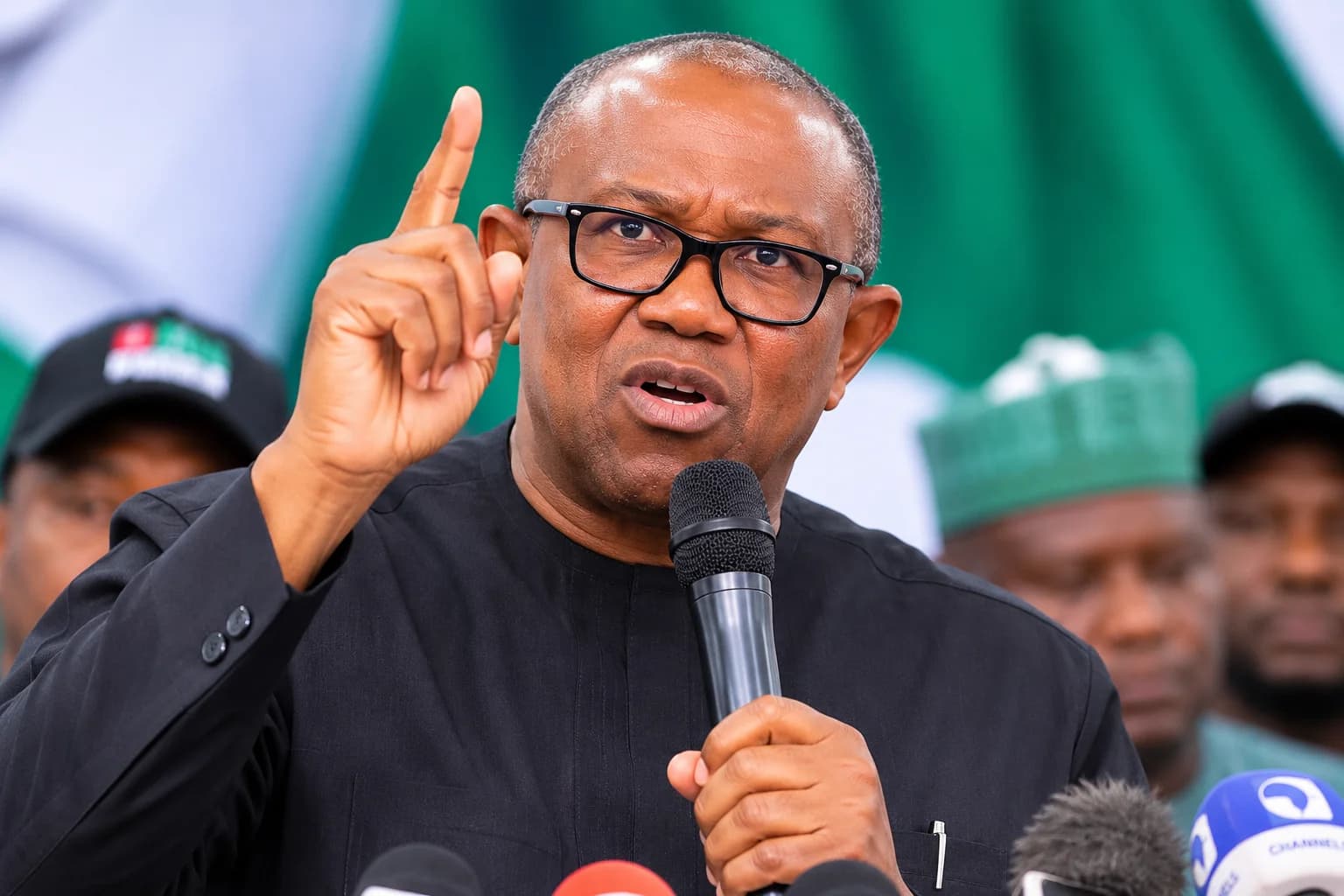
A fresh political controversy surrounding Peter Obi's record as governor of Anambra State has taken another turn after northern community leaders in the state publicly rejected allegations that the former governor discriminated against Muslims or targeted northern residents.
The intervention comes as old claims about Obi allegedly demolishing mosques and chasing northerners out of Anambra have resurfaced across social media.
Northern community representatives in Anambra say the narrative does not reflect their experience during Obi's administration.
Instead, they have pointed to what they describe as years of support for northern residents and the Muslim community.
Northern Community Leaders Reject the Allegations
The leaders reportedly described the allegations against Obi as propaganda, arguing that they do not match their experience of living and doing business in Anambra during his time in office.
Their intervention is significant because the accusations have often been framed as evidence that Obi's administration was hostile toward Muslims and northerners.
Rather than political supporters speaking on his behalf, the latest defence is coming from members of the northern community living in Anambra.
They say their own experiences should form part of the discussion.
Education and Agricultural Support
Among the initiatives cited by the northern community leaders are programmes involving free education and agricultural support.
They argue that Obi's administration did not simply tolerate northern residents but provided opportunities that benefited people across ethnic and religious lines.
Agricultural loans and other forms of support are being highlighted as examples of what they describe as an inclusive approach to governance.
The argument is essentially that if Obi's government was systematically targeting northerners or Muslims, such programmes would be difficult to reconcile with the experiences being described by the community leaders.
Hajj Sponsorship Also Enters the Debate
The northern leaders have also pointed to Hajj sponsorship as part of their defence of Obi.
They argue that support for Muslim residents extended beyond ordinary government services and included assistance connected with religious activities.
That claim is particularly relevant because the current controversy centres heavily on allegations that Obi was hostile to Islam.
If government resources were indeed used to support Muslim residents undertaking Hajj during his administration, it provides a contrasting piece of evidence that deserves consideration alongside the accusations circulating online.
The Mosque Controversy Has Been Around for Years
The latest debate is not new.
Claims that Obi demolished mosques in Anambra and pursued Hausa and Fulani residents have circulated online for several years.
In 2022, fact-checkers investigated one widely circulated claim alleging that Obi demolished a mosque and chased northerners out of the state.
The evidence presented online included photographs that were found to be unrelated to the alleged incident.
That does not mean every criticism of Obi's administration is automatically false.
It does mean that specific claims about mosque demolitions should be examined individually rather than accepted simply because they are repeated online.
Obi Has Previously Spoken About the Mosque
There is also an important piece of historical evidence in Obi's own account.
During a visit to the Muslim community in Anambra after the 2023 election, Obi discussed his relationship with Muslims in the state and said that a mosque had previously been demolished before he became governor and that his administration rebuilt it.
He also said Muslims should regard themselves as part of the wider Anambra community and assured them that they could continue living and conducting their businesses in the state.
That account directly contradicts the simplified version of the story often circulating online that Obi simply ordered the destruction of mosques because they were Muslim places of worship.
Why the Story Has Returned Now
The timing is politically significant.
Nigeria is already moving toward the 2027 presidential election, and Peter Obi remains one of the country's most prominent opposition figures.
As political competition intensifies, his record as Anambra governor is increasingly being examined by supporters and opponents.
Issues involving religion are particularly powerful in Nigerian politics because they can quickly move beyond policy disagreements and become questions about identity and trust.
That makes claims about whether a politician respected Muslims especially sensitive.
X Has Become the Main Battlefield
The latest controversy has generated competing narratives online.
Obi's supporters have been sharing statements from northern residents and older reports about his relationship with the Muslim community.
His critics, meanwhile, continue to circulate allegations concerning mosques and northern residents.
The result is a familiar Nigerian social-media battle where both sides select pieces of historical evidence that support their preferred political narrative.
The problem is that social-media posts often remove the context.
A photograph can be presented without its original date.
An allegation can be repeated without the outcome of an investigation.
And a political claim can quickly become accepted as fact simply because thousands of people have shared it.
Supporters Say His Record Was More Inclusive
Those defending Obi argue that his administration should be judged by its policies rather than isolated allegations.
They point to education, agriculture, healthcare and community support as evidence that his administration attempted to govern across ethnic and religious lines.
They also argue that Obi's interactions with Muslim communities demonstrate that his political message was not based on religious exclusion.
That argument has now received an additional boost from northern community representatives in Anambra who say they experienced his administration directly.
Critics Are Not Convinced
Obi's critics, however, are unlikely to abandon the controversy simply because northern leaders have defended him.
Some continue to argue that individual examples of assistance do not automatically settle questions about the administration's broader policies.
Others believe the resurfacing of the allegations is necessary because they want Obi's supporters to address historical controversies before he seeks the presidency again.
That means the argument is unlikely to disappear.
There Is a Larger Political Lesson
The controversy demonstrates how difficult it has become to separate historical fact from political messaging in Nigeria's increasingly digital political environment.
A politician's record can now be reduced to a short video, a photograph or a single sentence.
That creates an enormous responsibility for journalists and voters.
The question should not simply be:
"Which side does this story support?"
It should be:
"What evidence actually supports the claim?"
What Can Be Established?
At least three things are clear from the available record.
First, allegations that Obi was hostile to Muslims and demolished mosques in Anambra have circulated for years.
Second, some widely circulated visual evidence used to support those allegations has previously been shown to be unrelated to the claims.
Third, northern community leaders in Anambra are now publicly rejecting the allegations and pointing to education, agricultural assistance and Hajj-related support as evidence of a different relationship with Obi's administration.
Those facts do not require anyone to become an Obi supporter.
They simply demonstrate why the issue deserves more than social-media slogans.
The 2027 Dimension
The controversy will likely become even more significant as the 2027 election approaches.
Obi is expected to remain one of the major figures in Nigeria's opposition politics, and his record in Anambra will inevitably be examined by voters.
Supporters will highlight his achievements.
Opponents will scrutinise his shortcomings.
And issues involving religion and ethnicity are likely to remain part of the political conversation.
That makes credible evidence more important than ever.
The Bottom Line
The renewed controversy over Peter Obi's relationship with Muslims in Anambra has taken another turn after northern community leaders in the state publicly rejected allegations that he targeted Muslims, demolished mosques or marginalised northerners.
The leaders have instead pointed to free education, agricultural assistance and Hajj sponsorship as examples of support they say their communities received during Obi's tenure.
The mosque allegations themselves are not new, and previous fact-checks have found that some images circulated as evidence were unrelated to the claims.
As Nigeria moves toward another major political contest, the debate is likely to continue.
But one thing is becoming increasingly clear:
Peter Obi's record in Anambra will be fought over not only through debates about roads, schools and finances, but also through competing narratives about how his government treated people of different ethnic and religious backgrounds.
And with the 2027 election approaching, Nigerians will have to decide which version of that history is supported by evidence — and which is simply political propaganda.
Tags
EDITORIAL TEAM
About Talk Ya True Editorial Team
The Talk Ya True Editorial Team is an independent newsroom committed to factual reporting, responsible journalism and thoughtful analysis across Africa and around the world.
Related Articles
Politics
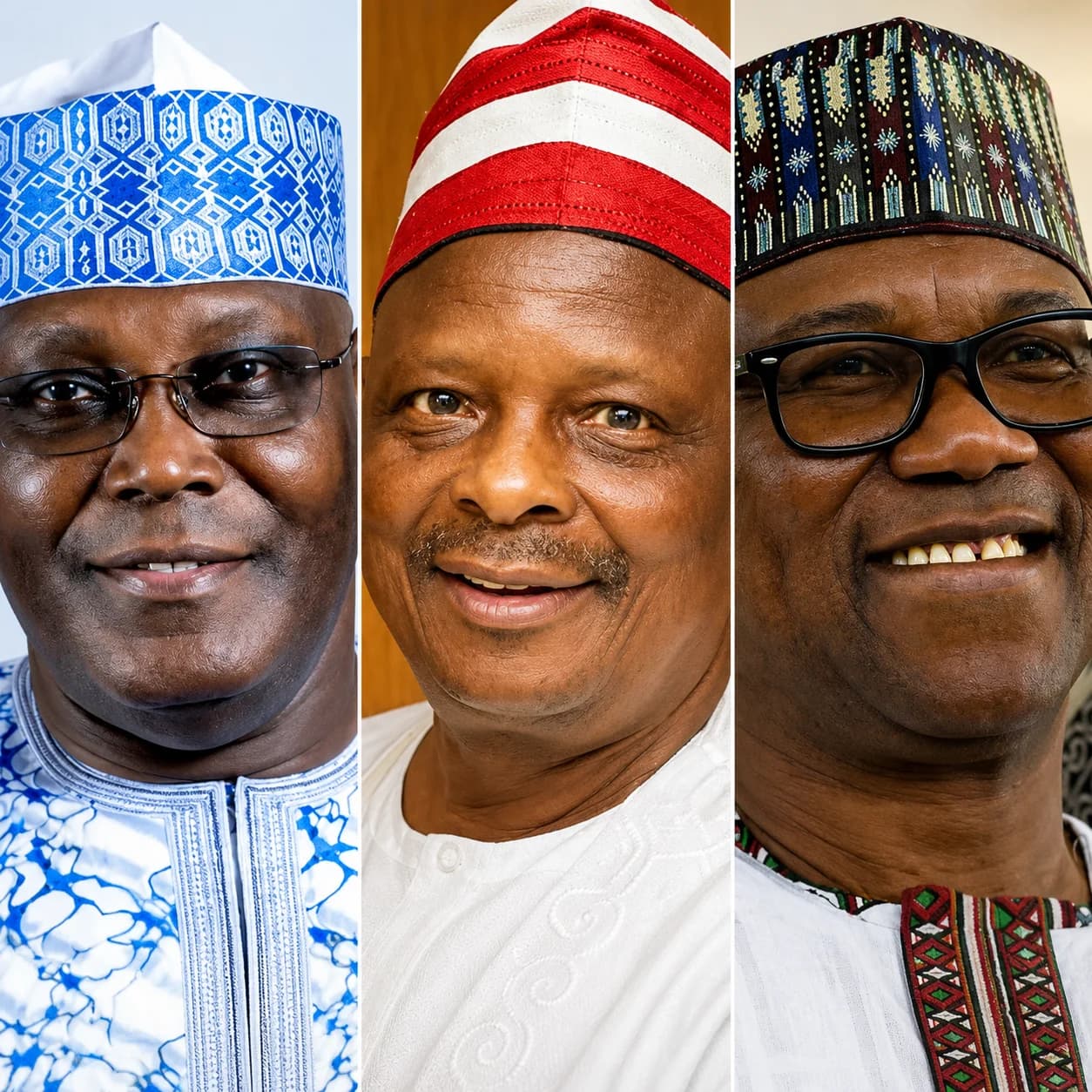
Nigeria's Opposition Searches for Common Ground as 2027 Grand Alliance Talks Gather Momentum
Politics
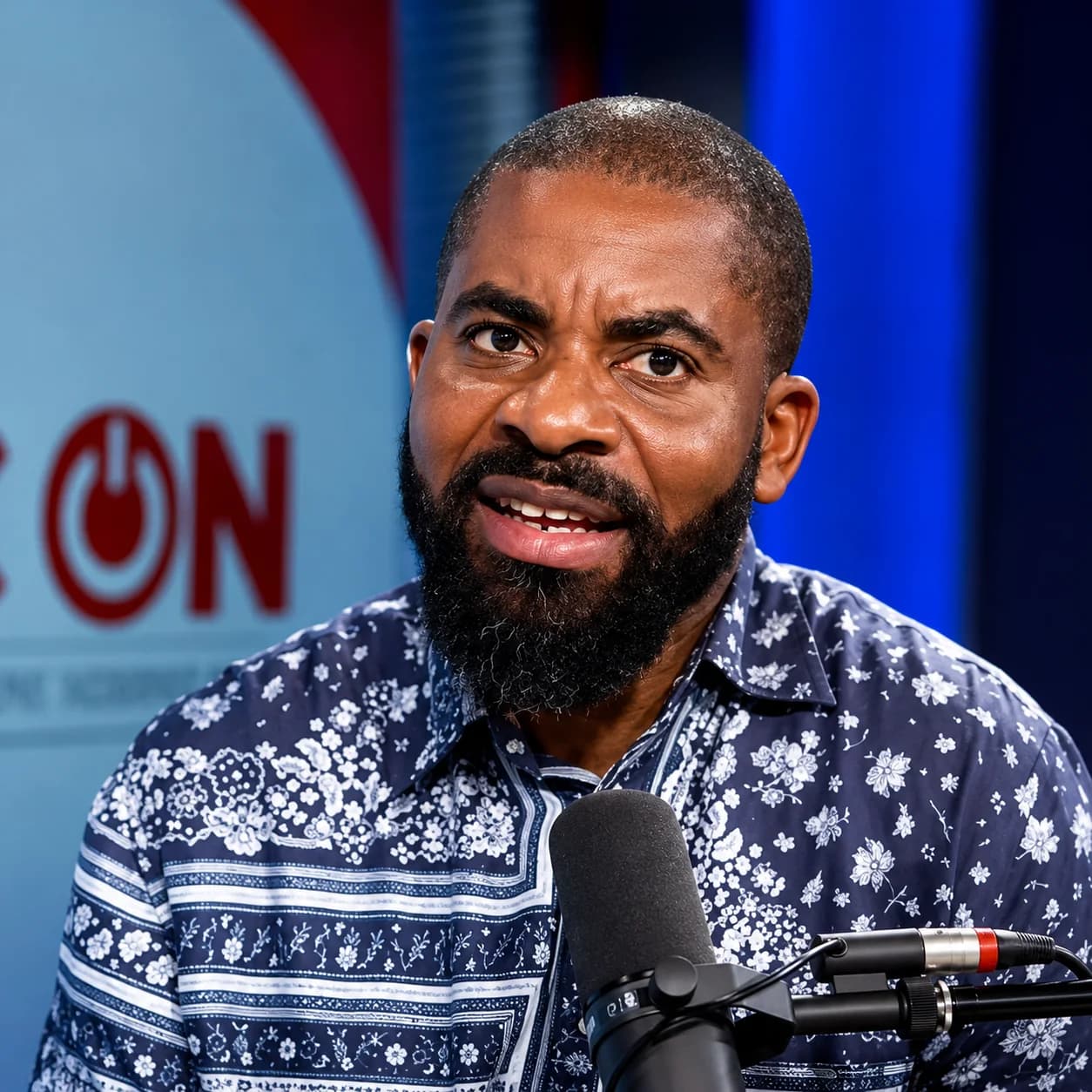
Deji Adeyanju Sparks Fresh Peter Obi Debate With Claims of Greater Activism Record
Politics
Peter Obi's Old Comments on His Son's Car Resurface, Nigerians Debate His Approach to Public Funds
Politics
Peter Obi Faces Backlash Over Comments on Military Salary Increase
Stay Informed
Get the biggest stories from Nigeria, Africa and around the world.
Free news updates. Unsubscribe anytime.
By subscribing, you agree to receive free news updates from Talk Ya True. You can unsubscribe at any time.