Nigeria
FG Deploys 40 Coastal Road Guards as Vandalism Threatens Lagos-Calabar Highway
The Federal Government has deployed 40 specially trained Coastal Road Guards to protect the Lagos-Calabar Coastal Highway from vandalism and other unlawful activities. The guards have been profiled, assigned motorcycles fitted with tracking devices and trained by the Nigeria Police Force as authorities move to protect the multi-billion-naira infrastructure.
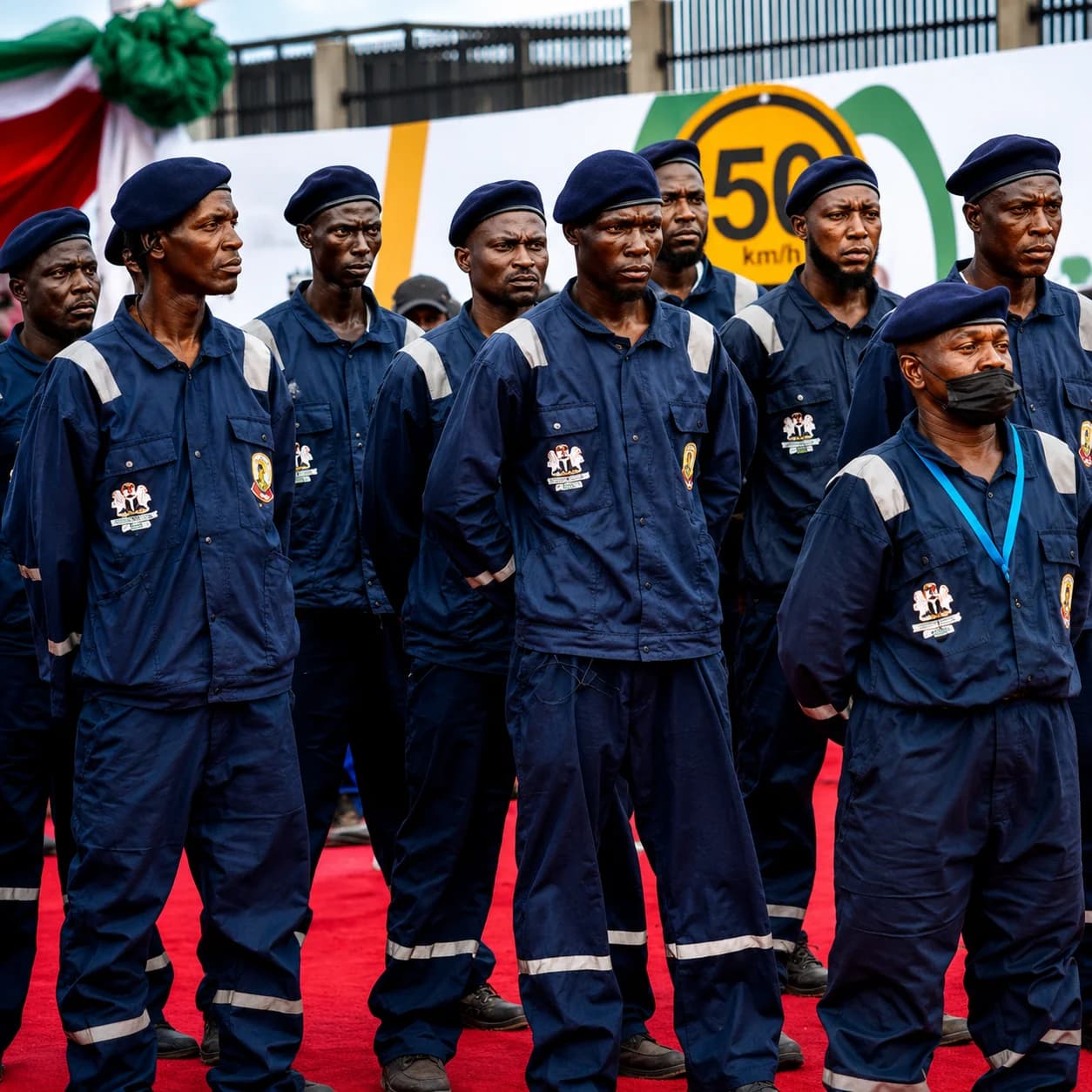
The Federal Government has introduced a new security measure to protect the Lagos-Calabar Coastal Highway, deploying a specially trained team of Coastal Road Guards to prevent vandalism and other unlawful activities along the strategic infrastructure project.
The initiative comes as authorities increase attention on the protection and continued development of the coastal highway, which is expected to provide a major transportation link between Lagos and Calabar.
According to the Federal Controller of Works in Lagos State, Olufemi Dare, 40 guards have been profiled and deployed for the protection of the highway.
Why the Federal Government Created the Guards
The government says the deployment became necessary because of repeated vandalism of facilities installed along the highway.
Large infrastructure projects can become targets for theft and damage, particularly when construction equipment, electrical installations, communication systems and other valuable components are left along developing sections of a road.
The Coastal Road Guards are therefore expected to serve as an additional layer of protection for the project.
Their responsibility includes monitoring the highway corridor and reporting suspicious activities to the relevant security authorities.
40 Guards Equipped for Patrol
The government has reportedly equipped the 40 guards with motorcycles to enable them to move along sections of the highway that may be difficult to patrol using conventional vehicles.
They have also been provided with operational equipment including:
Motorcycles
Helmets
Walkie-talkies
Flashlights
Other patrol equipment
Importantly, tracking devices have also been installed on the motorcycles.
The government says the tracking system will help monitor the movement of the equipment and ensure that the motorcycles are used strictly for official duties.
Their Guarantors Have Been Documented
The Federal Government has also reportedly documented the guarantors of the guards.
That measure provides an additional layer of accountability and makes it easier for authorities to establish responsibility if equipment is misused or if serious misconduct occurs.
Dare warned the guards to carry out their duties professionally and stressed that they would also be held accountable for unlawful conduct.
The message from the authorities is therefore clear: the guards are expected to protect the highway, but they are not above the law.
Police Training for the New Team
The Coastal Road Guards were trained by the Nigeria Police Force, giving them basic security and operational preparation before deployment.
They are not being presented as replacements for the police or other conventional security agencies.
Instead, the initiative appears designed to create a dedicated presence along the highway while allowing law-enforcement agencies to respond when more serious security incidents occur.
Why the Lagos-Calabar Highway Matters
The Lagos-Calabar Coastal Highway is one of the Federal Government's most ambitious infrastructure projects.
The planned route is approximately 700 kilometres, connecting Lagos with Calabar through several coastal states.
The government has promoted the project as a major transport and economic corridor capable of improving connectivity, supporting trade and opening up communities along Nigeria's southern coastline.
The first section has already been opened temporarily to traffic, while construction continues on other parts of the project.
Vandalism Could Become a Major Problem
The creation of the guards highlights a less glamorous challenge facing major infrastructure projects: protecting what has already been built.
A road can cost billions of naira to construct, but damage to essential infrastructure can quickly create additional repair costs and delays.
Vandalised road furniture, drainage infrastructure, lighting installations or other facilities can also compromise the safety and usefulness of completed sections.
That makes security part of the project's long-term cost.
Nigerians Are Watching the Project Closely
The Lagos-Calabar Coastal Highway has attracted enormous public interest since construction began.
Supporters see it as an important infrastructure investment that could transform transportation along Nigeria's southern corridor.
Critics, however, have questioned the project's cost, implementation and priorities, while environmental and community concerns have also surrounded sections of the development.
The deployment of guards is therefore unlikely to end public debate about the highway.
Instead, it introduces another question:
Can the government successfully protect the infrastructure while maintaining transparency over how the project is being executed?
Sunday Stakeholder Meeting Adds Fresh Attention
The Federal Ministry of Works has also scheduled a stakeholder engagement around the Lagos-Calabar Coastal Highway.
The meeting includes discussions on service lanes and secondary drainage systems, as well as the inauguration of the Coastal Road Guards and other road-repair projects in Lagos.
The Federal Government also announced a temporary closure of part of the highway on Sunday, August 9, from 10am to 4pm to allow construction works at interchanges.
That means the highway is currently receiving attention on several fronts — construction, drainage, traffic management and security.
Will the Guards Make a Difference?
The success of the initiative will ultimately depend on how effectively the guards operate.
Simply placing people on motorcycles along the highway will not eliminate vandalism.
They will need reliable communication with the police, clear areas of responsibility, adequate equipment and proper supervision.
The tracking system could also become particularly useful if authorities actually monitor the movements of the motorcycles and respond to unusual activity.
The Bigger Challenge Is Sustainability
There is also the question of what happens several years from now.
Infrastructure protection cannot depend entirely on a temporary security initiative.
As more sections of the highway become operational, the government will need a sustainable security model involving the police, local communities, road authorities and other relevant agencies.
Community involvement could be particularly important because residents living near the highway may be among the first people to notice suspicious activity.
A New Layer of Security for a Massive Project
The Coastal Road Guards represent an acknowledgement that building the highway is only part of the challenge.
The government must also protect the infrastructure from the moment it is installed until it becomes a functioning national transportation corridor.
With 40 guards now profiled, equipped and deployed, the Federal Government is hoping to prevent the project from becoming another target for infrastructure vandalism.
The Bottom Line
The Federal Government has deployed 40 Coastal Road Guards to protect the Lagos-Calabar Coastal Highway from vandalism and unlawful activities.
The guards have been trained by the police, equipped with motorcycles and communication tools, while tracking devices have been installed on their motorcycles to improve accountability.
The move comes as construction continues on the ambitious coastal highway and authorities prepare additional work on service lanes and drainage infrastructure.
The real test now is whether the new security arrangement can prevent vandalism without creating another layer of bureaucracy or abuse.
For a project expected to become one of Nigeria's most important transport corridors, protecting the road may prove almost as important as building it.
Tags
EDITORIAL TEAM
About Talk Ya True Editorial Team
The Talk Ya True Editorial Team is an independent newsroom committed to factual reporting, responsible journalism and thoughtful analysis across Africa and around the world.
Related Articles
Nigeria
Lagos Drivers and Riders Face Growing Street Extortion as Demands for Money Spark Outrage

Politics
Showunmi Praises Seyi Tinubu After City Boy Movement Visit, Highlights Inclusive Leadership
Entertainment
Travel Vlogger Sparks Debate After Heated Uber Fare Dispute in Enugu

Entertainment
Lagos Restaurant Prices Leave Traveller Stunned as Diner Compares Costs With Miami and Dubai
Stay Informed
Get the biggest stories from Nigeria, Africa and around the world.
Free news updates. Unsubscribe anytime.
By subscribing, you agree to receive free news updates from Talk Ya True. You can unsubscribe at any time.