Politics
Nigeria’s School Kidnapping Crisis Persists as Students Remain Targets of Armed Attacks
Nigeria continues to face a disturbing pattern of attacks on schools, with recent abductions adding to years of mass kidnappings that have left students, teachers and families living with fear and uncertainty.
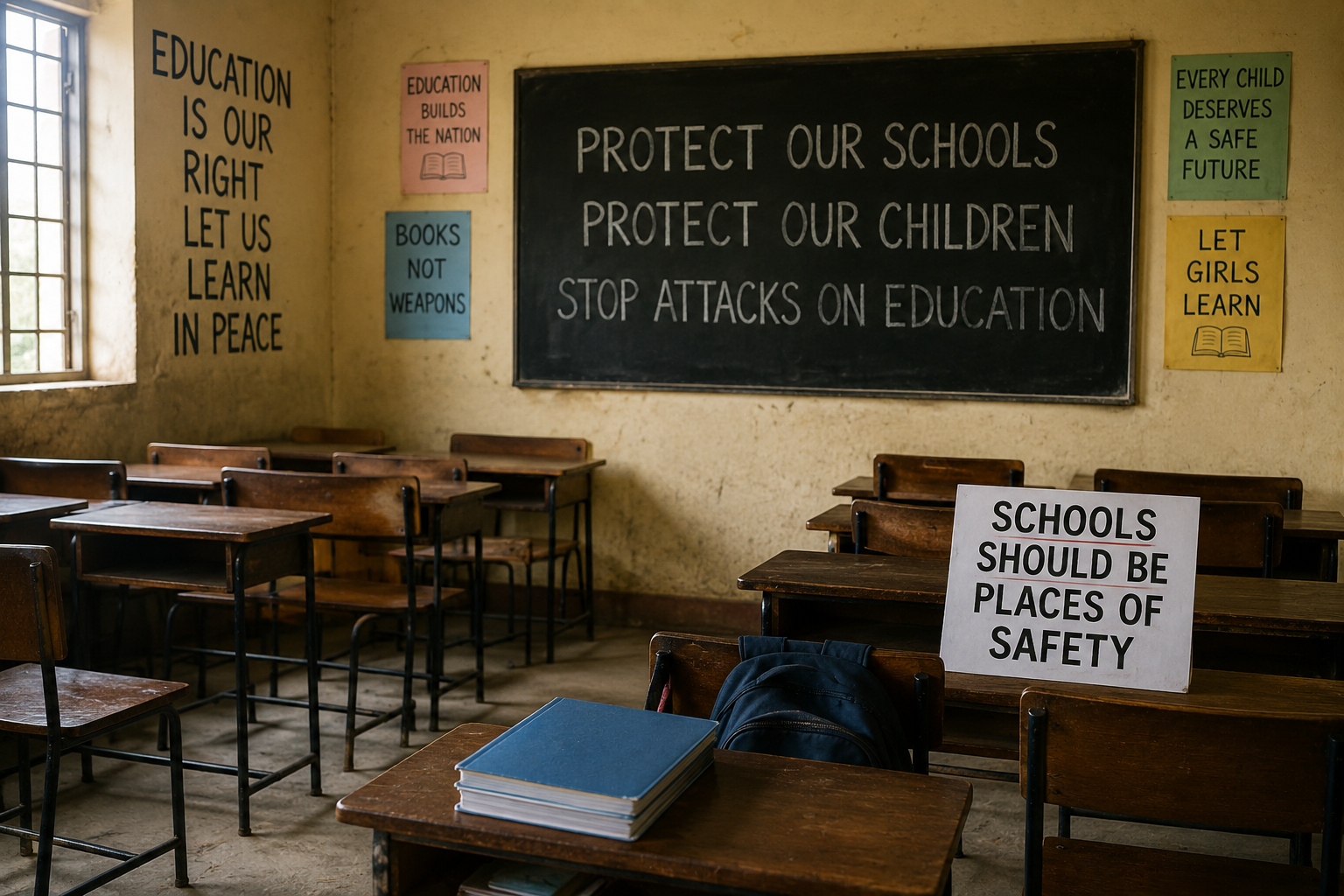
Nigeria’s long-running school kidnapping crisis remains a major security concern as armed groups continue to target students and educational institutions across different parts of the country.
The latest attack in Borno State has again drawn attention to the persistent threat facing schools. Gunmen attacked Government Day Secondary School in Lassa while students were sitting examinations. State officials said at least 36 students and one staff member remained in captivity after the attack, while eight people, including the school’s vice principal, had been rescued.
The incident is part of a wider pattern of mass school abductions that has continued in Nigeria for more than a decade.
Students Targeted While Sitting Exams
The attack in Lassa happened during an examination period, turning what should have been an ordinary school day into another painful reminder of the security challenges facing education in parts of Nigeria.
The students reported to be in captivity include both male and female pupils. Security agencies and local authorities have continued efforts to secure the release of those abducted.
No group immediately claimed responsibility for the attack. Borno State has faced years of violence involving armed extremist groups, and insecurity has repeatedly disrupted education and displaced communities across the region.
A Crisis That Has Continued for Years
Nigeria’s school kidnapping crisis gained worldwide attention in April 2014, when Boko Haram abducted 276 girls from a government secondary school in Chibok, Borno State.
The attack sparked the global Bring Back Our Girls campaign. According to a recent review of major school abductions, at least 89 of the Chibok girls remain unaccounted for.
Since then, mass kidnappings have been reported in several states, including Kaduna, Katsina, Zamfara, Niger and Kebbi.
Some victims have been rescued or released, while others have spent weeks or months in captivity. In some cases, students have died while being held.
Recent Attacks Show the Threat Remains
The Borno attack follows other major school abductions reported in recent months.
In May 2026, armed men abducted dozens of children and teachers during attacks on schools in Oyo State. Another attack in Borno that month resulted in the abduction of 42 students, according to a recent chronology of major school kidnappings in Nigeria.
The continued attacks demonstrate that the threat to education is not limited to a single incident or one part of the country.
For parents, the fear is particularly severe because sending a child to school can become a security concern in communities vulnerable to armed attacks.
Education Under Pressure
Repeated attacks on schools can have consequences beyond the immediate trauma suffered by kidnapped students and their families.
Fear of attacks can lead parents to withdraw children from school, while authorities may temporarily close schools in areas facing serious security threats.
Teachers may also become reluctant to work in vulnerable communities, further weakening access to education.
A recent global study on attacks against education found that Nigeria was among the countries with particularly severe harm to students and education staff.
Calls for Stronger School Protection
The repeated kidnappings have renewed questions about the protection of schools, particularly in communities affected by insurgency, banditry and organised kidnapping.
Security experts and education advocates have repeatedly called for better intelligence gathering, stronger emergency response systems and closer cooperation between schools, communities and security agencies.
Protecting schools will require more than responding after students have already been taken. Preventing attacks, identifying security threats early and strengthening protection around vulnerable communities remain critical.
Families Continue to Wait
Behind every kidnapping figure are families waiting for children, relatives and teachers to return home.
The latest attack in Borno State is another reminder that, despite years of security operations and public promises, Nigerian students continue to face serious risks in some parts of the country.
Ending the cycle of school kidnappings will require sustained security efforts, accountability for attackers and long-term measures that allow children to pursue their education without fear.
For the families of those still in captivity, however, the immediate priority remains simple: the safe return of their loved ones.