Politics
Primate Ayodele Warns Tinubu: Nigeria's Hardship Could Become a Political Problem
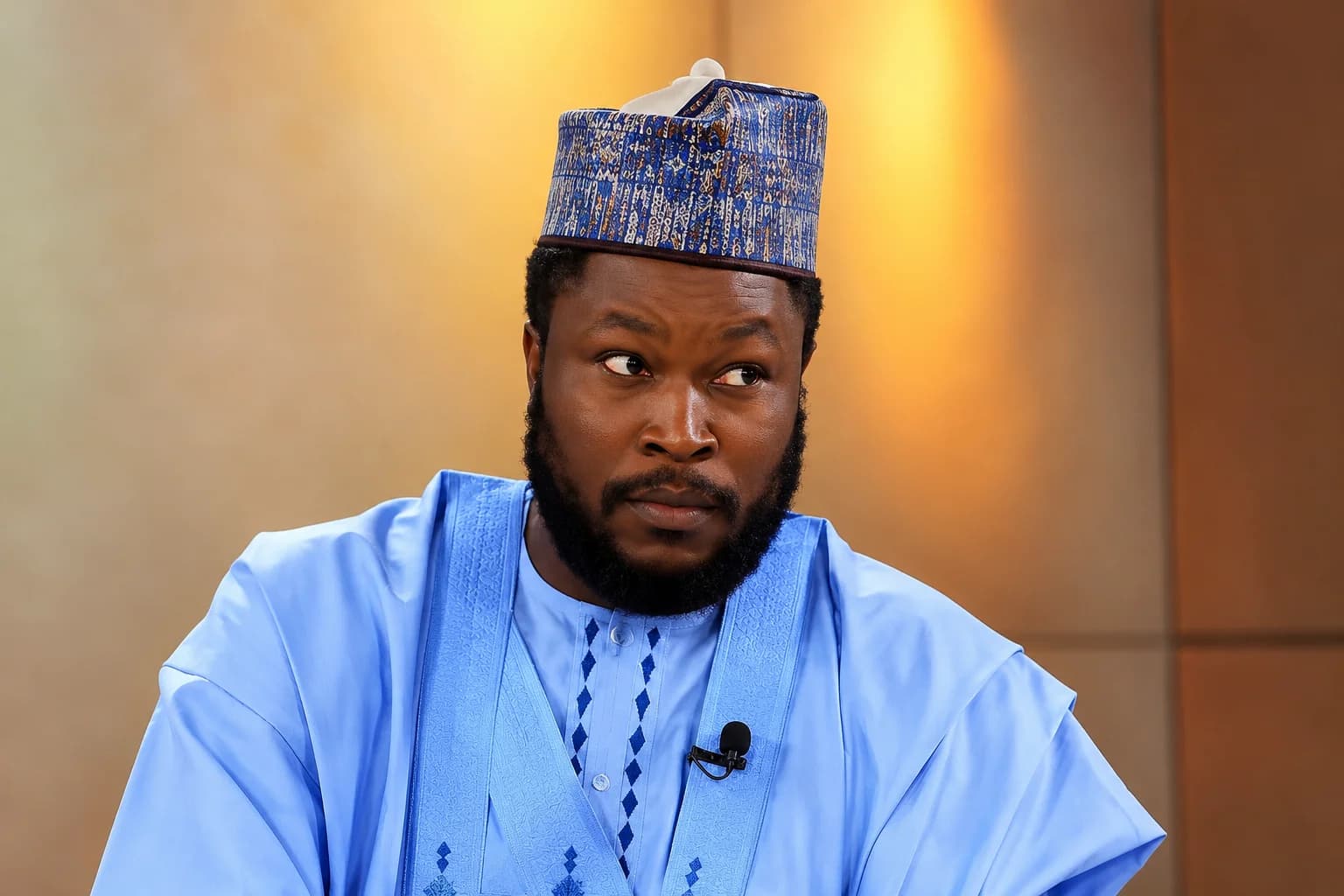
Primate Elijah Ayodele has warned President Bola Tinubu to take Nigerians' growing hardship seriously, urging the Federal Government to address rising public dissatisfaction before it becomes a major political challenge ahead of the 2027 election.
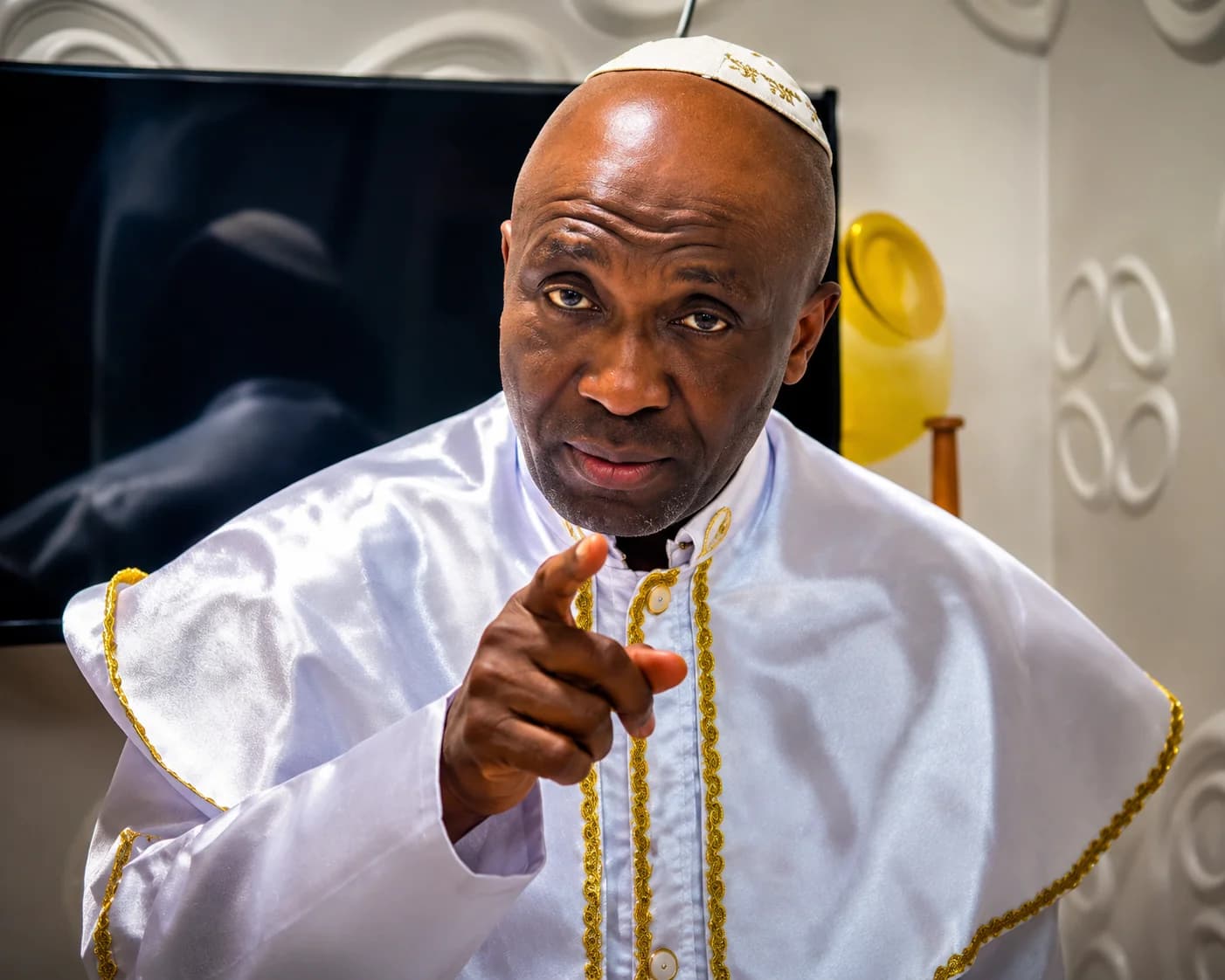
Primate Elijah Ayodele has issued another warning to President Bola Tinubu over the growing dissatisfaction among Nigerians, urging the President to pay attention to concerns being raised by religious leaders about the country's economic and social conditions.
The latest warning comes amid renewed debate over the impact of the Federal Government's economic reforms and whether Nigerians are beginning to see enough improvement in their everyday lives.
Ayodele's intervention also follows recent comments by Cardinal John Onaiyekan, who warned that widespread dissatisfaction could eventually have consequences at the ballot box.
Ayodele Urges Tinubu to Listen
The leader of the INRI Evangelical Spiritual Church urged President Tinubu to take the concerns of Cardinal Onaiyekan seriously and "do the right thing" for Nigerians.
According to reports, Ayodele said the President should not ignore growing complaints from citizens who are struggling with economic pressures.
His warning comes as political attention increasingly turns toward the 2027 general election, when Tinubu is expected to seek another term in office.
Hardship Remains a Major Political Issue
Economic hardship has remained one of the biggest challenges confronting the Tinubu administration since it introduced major reforms, including the removal of the petrol subsidy and changes to the foreign-exchange system.
The reforms were presented by the government as necessary measures to stabilise Nigeria's economy and create the foundation for long-term growth.
However, the transition has placed significant pressure on households and businesses, particularly through higher living costs.
Ayodele has repeatedly warned the Federal Government that economic hardship could become increasingly difficult to manage if the concerns of ordinary Nigerians are not addressed.
Religious Leaders Increasingly Speaking Out
The latest intervention is part of a wider pattern of religious leaders commenting on the direction of the country.
Cardinal Onaiyekan has recently raised concerns about the condition of Nigerians and warned that persistent public dissatisfaction could eventually influence political decisions.
Ayodele's response effectively amplifies that warning, urging the President to listen before frustration becomes a bigger political problem.
Ayodele's Earlier Warnings
This is not the first time Ayodele has warned Tinubu about hardship.
In previous statements, the cleric predicted continued economic difficulties and urged the government to take measures to reduce the suffering of Nigerians.
In 2024, he warned that Tinubu's first term could be dominated by economic hardship and expressed doubts about whether the administration would quickly find solutions to the country's problems.
More recently, Ayodele has also linked the economic situation to Tinubu's political prospects ahead of 2027.
In July 2026, he warned that Tinubu and the APC could face a difficult battle to retain power at the centre, arguing that the administration would need to make strategic interventions quickly.
The 2027 Question
With the next presidential election approaching, economic conditions are likely to become an increasingly important part of the political debate.
For the Tinubu administration, the challenge is not simply convincing Nigerians that reforms are working on paper.
The bigger question is whether ordinary citizens will actually feel an improvement in their purchasing power, income, employment opportunities, security and standard of living before they return to the polls.
That is where warnings from religious leaders such as Ayodele and Onaiyekan could become politically significant.
Government's Reforms Under Scrutiny
The Federal Government has consistently defended its economic policies, arguing that difficult reforms were necessary to correct structural weaknesses that had accumulated over many years.
Supporters of the administration point to improving macroeconomic indicators and increased government revenue as signs that the reforms are beginning to produce results.
Critics, however, argue that economic recovery means little to citizens who continue to struggle with the cost of food, transportation, housing and other necessities.
The disagreement over these two narratives is likely to remain central to Nigeria's political conversation.
The Bottom Line
Primate Elijah Ayodele's latest warning adds another voice to the growing conversation about Nigeria's economic hardship and the political consequences of public dissatisfaction.
While his statements are prophetic assessments rather than economic forecasts, they reflect an issue that cannot easily be ignored: how Nigerians feel about the economy could become one of the most important factors shaping the 2027 election.
For President Tinubu, the challenge is increasingly clear — whether the government's economic reforms can translate into tangible relief for ordinary Nigerians before economic frustration becomes an even bigger political force.
EDITORIAL TEAM
About Talk Ya True Editorial Team
The Talk Ya True Editorial Team is an independent newsroom committed to factual reporting, responsible journalism and thoughtful analysis across Africa and around the world.
Related Articles
Stay Informed
Get the biggest stories from Nigeria, Africa and around the world.
Free news updates. Unsubscribe anytime.
By subscribing, you agree to receive free news updates from Talk Ya True. You can unsubscribe at any time.