Africa
Foreign-Owned Shops Looted as Anti-Immigration Tensions Escalate in Durban
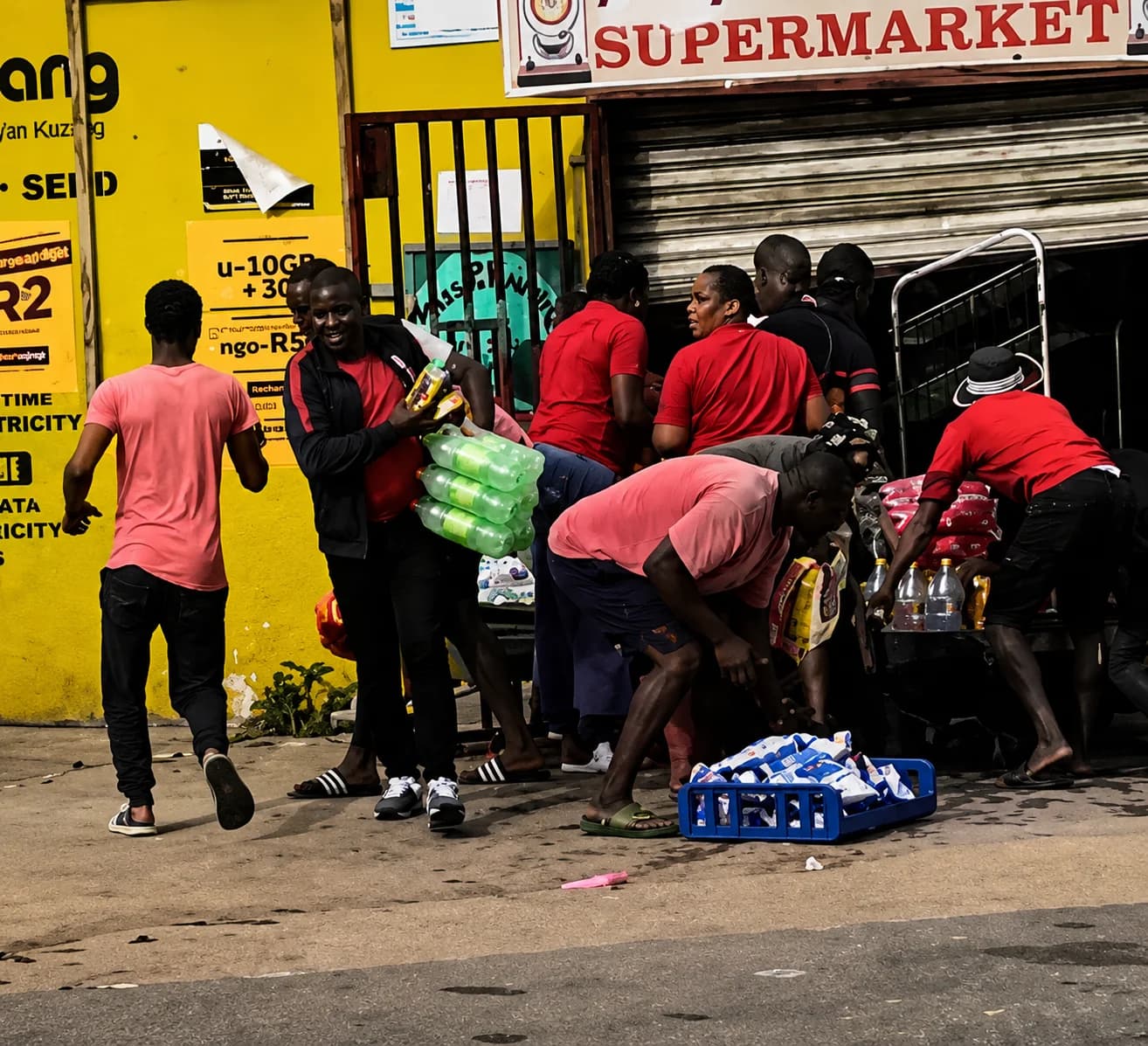
Tensions over immigration in South Africa have taken a violent turn in parts of Durban, with foreign-owned shops targeted during a wave of anti-immigration unrest. Business owners have been left counting losses after shops were ransacked, while concerns continue to grow over the safety of migrants living and working in the country.
Foreign-Owned Shops Targeted
Several foreign-owned businesses in and around Durban were looted following anti-immigration demonstrations that took place across South Africa.
According to local reports, shops in Mariannridge, Hammersdale, Umlazi and Clermont were among those targeted.
In Mariannridge alone, at least eight foreign-owned spaza shops were reportedly looted. Residents told Eyewitness News that the attacks appeared to specifically target foreign-owned businesses, with nearby locally owned shops left untouched.
The development has intensified fears among migrant traders who depend on small businesses for their livelihoods.
Businesses Left Counting the Cost
Foreign business owners in Durban are now assessing the damage caused by the looting.
One business owner said his supermarket, which reportedly employs 19 South Africans, lost more than R1 million worth of stock during the attacks.
The losses have raised questions about who ultimately bears the cost when businesses are targeted during periods of political and social unrest.
For many migrant entrepreneurs, their shops represent years of investment and their primary source of income.
Anti-Immigration Anger Fuels Tension
The unrest is connected to growing opposition to undocumented immigration in South Africa.
Anti-immigration groups have accused undocumented foreigners of taking jobs, operating businesses illegally and contributing to crime and other social problems.
The issue has become particularly sensitive in KwaZulu-Natal, where tensions between some local communities and migrant populations have continued to rise.
However, authorities and rights organisations have repeatedly stressed that criminality and immigration status should be dealt with through the law rather than through attacks on individuals or businesses.
Not All Foreigners Targeted Are Undocumented
One of the most important aspects of the unfolding crisis is the distinction between undocumented migrants and foreigners who are legally resident in South Africa.
Reports from Durban and other parts of the country have documented concerns from migrants who say they fear being targeted simply because they are foreign nationals.
Reuters previously reported that migrants in Durban were living under heightened anxiety amid demonstrations calling for foreigners to leave South Africa.
That distinction has become central to the debate because a person's nationality does not automatically determine their immigration status.
Protests Spread Beyond Durban
The unrest has not been limited to Durban.
Anti-immigration demonstrations have taken place in different parts of South Africa, with thousands of people participating in protests demanding action against undocumented immigration.
The June 30 demonstrations were largely peaceful in many areas, but there were isolated incidents of looting and attempted looting.
KwaZulu-Natal has remained one of the areas where tensions have been particularly visible.
On August 5, three foreign nationals were reportedly injured when an anti-migrant protest in the province turned violent, according to police.
Amnesty International Raises Alarm
The latest developments have also attracted concern from human-rights organisations.
Amnesty International has warned about vigilante groups targeting migrants, business owners and communities, highlighting the danger posed by attacks carried out outside the formal justice system.
The concern is that legitimate frustration over immigration enforcement could evolve into broader xenophobic violence against African migrants and other foreign nationals.
A Growing Nigeria-South Africa Concern
The situation is particularly sensitive for Nigerians because South Africa remains home to a significant Nigerian community.
Previous waves of xenophobic violence have repeatedly strained relations between Nigeria and South Africa, with attacks on Nigerian businesses and nationals generating diplomatic tensions between the two countries.
The current unrest has therefore attracted attention beyond South Africa, particularly among Nigerians who have relatives, businesses or friends living in the country.
The Bigger Question
South Africa's immigration debate is not simply about foreigners.
At its heart are deeper problems involving unemployment, poverty, crime, weak border enforcement and competition for economic opportunities.
South Africans demanding stronger immigration controls say the government has failed to manage its borders and enforce its own laws effectively.
But critics argue that targeting migrants and destroying their businesses cannot solve those underlying problems.
Instead, they warn that looting and xenophobic attacks could further damage local economies while creating new victims among people who have built businesses and communities in South Africa.
The Bottom Line
The looting of foreign-owned shops in Durban has transformed South Africa's immigration debate into a serious public-safety issue.
While concerns about undocumented immigration and enforcement remain legitimate matters for government action, attacks on businesses and individuals cannot be treated as a substitute for the law.
For migrant business owners, the immediate concern is much more personal: their shops, livelihoods and safety are now caught in the middle of a rapidly escalating national debate over who belongs in South Africa.
And as tensions continue, the biggest question is whether authorities can restore order before the unrest develops into another major wave of xenophobic violence.
Tags
EDITORIAL TEAM
About Talk Ya True Editorial Team
The Talk Ya True Editorial Team is an independent newsroom committed to factual reporting, responsible journalism and thoughtful analysis across Africa and around the world.
Related Articles

Politics
Primate Ayodele Warns Tinubu: Nigeria's Hardship Could Become a Political Problem

Nigeria
Lagos Arrests 27 Suspects Over Alleged Vandalism of New Festac-Alakija Bridge

Nigeria
Old Video of Rotting Naira Notes Sparks Fresh Outrage on X, Revives Debate Over Public Funds
Politics
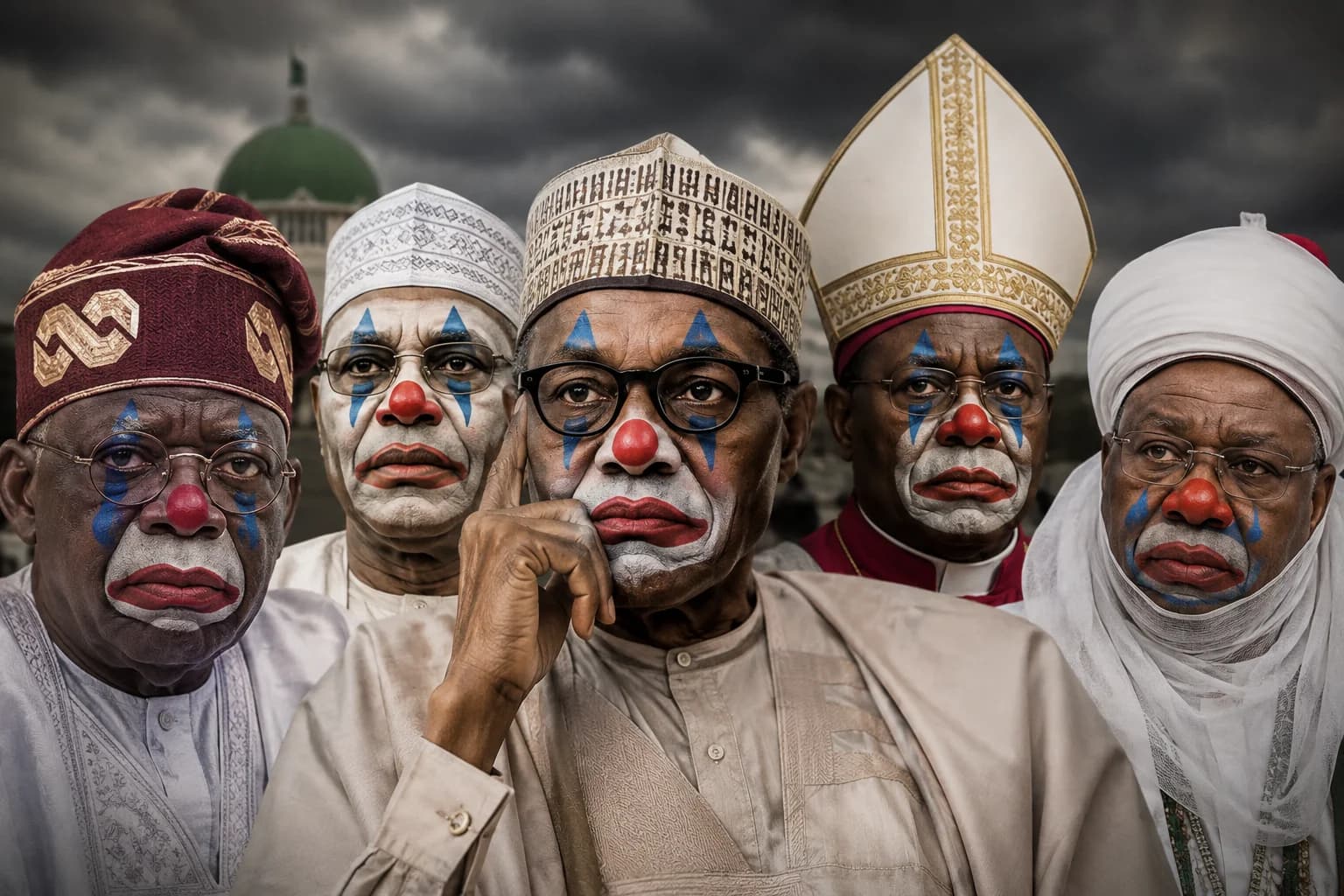
AI-Edited Images Mock Nigeria's Traditional and Religious Leaders, Spark Political Backlash
Stay Informed
Get the biggest stories from Nigeria, Africa and around the world.
Free news updates. Unsubscribe anytime.
By subscribing, you agree to receive free news updates from Talk Ya True. You can unsubscribe at any time.