Politics
“I Might Not Be Alive Soon”: Peter Obi Alleges Threat to His Life Amid Rising 2027 Political Tension
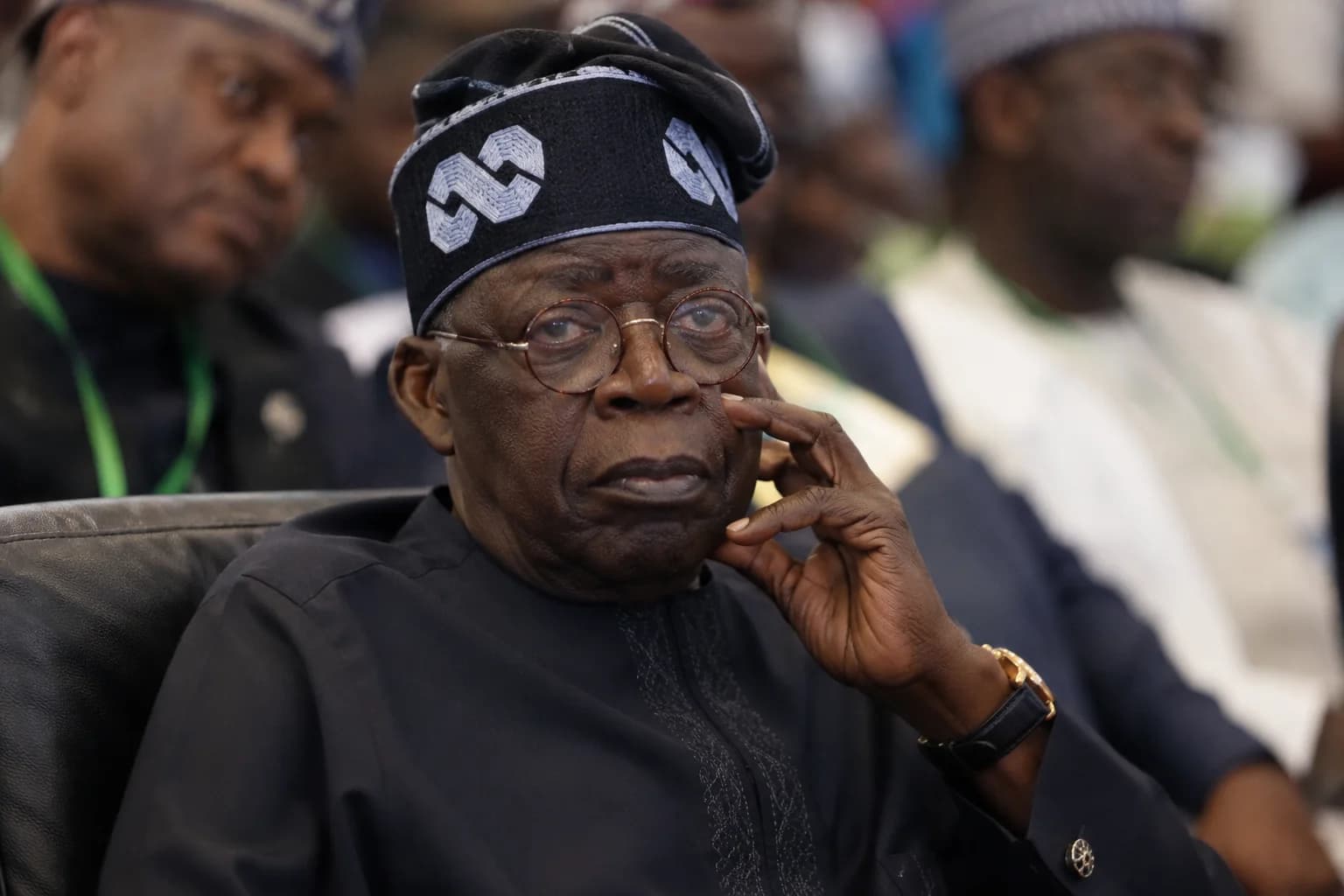
Peter Obi has raised alarm over what he describes as sustained political intimidation and threats to his life, saying the pressure against him has gone beyond ordinary political disagreement. His claims have triggered calls for an investigation and renewed debate about the safety of opposition figures as Nigeria moves closer to the 2027 general elections.

Peter Obi has raised a disturbing alarm over his personal safety, saying the political pressure surrounding him has reached a point where he fears he may not be alive to participate in Nigeria’s 2027 general elections.
The former presidential candidate made the remarks while discussing the personal and political consequences of his continued opposition activities.
Obi alleged that the government was deliberately frustrating his businesses and activities and suggested that the pressure against him had gone beyond ordinary political competition.
His comments have immediately become a major political issue.
A presidential contender saying he fears he may not live to see the next election is not an ordinary campaign statement.
It is an allegation that demands attention, careful investigation and a clear response from the institutions responsible for protecting citizens and safeguarding Nigeria’s democratic process.
At the same time, Obi’s claims must be treated accurately.
He has made serious allegations about threats and intimidation, but publicly available reporting has not established evidence of a specific assassination plot. The responsibility of the authorities should therefore be to investigate the allegations rather than allow speculation and political accusations to replace facts.
“The Way They’re Going, I Might Not Even Be Alive Soon”
Obi’s comments were unusually personal.
He alleged that the government was deliberately frustrating things he does for a living and claimed that the pressure against him had become personal.
“The way they’re going now, I might not even be alive soon,” Obi said in remarks reported on Wednesday.
The statement immediately attracted attention because of Obi’s position in Nigerian politics.
He emerged as one of the central figures in the 2023 presidential election and remains an influential opposition voice as political alignments take shape ahead of 2027.
His comments were made against the background of increasingly heated exchanges between the opposition and the government, with the Presidency recently responding sharply to Obi’s criticism of President Bola Tinubu and his call for the president to resign.
Political disagreement is normal in a democracy.
Claims of threats to an opposition leader’s life are not.
Supporters Demand Investigation
The controversy has already prompted calls for official action.
The NDC-Peter Obi Support Network has called on the Federal Government to investigate Obi’s allegations of intimidation and harassment, warning that failure to address such concerns could undermine democratic participation ahead of the 2027 elections.
Another pro-Obi group, the OK Movement, has argued that political participation must be protected rather than hindered, adding to demands for a political environment in which opposition figures can operate freely.
The government and security agencies now face a simple but important responsibility.
Obi’s allegations should be investigated.
If there is evidence of a genuine threat, those responsible should be identified and prosecuted.
If no evidence supports parts of the allegations, the public should also be told clearly.
Silence is unlikely to help.
In a highly polarised political environment, unanswered allegations can quickly become rumours, conspiracy theories and sources of greater tension.
Nigeria Must Not Treat This as Ordinary Political Drama
Nigeria has a habit of turning almost every serious issue into a partisan argument.
Supporters of one political party immediately defend their side.
Supporters of another immediately assume the worst.
But a claim involving the possible safety of a major opposition figure should be treated differently.
The security of political candidates is not only about the individuals involved.
It is about the integrity of the democratic process.
An election cannot be considered genuinely competitive if candidates or their supporters believe political participation could expose them to intimidation or violence.
The government does not have to agree with Obi.
The ruling party does not have to accept his political arguments.
The Presidency has every right to challenge his policies and criticise his statements.
But the Nigerian state has a responsibility to ensure that he, like every other political figure and citizen, can participate in lawful political activity without fear.
That principle should apply equally to every party.
The Political Temperature Is Rising Ahead of 2027
Nigeria is already moving deeper into the politics of 2027.
Parties are reorganising.
Coalitions are forming.
Political alliances are changing.
Presidential ambitions are becoming clearer.
As the contest intensifies, political language is also becoming more aggressive.
That is dangerous territory.
Nigeria’s leaders should understand that words spoken by powerful people can have consequences beyond political television programmes and social media arguments.
Supporters listen.
Political groups react.
Rumours spread.
In a country already dealing with serious security challenges, irresponsible political rhetoric can create an environment where threats become harder to separate from ordinary political confrontation.
The approach to the 2027 election must not become a period in which intimidation is normalised.
Candidates should compete with ideas.
Governments should defend their records.
Opposition parties should present alternatives.
Citizens should decide.
That is how democracy is supposed to work.
Obi Says Pressure Extends Beyond Politics
One of the most important parts of Obi’s allegation is his claim that the pressure he faces is not limited to political disagreement.
He has alleged deliberate frustration of his economic activities and personal interests.
These allegations also require scrutiny.
The use of state institutions to target the lawful businesses or livelihoods of political opponents would represent a serious abuse of power if proven.
But proof matters.
Nigeria’s institutions must not be condemned solely on the basis of political accusation, just as allegations by a major opposition figure should not be dismissed without examination.
The answer is transparency.
If businesses connected to a politician are subject to regulatory action, authorities should be able to explain the legal basis for such action.
If taxes are owed, show the assessments.
If regulations have been violated, state the violations.
If there are investigations, follow due process.
Transparency protects institutions from accusations of political persecution and protects citizens from arbitrary power.
Opposition Politics Must Not Become a Dangerous Profession
Nigeria cannot build a strong democracy if opposition politics is treated as an act of hostility against the state.
Governments come and go.
Political parties rise and fall.
A politician in power today may be in opposition tomorrow.
That reality should encourage every administration to protect democratic space.
The standard should be simple: political disagreement is not a security offence.
Criticism of government is not treason.
Calling for political change through elections is not an attack on the country.
And opposition leaders should not have to prove loyalty to the ruling party before enjoying the protection of the law.
At the same time, opposition politicians also carry responsibility.
Serious allegations should be presented responsibly.
Claims involving threats to life can increase political tension and should be supported with information given to appropriate security authorities wherever possible.
The public deserves both protection and truth.
Security Agencies Should Act Before Rumours Take Over
The most damaging response to Obi’s statement would be institutional silence.
Nigeria’s security agencies should engage with him and assess the nature of the alleged threats.
Has Obi received specific threats?
Has suspicious activity been reported?
Have security incidents occurred around him?
Has he submitted information to law enforcement agencies?
Are there identifiable individuals or groups connected to any threat?
These are matters for professional investigation.
The objective should not be to protect one politician because of his popularity.
It should be to protect the political process.
Security agencies should also avoid turning such an investigation into another political spectacle.
The public does not need dramatic raids, partisan press conferences or competing accusations.
It needs confidence that the law is functioning.
The Government Should Welcome an Independent Investigation
If the government believes Obi’s allegations are false, an independent and credible investigation should not be feared.
It should be welcomed.
A transparent investigation could protect the government from accusations that are unsupported by evidence.
It could also identify genuine threats if they exist.
Either outcome is better than uncertainty.
The danger of allowing the matter to remain unresolved is that every future security incident involving Obi could immediately be interpreted through the lens of his warning.
That would deepen political distrust.
Nigeria already has enough conspiracy theories.
Its institutions should produce facts.
Peter Obi’s Safety Is Bigger Than Peter Obi
This story should not be reduced to whether someone supports or dislikes Peter Obi.
A democracy is tested by how governments treat opponents, not supporters.
The protection of an opposition figure does not mean endorsement of his politics.
It means endorsement of the democratic system.
Today, the concern involves Obi.
Tomorrow, it could involve another presidential candidate, governor, journalist, activist or ruling-party politician who finds himself outside power.
Institutions become strong when their protection does not depend on political affiliation.
That is the standard Nigeria should pursue.
A Dangerous Moment for Nigerian Politics
Obi’s warning arrives at a sensitive time.
Political competition is intensifying.
Economic hardship remains a major source of public frustration.
Security concerns continue across several parts of the country.
Trust in institutions remains fragile.
Under these conditions, claims of threats against major political figures can quickly become destabilising.
That is why the matter requires maturity from all sides.
Obi’s supporters should demand investigation without spreading unverified claims.
Government supporters should not dismiss concerns about personal safety merely because they disagree with his politics.
Security agencies should investigate without political bias.
Political leaders should lower the temperature of public debate.
Nigeria’s democracy is stronger when political opponents can confront one another at the ballot box rather than through fear.
Nigerians Deserve Answers, Not Speculation
Peter Obi has made an extraordinary allegation.
He has suggested that the pressure against him is so serious that he may not be alive to contest the next election.
That statement cannot simply be treated as another trending political quote.
It deserves answers.
Are there specific threats?
Have they been reported?
Who is responsible?
What protection is being provided?
Are any state institutions being used to frustrate his lawful activities?
These questions should be answered through evidence.
Nigeria does not need another mystery at the centre of its political life.
The country needs institutions capable of investigating allegations regardless of who makes them and regardless of who may be accused.
Peter Obi has raised the alarm.
The responsibility now lies with the relevant authorities to establish the truth.
Because as Nigeria approaches another major election, one principle must remain beyond political argument:
No candidate should fear death for seeking office.
No citizen should be threatened for supporting an opposition movement.
And no government should allow serious allegations involving the safety of a major political opponent to remain unanswered.
Nigeria’s 2027 election should be decided by voters.
Nothing else.
Stay Informed
Get the biggest stories from Nigeria, Africa and around the world.
Free news updates. Unsubscribe anytime.
By subscribing, you agree to receive free news updates from Talk Ya True. You can unsubscribe at any time.