Opinion
Nigeria Cannot Fight Hunger While Farmers Are Afraid to Enter Their Farms
Nigeria’s food crisis cannot be solved by agricultural policies, fertiliser distribution and food imports alone. Until farmers can go to their farms without fear of being killed, kidnapped or driven from their communities, the country will continue to struggle with hunger and rising food prices.
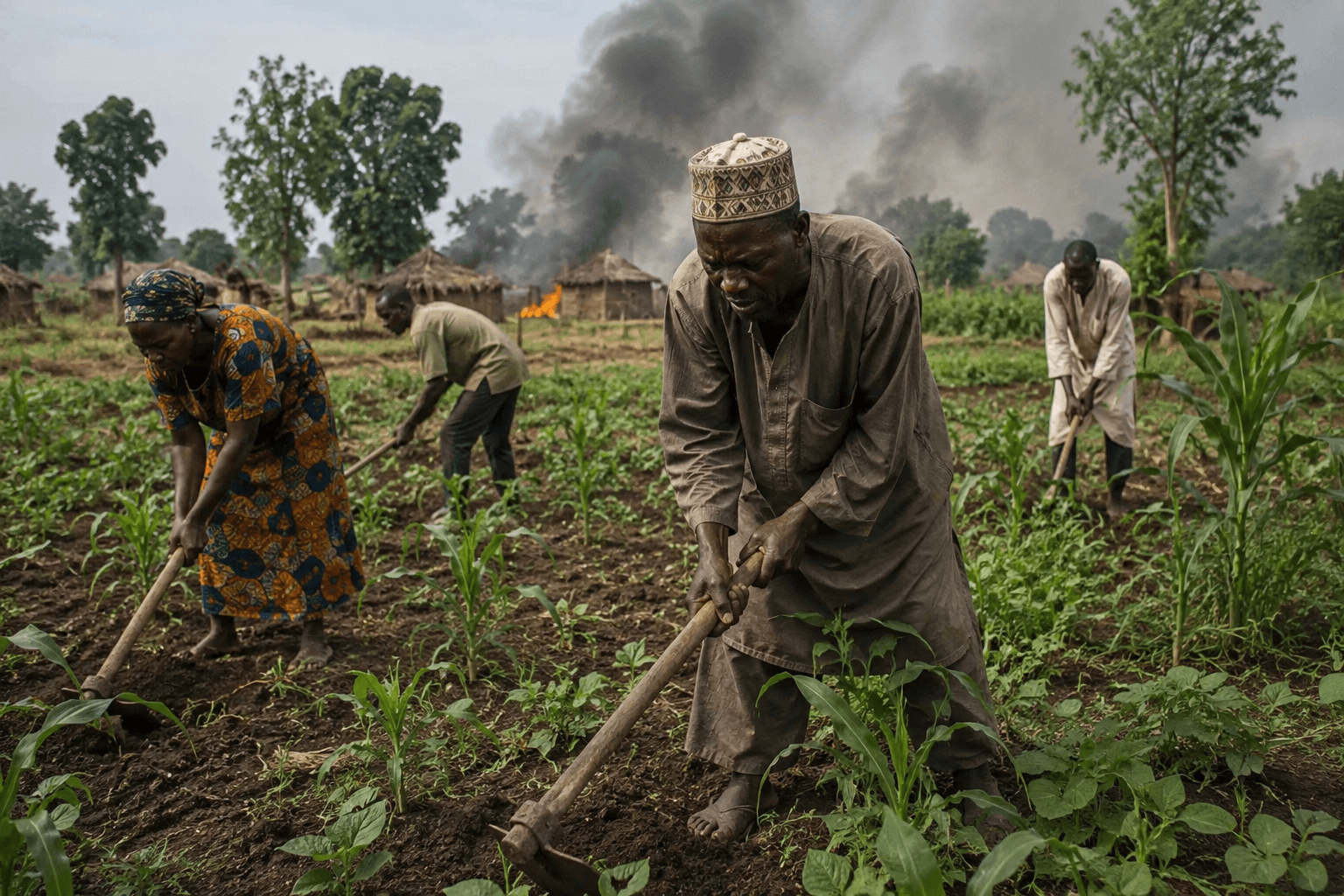
Nigeria has spent years discussing food insecurity as though it were mainly an agricultural problem.
Whenever food prices rise, the conversation quickly turns to fertiliser, improved seedlings, mechanised farming, irrigation, food imports and government intervention programmes. These things matter. But there is a more basic question we are still failing to answer:
Who will produce the food if the farmer is afraid to go to the farm?
That question should trouble every Nigerian.
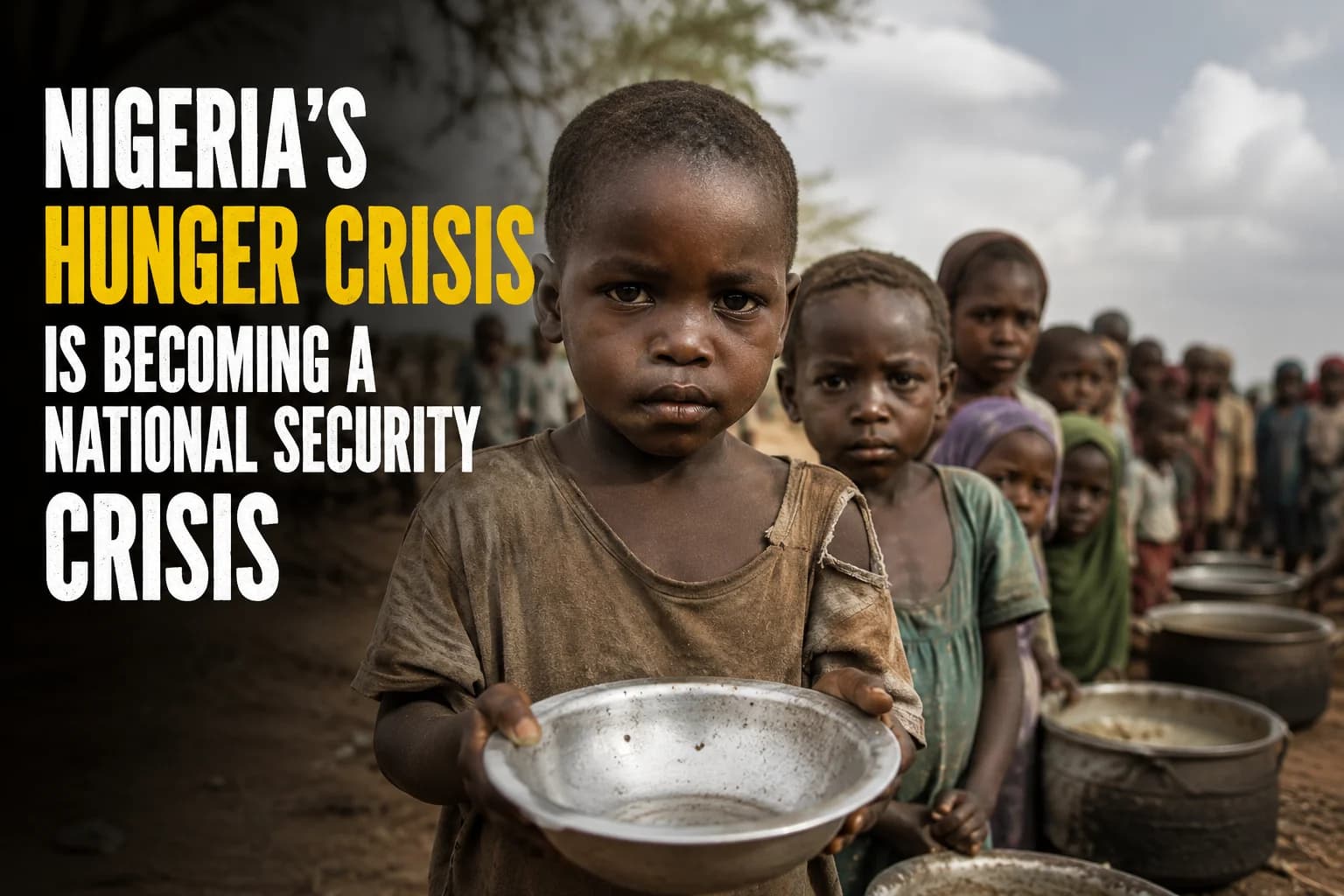
Across parts of the country, particularly in conflict-affected areas of the north, insecurity is no longer simply taking lives. It is attacking the country's ability to feed itself.
The World Food Programme recently warned that more than 17 million people across nine conflict-affected states in northern Nigeria are facing acute food insecurity. The agency said violence has displaced communities, kept farmers away from their fields and restricted humanitarian access.
Those numbers should force Nigeria to rethink the way it talks about both security and hunger.
A Farm Abandoned Today Becomes an Empty Market Tomorrow
When armed men attack a farming community, the consequences do not end with the terrible loss of life.
The farmer who survives may abandon his land.
His neighbour may decide that planting next season is too dangerous.
A family that once produced food may become dependent on assistance.
A trader who bought produce from that community loses a supplier. A transporter loses business. The quantity of food reaching the market falls, while demand remains.
Eventually, the effect reaches families hundreds of kilometres away from where the attack happened.
This is why Nigerians living in Lagos, Abuja, Port Harcourt or other urban centres should not see attacks on remote farming communities as distant rural tragedies. The insecurity of a farmer in Kaduna, Borno, Benue, Niger or Zamfara can eventually appear in an urban household as a more expensive bag of rice, a costlier basket of tomatoes or another meal the family can no longer afford.
The road between insecurity and hunger may be long, but it leads to the same market.
We Cannot Ask Farmers to Be Brave on Behalf of the Nation
There is something deeply unfair about expecting ordinary farmers to continue producing food in places where they do not feel protected.
Farming already involves enormous risks. Farmers face unpredictable weather, expensive inputs, poor storage facilities, difficult access to credit and fluctuating market prices.
A farmer should not have to add kidnapping or death to that list.
We often praise farmers as the backbone of the nation, but praise without protection is not enough. A country cannot tell people that agriculture is essential to national development while leaving farming communities to calculate whether planting crops is worth risking their lives.
Security for farming communities must be treated as part of agricultural policy.
Not as a separate conversation.
Not as something discussed only after another attack.
And certainly not as an issue that disappears from public attention a few days after the headlines move on.
Food Security Begins With Physical Security
Nigeria has launched numerous agricultural initiatives over the years. Governments have talked about food self-sufficiency, agricultural transformation and reducing dependence on imports.
But no agricultural programme can reach its full potential where insecurity controls access to farmland.
A government can distribute fertiliser, but fertiliser cannot defeat armed groups.
A farmer can receive a loan, but a loan is useless if the borrower cannot safely cultivate the land.
Improved seedlings cannot help a community that has been displaced.
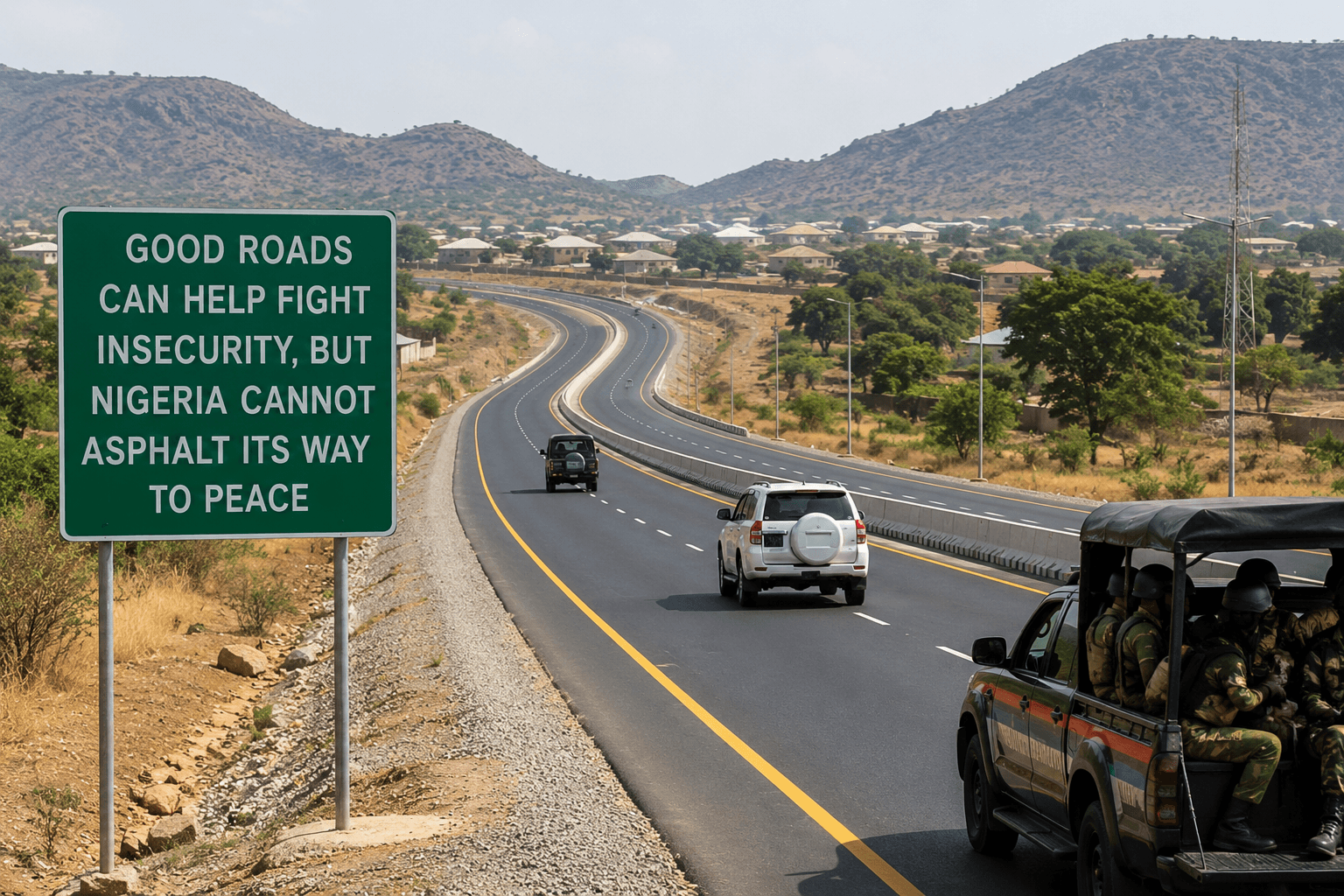
A tractor cannot transform agriculture if the road to the farm has become a kidnapping route.
This does not mean Nigeria should abandon investment in agricultural technology, credit, irrigation or infrastructure. It means those investments must be connected to a serious rural security strategy.
The WFP's latest warning says hunger in northern Nigeria has reached its worst level in nearly a decade, while insecurity is forcing people away from farmland. Borno alone has more than 3 million people facing acute food insecurity, according to the agency.
This is not a problem that can be solved by distributing bags of food after communities collapse.
Emergency assistance saves lives, but prevention must begin before the farmer is displaced.
Nigeria Needs a Rural Security Strategy That Farmers Can Feel
Security cannot exist only in government statements and press conferences.
The real test is simple: Does the farmer feel safe enough to return to the farm?
If the answer is no, then whatever strategy exists has not yet succeeded where it matters.
Nigeria needs better intelligence gathering at the community level, faster response to attacks, safer rural roads and stronger cooperation between security agencies and local communities.
But security operations must also respect the rights of innocent residents. Communities are more likely to share information when they trust the institutions meant to protect them.
There also has to be accountability.
When people repeatedly attack villages, kill farmers and abduct residents without consequences, fear spreads beyond the immediate victims. Other communities begin changing their behaviour. Farmers reduce the size of land they cultivate or leave agriculture entirely.
That silent withdrawal from farming may never make national headlines, but its consequences eventually appear in food supply and prices.
Hunger Can Create Another Security Crisis
There is another danger Nigeria must recognise.
Insecurity causes hunger, but widespread hunger can also deepen insecurity.
When families cannot eat, children become vulnerable to malnutrition. Young people without livelihoods become easier targets for criminal recruitment and exploitation. Displacement increases pressure on already struggling communities.
The United Nations' food agencies recently identified Nigeria among the countries of highest concern as acute hunger worsens globally, with conflict, economic shocks, climate pressures and funding shortages driving the crisis.
Nigeria therefore faces a dangerous cycle: violence drives people from farms, reduced production contributes to hunger and economic hardship, and worsening desperation can create conditions for further instability.
Breaking that cycle requires more than treating agriculture and security as separate government departments with separate meetings.
Protecting Farmers Is Protecting Every Nigerian
It is easy to think of a farmer's safety as a rural issue.
It is not.
The farmer is connected to the trader in the market, the driver transporting produce, the restaurant owner buying ingredients and the family trying to prepare dinner on a shrinking budget.
When the farmer is unsafe, the food chain is unsafe.
Nigeria cannot seriously talk about defeating hunger while people who produce food are being killed, kidnapped, displaced or frightened away from their land.
We can import food when shortages become severe. We can release grain from reserves. We can announce emergency interventions.
But these are responses to a problem that should have been confronted much earlier.
The more sustainable answer is to create a country where planting crops does not require courage against armed violence.
Nigeria's fight against hunger must begin long before food reaches the market.
It must begin on the farm—and with the safety of the person working on it.
This article represents the editorial opinion of Talk Ya True.
Stay Informed
Get the biggest stories from Nigeria, Africa and around the world.
Free news updates. Unsubscribe anytime.
By subscribing, you agree to receive free news updates from Talk Ya True. You can unsubscribe at any time.