Business
Nigeria Collects ₦21.6 Trillion in Six Months as Tax Reforms Transform Government Revenue
Nigeria’s revenue collection has surged to ₦21.6 trillion in the first half of 2026, marking a 49% year-on-year increase as tax reforms, digitalisation and changes to oil revenue remittances reshape government finances. The historic rise now raises a bigger question: will stronger revenue translate into better roads, electricity, healthcare, education and economic relief for ordinary Nigerians?
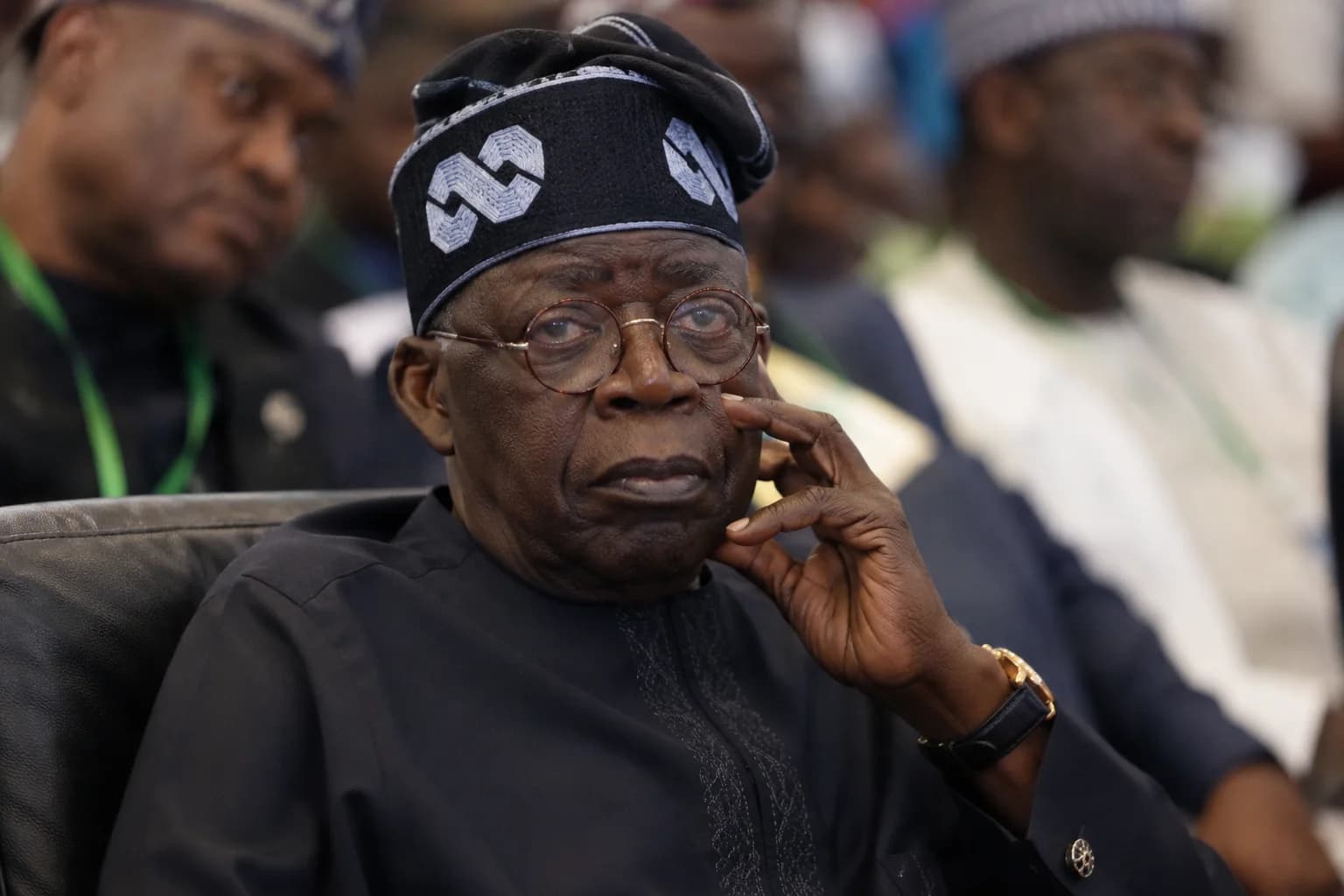
Nigeria has recorded one of the strongest revenue performances in its recent history, with the Nigeria Revenue Service generating ₦21.6 trillion in the first six months of 2026.
The figure represents a 49% increase compared with the corresponding period of 2025 and signals a major shift in the Federal Government’s ability to raise revenue.
According to an economic report from the Presidency, the increase was driven by tax reforms, the digitalisation of tax administration, changes to oil revenue remittances and the expansion of the mandate of the country’s central revenue collection agency.
The figures show how rapidly Nigeria’s revenue system has changed.
Total tax collections reportedly increased from ₦12.3 trillion in 2023 to ₦21 trillion in 2024 and ₦28.3 trillion in 2025.
Now, just halfway through 2026, revenue collection has already reached ₦21.6 trillion.
For a country that has struggled for years with low government revenue, heavy borrowing and a narrow tax base, the numbers represent a significant development.
But behind the record collection figures lies a more important question for millions of Nigerians: what will the government do with the money?
From ₦12.3 Trillion to ₦21.6 Trillion in Half a Year
The scale of Nigeria’s revenue growth becomes clearer when the latest figure is compared with previous years.
In 2023, total tax collections stood at ₦12.3 trillion for the entire year.
By 2024, collections had increased to ₦21 trillion before rising further to ₦28.3 trillion in 2025.
The ₦21.6 trillion generated between January and June 2026 means the government has collected almost as much revenue in six months as it did throughout 2024.
The Presidency’s economic report attributes the improvement to several reforms introduced over the past three years.
These include the digitalisation of tax administration, the introduction of a national electronic invoicing system for large taxpayers and the implementation of four major tax reform laws that took effect on January 1, 2026.
The reforms also transformed the former Federal Inland Revenue Service into the Nigeria Revenue Service, giving the agency a wider mandate to collect and consolidate additional government revenue streams.
Non-Oil Revenue Now Drives Collections
One of the most significant details in the latest figures is the growing importance of non-oil revenue.
According to the report, non-oil sources accounted for 76% of total collections.
This is important for Nigeria because the country has historically depended heavily on crude oil revenue to fund government activities.
That dependence has repeatedly exposed public finances to global oil price fluctuations, production disruptions, theft and other challenges affecting the petroleum industry.
A stronger non-oil revenue base could make government finances more stable and predictable.
It could also reduce the vulnerability of public spending to sudden changes in global oil markets.
However, the growth of non-oil revenue also requires careful attention to how taxes are collected.
Nigeria’s challenge will be to expand compliance and improve efficiency without placing excessive pressure on small businesses and households already dealing with inflation, energy costs and other economic difficulties.
Digitalisation Changes the Way Government Collects Money
Technology has become a central part of Nigeria’s revenue strategy.
The government has introduced digital systems aimed at improving compliance, reducing leakages and making transactions easier to track.
One of the major initiatives highlighted in the economic report is the national e-invoicing system introduced for large taxpayers.
Electronic invoicing allows tax authorities to obtain more accurate information about commercial transactions and can make it more difficult for businesses to underreport taxable activity.
Digitalisation can also reduce the dependence on manual processes that create opportunities for delays, errors and corruption.
If implemented effectively, a more digital tax system could allow Nigeria to collect more revenue from existing economic activity instead of relying only on introducing new taxes or increasing rates.
The real test, however, will be whether digital systems remain reliable, transparent and easy for businesses to use.
Oil Revenue Remittance Changes Boost Federation Account
The increase in government revenue has also been linked to changes in the way oil and gas revenues are remitted.
Executive Order 9, signed in February 2026, reportedly changed the process for remitting upstream oil and gas revenues.
Under the new arrangement, upstream operators are required to remit royalties, taxes and production-sharing-contract profit oil directly and fully into the Federation Account rather than deducting certain costs or netting off amounts before remittance.
According to the economic report, monthly Federation Account receipts increased from ₦1.8 trillion in February to ₦2.88 trillion in March.
That represents a 60% increase within one month.
If such improvements can be sustained, federal, state and local governments could have access to significantly greater resources.
But increased allocations will also bring increased responsibility.
Nigerians will expect to see improvements in infrastructure, public services and economic opportunities.
Nigeria’s Tax-to-GDP Ratio Is Rising
Another important indicator is Nigeria’s tax-to-GDP ratio.
The report says the ratio has increased from 10.3% to 13%.
The tax-to-GDP ratio measures tax revenue as a percentage of the total size of the economy and is often used to assess a government's ability to finance public services from domestic resources.
Nigeria has historically struggled with a relatively low ratio compared with many other economies.
An increase suggests the government is becoming more effective at collecting revenue from economic activity.
The wider reform agenda aims to push the ratio higher over the coming years.
However, a higher tax-to-GDP ratio should not be treated as an achievement in isolation.
For citizens and businesses, the quality of government spending matters just as much as the amount collected.
The ₦21.6 Trillion Question: Where Will the Money Go?
For ordinary Nigerians, the most important part of this story is not the record itself.
It is what happens next.
Nigeria continues to face serious infrastructure and development challenges.
Many businesses still depend on generators and alternative energy sources because of unreliable electricity supply.
Road conditions continue to affect transportation costs and the movement of agricultural products.
Public hospitals face shortages of equipment and personnel.
Millions of families carry significant education and healthcare costs directly from their own incomes.
Small businesses continue to struggle with high operating costs, limited access to affordable credit and weak consumer purchasing power.
Against this background, rising government revenue creates expectations.
If Nigeria is collecting significantly more money, citizens will naturally expect to see improvements in the services and infrastructure that affect their daily lives.
Revenue growth without visible development could deepen public frustration.
Revenue growth accompanied by better infrastructure, stronger public services and transparent spending could strengthen confidence in the tax system.
Can Higher Revenue Reduce Nigeria’s Dependence on Borrowing?
One of the biggest potential benefits of stronger revenue collection is the possibility of reducing pressure on government borrowing.
Nigeria has relied heavily on domestic and external borrowing to finance budget deficits and major government programmes.
When revenue is insufficient, the government must either reduce spending, borrow more or find alternative sources of financing.
Stronger domestic revenue can improve fiscal flexibility.
In theory, higher revenue should allow the government to finance a greater share of its budget without relying excessively on debt.
But that outcome is not automatic.
If government expenditure rises as quickly as revenue, borrowing pressures may remain.
The real measure of progress will therefore be whether stronger collections improve Nigeria’s fiscal balance and reduce the need to accumulate debt faster than the economy can sustainably manage.
Businesses Need Certainty, Not Just Collection Targets
The success of Nigeria’s tax reforms will also depend on how businesses experience the new system.
Large companies may have the resources to manage complex compliance requirements, but small and medium-sized businesses often operate with limited administrative capacity.
Many Nigerian entrepreneurs already face electricity costs, fuel expenses, rent, transportation challenges and expensive credit.
The government must therefore ensure that efforts to increase revenue do not create an environment where compliant businesses are repeatedly targeted while large parts of the informal economy remain outside the system.
A successful tax system should be broad, predictable and fair.
Businesses need to know what they owe, when they must pay and which government authority is responsible for collecting it.
Reducing multiple taxation and conflicting demands from different government agencies could be just as important as increasing headline revenue figures.
A Major Achievement, but the Real Test Begins Now
The collection of ₦21.6 trillion in six months is a significant fiscal achievement.
A 49% year-on-year increase suggests that Nigeria’s revenue reforms are producing measurable results.
The growing contribution of non-oil revenue is particularly important because it could reduce the country’s historical dependence on crude oil.
Digitalisation could improve transparency and compliance.
Changes to oil revenue remittances could reduce leakages and increase the amount reaching government accounts.
But revenue collection is only one side of the equation.
The other side is what government does with the money.
For Nigerians dealing with the cost of food, transportation, electricity, housing and healthcare, record revenue figures will mean little if they remain disconnected from everyday life.
The next stage of Nigeria’s fiscal reform must therefore focus not only on how much government collects, but also on how transparently, efficiently and productively the money is spent.
Nigeria may finally be solving part of its revenue problem.
The bigger challenge now is proving that higher government income can produce a better country for the people who fund it.
Stay Informed
Get the biggest stories from Nigeria, Africa and around the world.
Free news updates. Unsubscribe anytime.
By subscribing, you agree to receive free news updates from Talk Ya True. You can unsubscribe at any time.