Business
Why the CBN Is Not Ready to Cut Interest Rates Yet - and What It Means for Nigerians
Despite signs that inflation is easing, the Central Bank of Nigeria (CBN) is signaling that it is not yet ready to reduce interest rates. CBN Governor Olayemi Cardoso says the bank must remain cautious because of global uncertainties, including geopolitical tensions in the Middle East, exchange rate pressures and inflation risks. The decision could shape the cost of borrowing, business investment and the everyday finances of millions of Nigerians.
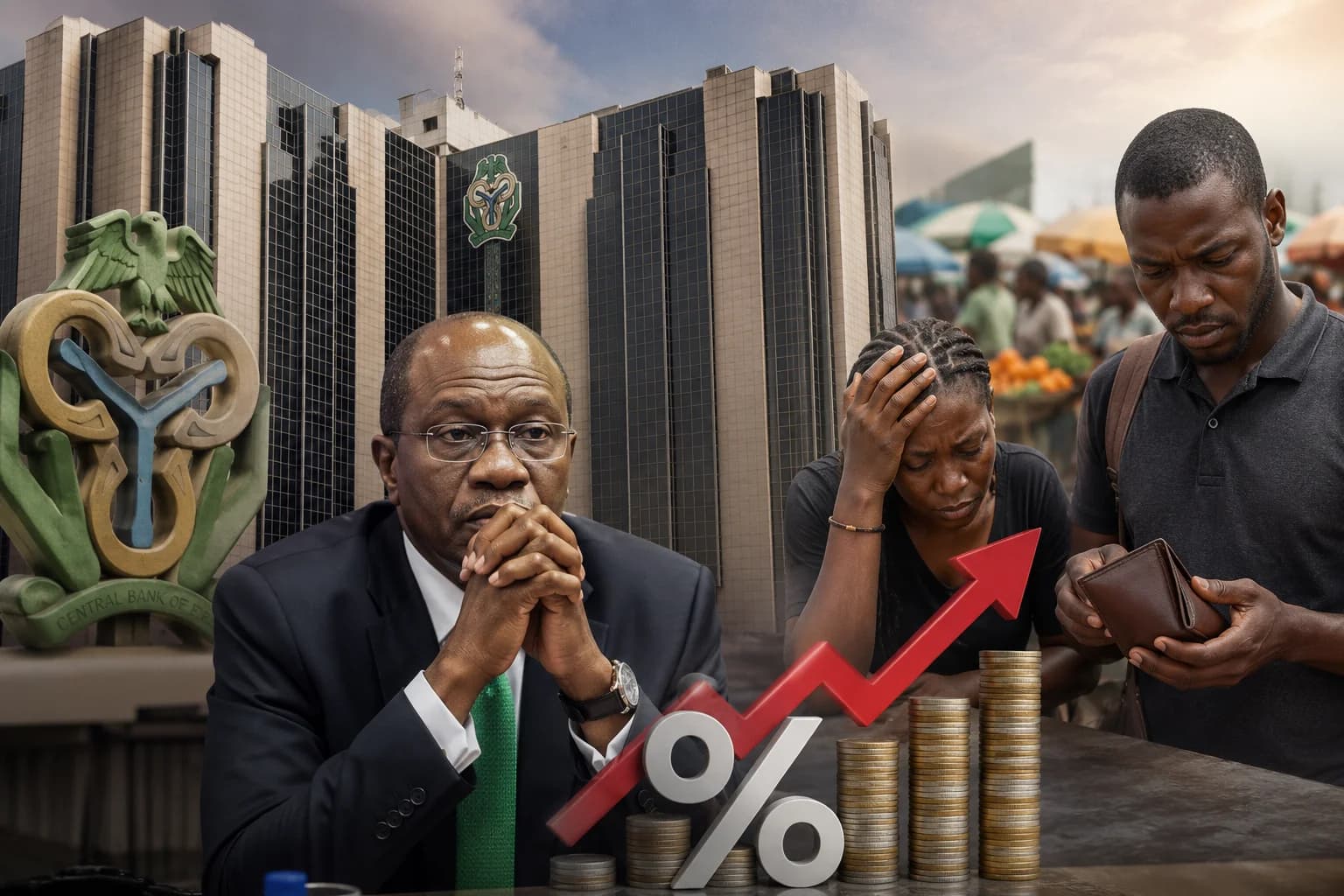
Many Nigerians have been hoping for one thing.
Cheaper loans.
Lower mortgage repayments.
Reduced borrowing costs for businesses.
After months of slowing inflation, many expected the Central Bank of Nigeria (CBN) to begin cutting interest rates.
Instead, the message from the country's top banker is clear:
Not yet.
Speaking ahead of the next Monetary Policy Committee (MPC) meeting, CBN Governor Olayemi Cardoso indicated that the bank intends to remain cautious, arguing that while inflation has begun to slow, the battle against rising prices is not over.
The announcement has caught the attention of economists, investors and business owners across the country because interest rate decisions affect almost every part of Nigeria's economy.
Why Interest Rates Matter
Interest rates are one of the most powerful tools available to a central bank.
When inflation rises too quickly, the CBN typically raises interest rates.
Higher rates make borrowing more expensive.
People spend less.
Businesses borrow less.
Demand slows.
In theory, that helps reduce inflation.
When inflation falls, central banks often begin lowering rates to encourage economic growth.
Cheaper borrowing allows businesses to expand, consumers to spend more and investors to finance new projects.
But timing is everything.
Cut rates too early, and inflation could return.
Wait too long, and economic growth may suffer.
Why the CBN Is Being Careful
According to Governor Cardoso, Nigeria still faces several risks that could quickly reverse recent progress.
These include:
Ongoing geopolitical tensions affecting global oil markets.
Volatility in international financial markets.
Exchange rate pressures.
The possibility that inflation could rise again if global commodity prices increase.
The CBN believes maintaining its current stance for a little longer may help preserve the gains already achieved in stabilising prices.
Inflation Is Falling—but Not Fast Enough
There is encouraging news.
Nigeria's inflation rate has eased from its recent highs.
Food prices, while still elevated, have shown signs of moderating in some sectors.
The foreign exchange market has also become more stable compared with previous years.
These improvements have prompted calls from businesses for lower borrowing costs.
However, the CBN argues that inflation remains above its long-term target and that caution is preferable to rushing into rate cuts.
What This Means for Businesses
For business owners, higher interest rates remain a significant challenge.
Commercial loans continue to carry high financing costs.
Small and medium-sized enterprises often struggle to access affordable credit.
Many companies have delayed expansion plans because borrowing has become expensive.
If interest rates remain unchanged, businesses may continue facing higher financing costs for some time.
However, stable inflation and improved investor confidence could still provide long-term benefits.
What It Means for Ordinary Nigerians
Most Nigerians do not borrow directly from the Central Bank.
But CBN decisions still affect everyday life.
Higher interest rates can mean:
More expensive bank loans.
Higher mortgage repayments.
Costlier business financing.
Slower job creation.
Reduced consumer spending.
On the other hand, keeping inflation under control protects the purchasing power of household incomes.
For many families, stable prices are just as important as cheaper loans.
Investors Welcome Stability
Financial markets generally prefer predictability.
Investors are often willing to accept higher interest rates if they believe the policy will strengthen economic stability over time.
Nigeria has spent the past two years implementing significant monetary and foreign exchange reforms.
Maintaining policy consistency may help attract additional foreign investment into the country.
That, in turn, could support the naira and strengthen economic growth over the longer term.
The Bigger Economic Picture
The interest rate decision does not exist in isolation.
It comes alongside:
Improving foreign reserves.
Greater stability in the foreign exchange market.
Continued reforms aimed at restoring investor confidence.
Efforts to reduce inflation without triggering a recession.
The CBN is attempting to strike a difficult balance between supporting economic growth and preventing inflation from returning.
What Happens Next?
Attention now turns to the upcoming Monetary Policy Committee meeting.
Economists remain divided.
Some believe the CBN should begin a gradual cycle of rate reductions to support businesses.
Others argue that holding rates steady is the safer option until inflation falls further.
Whatever decision is announced, it will influence financial markets, lending institutions and economic expectations for the rest of the year.
Patience or Opportunity?
The debate ultimately comes down to one question:
Should Nigeria prioritise faster economic growth today, or stronger economic stability tomorrow?
The Central Bank appears to have chosen the second option.
Governor Cardoso's message is that the recent progress in inflation and financial stability is encouraging—but still fragile.
Reducing interest rates too soon could undo months of hard-earned gains.
For now, Nigerians may have to wait a little longer before cheaper loans become a reality.
Whether that patience ultimately pays off will depend on what happens to inflation, the naira and the broader economy in the months ahead.
EDITORIAL TEAM
About Talk Ya True Editorial Team
The Talk Ya True Editorial Team is an independent newsroom committed to factual reporting, responsible journalism and thoughtful analysis across Africa and around the world.
Related Articles
Business
Nigeria's Foreign Reserves Hit $40 Billion: What It Means for the Economy, the Naira and Everyday Nigerians
Business
Oil Markets on Edge as U.S.–Iran Tensions Raise Fresh Questions for Nigeria's Economy
Business
NNPC Signs Six Major Gas Deals to Drive Industrial Growth and Strengthen Nigeria's Energy Future
Business
New Energy Challenge Offers Nigerian Startups a Chance to Transform Rural Electricity
Stay Informed
Get the biggest stories from Nigeria, Africa and around the world.
Free news updates. Unsubscribe anytime.
By subscribing, you agree to receive free news updates from Talk Ya True. You can unsubscribe at any time.