Business
Nigeria's Foreign Reserves Hit $40 Billion: What It Means for the Economy, the Naira and Everyday Nigerians
Nigeria's economic outlook received a significant boost after Central Bank Governor Olayemi Cardoso announced that the country's net foreign reserves have climbed from about $3 billion in 2023 to approximately $40 billion. The announcement marks one of the strongest improvements in Nigeria's external financial position in recent years and is expected to strengthen investor confidence, support the naira and improve the country's resilience against global economic shocks.
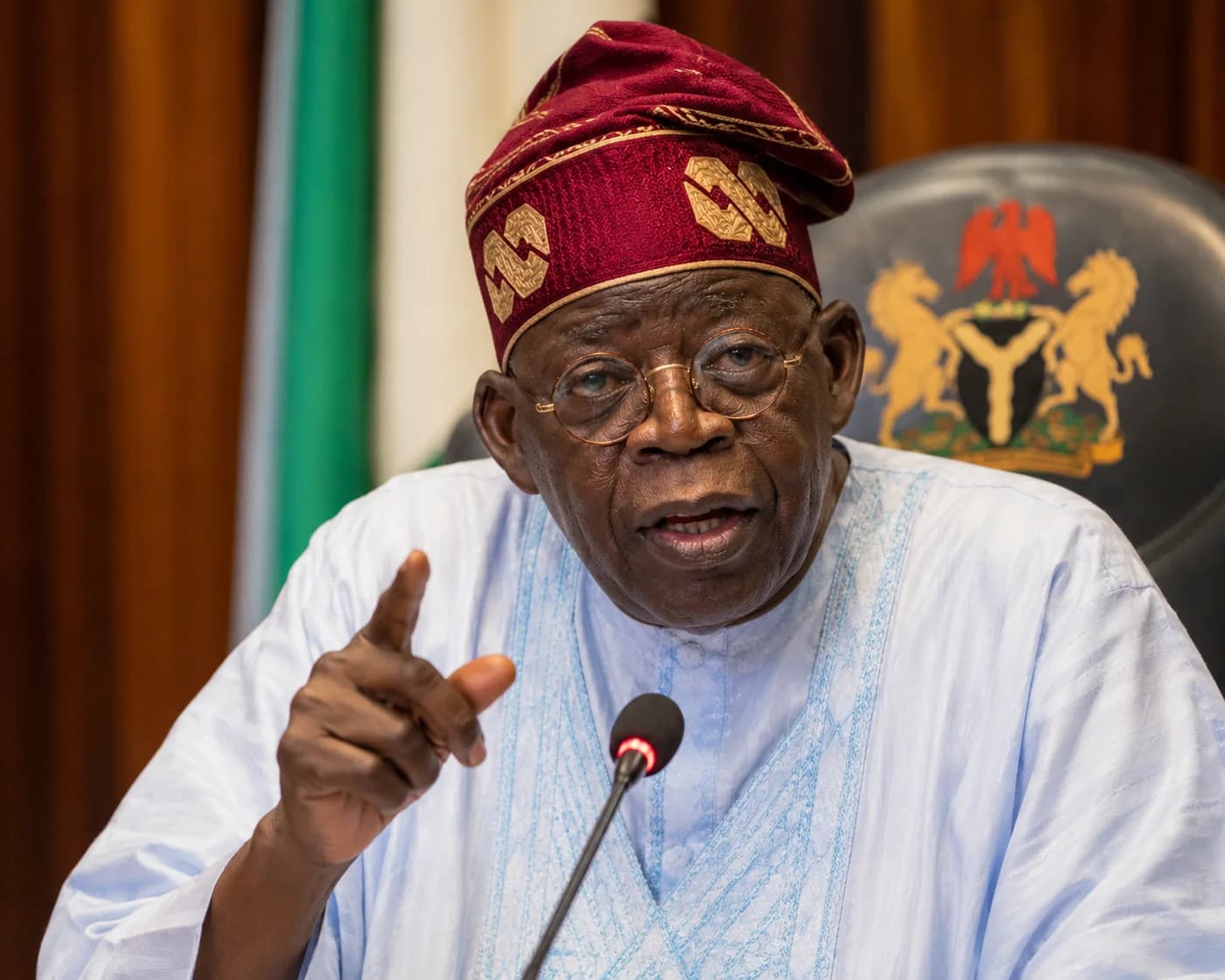
For years, one phrase dominated conversations about Nigeria's economy.
Foreign exchange crisis.
Businesses struggled to access dollars.
The naira came under relentless pressure.
Investors questioned the stability of Africa's largest economy.
But this week, the conversation changed.
Speaking at a BusinessDay conference in Lagos, Central Bank of Nigeria (CBN) Governor Olayemi Cardoso revealed that Nigeria's net foreign reserves have increased dramatically—from about $3 billion when the current reform programme began to roughly $40 billion today.
The announcement has been welcomed by many economists as one of the clearest signs yet that recent monetary and foreign exchange reforms are beginning to improve Nigeria's external financial position.
What Are Foreign Reserves?
Foreign reserves are the assets a country's central bank holds in foreign currencies.
These reserves are used to:
Support the value of the national currency.
Pay for imports.
Meet international financial obligations.
Help cushion the economy during global crises.
Build confidence among international investors.
Think of them as Nigeria's financial safety net.
The stronger the reserves, the better positioned the country is to respond to unexpected economic shocks.
Why the Jump Matters
Moving from around $3 billion in net reserves to $40 billion is a substantial improvement.
According to Cardoso, the increase reflects reforms designed to improve transparency, restore confidence in the foreign exchange market and strengthen Nigeria's external liquidity.
For investors, foreign reserves are more than just numbers.
They indicate whether a country has the financial capacity to manage periods of uncertainty.
Higher reserves generally improve confidence that a country can meet its obligations and support its currency if needed.
Could This Help the Naira?
One of the biggest questions Nigerians are asking is simple:
Will this strengthen the naira?
The answer is: it could help, but it is not a guarantee.
A stronger reserve position gives the Central Bank greater flexibility in managing periods of volatility in the foreign exchange market.
However, the value of the naira is also influenced by:
Oil prices.
Foreign investment.
Inflation.
Import demand.
Global financial conditions.
Higher reserves improve confidence, but they do not automatically lead to a stronger exchange rate.
What It Means for Businesses
Businesses are likely to watch this development closely.
Companies that depend on imported machinery, raw materials or finished products need a more stable foreign exchange market to plan effectively.
Greater reserve strength can improve confidence among both domestic and international investors.
It may also encourage more foreign capital to enter Nigeria if investors believe economic stability is improving.
Why Investors Care
International investors pay close attention to foreign reserves before committing capital.
Strong reserves suggest that a country is better prepared to withstand economic turbulence.
They also reduce concerns about foreign exchange shortages and the ability to repatriate investment returns.
For Nigeria, improving investor confidence remains a key objective as the government seeks to attract more long-term investment into sectors such as manufacturing, technology, agriculture and energy.
The Road Has Not Been Easy
The improvement did not happen overnight.
Nigeria has spent the past several years implementing difficult economic reforms, including changes to its foreign exchange framework and broader efforts to rebuild confidence in financial markets.
These measures have not been without challenges.
Businesses and households have faced higher costs during the adjustment period.
Yet supporters of the reforms argue that stronger reserves demonstrate that some of those policies are beginning to produce measurable results.
Challenges Still Remain
Despite the positive announcement, Nigeria's economic journey is far from complete.
The country continues to face:
Inflation.
High borrowing costs.
Unemployment.
Infrastructure deficits.
Pressure on household incomes.
Economists caution that strong reserves alone cannot solve these structural challenges.
Long-term growth will also depend on increased productivity, investment and continued economic diversification.
A Signal to the World
Perhaps the biggest significance of the announcement lies in the message it sends.
Nigeria wants to show international markets that it is rebuilding economic credibility.
A stronger reserve position may improve the country's standing with investors, lenders and global financial institutions.
That confidence can become an important advantage as competition for international investment continues to intensify.
What Nigerians Should Watch Next
The next few months will reveal whether this improvement translates into tangible benefits for ordinary citizens.
Many Nigerians will be watching for signs that:
The naira becomes more stable.
Inflation continues to ease.
Businesses find it easier to access foreign exchange.
Investment increases.
Economic growth creates more jobs.
Those outcomes—not the reserve figure alone—will determine how meaningful this milestone ultimately becomes.
More Than a Number
A reserve figure of $40 billion is impressive.
But for most Nigerians, success will not be measured by statistics announced at conferences.
It will be measured by everyday realities.
Can businesses expand?
Can prices stabilise?
Can families afford basic necessities?
Can young people find work?
Those are the questions that matter most.
The rise in Nigeria's foreign reserves is undoubtedly encouraging.
Whether it marks the beginning of a broader economic recovery will depend on what happens next.
If the momentum continues, this announcement may one day be remembered as more than an economic statistic.
It may be remembered as the moment confidence in Nigeria's economy truly began to return.
EDITORIAL TEAM
About Talk Ya True Editorial Team
The Talk Ya True Editorial Team is an independent newsroom committed to factual reporting, responsible journalism and thoughtful analysis across Africa and around the world.
Related Articles
Business
Why the CBN Is Not Ready to Cut Interest Rates Yet - and What It Means for Nigerians
Business
Oil Markets on Edge as U.S.–Iran Tensions Raise Fresh Questions for Nigeria's Economy

Business
NNPC Signs Six Major Gas Deals to Drive Industrial Growth and Strengthen Nigeria's Energy Future

Business
New Energy Challenge Offers Nigerian Startups a Chance to Transform Rural Electricity
Stay Informed
Get the biggest stories from Nigeria, Africa and around the world.
Free news updates. Unsubscribe anytime.
By subscribing, you agree to receive free news updates from Talk Ya True. You can unsubscribe at any time.