Africa
FG Approves ₦50,000 WAEC, NECO Registration Fee From 2027, Sparks Nationwide Debate
The Federal Government has approved a new uniform registration fee of ₦50,000 for candidates sitting the West African Examinations Council (WAEC) and National Examinations Council (NECO) Senior Secondary School Certificate Examinations from 2027. The decision represents an increase of more than 80% for many candidates and has already triggered widespread reactions from parents, students and education stakeholders, who fear it could make secondary school examinations less affordable for millions of Nigerians.
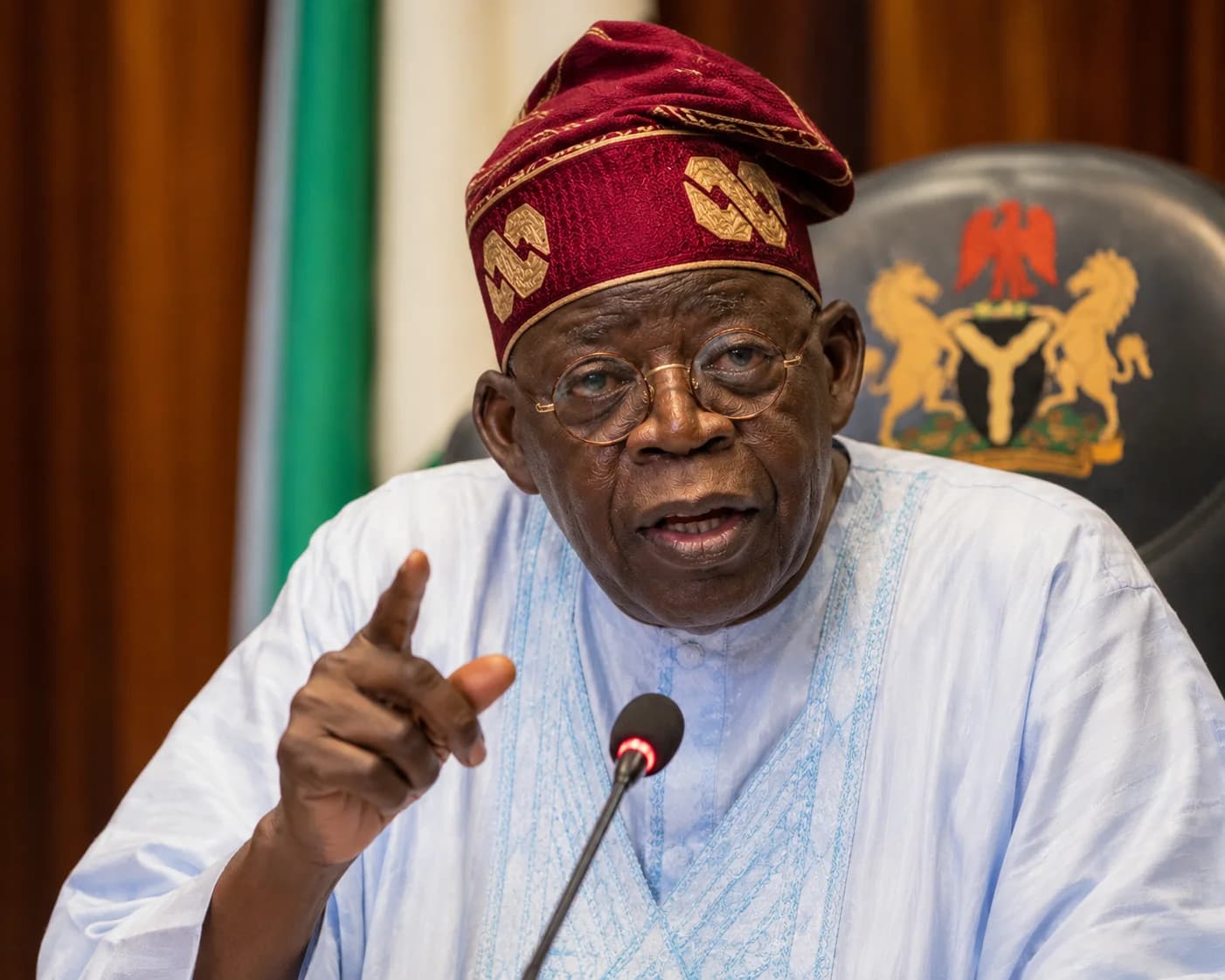
For millions of Nigerian families, the dream of completing secondary school has just become more expensive.
The Federal Government has approved a new ₦50,000 registration fee for both WAEC and NECO Senior Secondary School Certificate Examinations (SSCE), beginning with the 2027 examination cycle.
The decision means candidates who currently pay about ₦27,500 for WAEC and ₦30,000 for NECO will now pay a uniform fee of ₦50,000, representing an increase of roughly 82% in the case of WAEC.
For government officials, the increase reflects the rising cost of conducting national examinations.
For many parents, however, it represents another financial burden at a time when the cost of living is already stretching household budgets.
Why the Government Approved the Increase
According to the Federal Ministry of Education, the new fee followed a request by WAEC for an upward review of examination charges.
The ministry said the decision was reached after a meeting with examination bodies, during which the Minister of Education directed WAEC and NECO to adopt a uniform examination fee for their Senior Secondary School Certificate Examinations.
A memo signed by the Director of Senior Secondary Education, Adeniji Ibrahim, formally approved the new ₦50,000 fee, which will take effect from the 2027 examinations.
The government argues that increasing operational costs have made the previous fees difficult to sustain.
Another Financial Burden for Parents
For many Nigerian households, education already consumes a significant portion of family income.
School fees.
Books.
Uniforms.
Transportation.
Extra lessons.
Now examination registration will require even more money.
Families with multiple children preparing for WAEC or NECO could find themselves spending well over ₦100,000 on examination registration alone.
For low-income households, that is a substantial amount.
Many parents fear the increase could force some students to delay registration or even miss their final secondary school examinations altogether.
State Governments May Feel the Pressure
Several state governments currently pay WAEC fees for public school students.
The new fee could significantly increase those financial obligations.
States already struggling with education budgets may now have to decide whether they can continue funding examination fees at the higher rate.
If they cannot, more of the financial responsibility may shift back to parents.
That possibility has become one of the biggest concerns raised since the announcement.
Students and Stakeholders React
The announcement has already generated criticism from education advocates and student groups.
The National Association of Nigerian Students (NANS) has rejected the increase, arguing that many families are already under severe economic pressure and warning that higher fees could reduce access to education for disadvantaged students.
Former Vice President Atiku Abubakar also criticised the decision, saying the increase risks worsening Nigeria's out-of-school children crisis by placing another financial barrier before struggling families.
Supporters of the increase, however, argue that examination bodies also face rising operational costs, including logistics, printing, technology, security and personnel expenses.
Education Should Be an Investment, Not a Luxury
Nigeria has consistently identified education as one of the country's most important development priorities.
A well-educated population drives innovation.
Improves productivity.
Reduces poverty.
Creates opportunities.
That is why affordability matters.
If examination costs become too high, the country risks denying some young people the qualifications needed to continue into higher education or vocational training.
An examination fee is not merely an administrative charge.
For many students, it is the final step before university, college or employment.
Could the Increase Improve Examination Quality?
Supporters of the decision argue that additional revenue could help improve the quality and credibility of national examinations.
More funding could support:
Better examination security.
Improved technology.
Faster result processing.
Stronger measures against examination malpractice.
Better logistics for nationwide examinations.
Earlier this year, the Federal Government also announced plans to strengthen digital examination systems and further reduce examination malpractice through technology-driven reforms.
Whether the fee increase will translate into visible improvements remains to be seen.
The Bigger Challenge
The debate goes beyond ₦50,000.
It raises broader questions about the future of public education in Nigeria.
How should examination bodies remain financially sustainable?
How can governments protect access to education for poorer families?
Should vulnerable students receive subsidies?
Should states continue paying examination fees?
These are questions policymakers may increasingly have to answer.
A Decision That Will Affect Millions
Unlike many government policies, this one will be felt directly inside Nigerian homes.
Parents will discuss it around dining tables.
Students will worry about registration deadlines.
School administrators will prepare for difficult conversations with families.
Although implementation does not begin until 2027, the national conversation has already started.
For some, the increase is an unavoidable response to rising costs.
For others, it represents another obstacle standing between young Nigerians and their education.
What is certain is that the decision will affect millions of candidates across the country.
And in a nation where education is widely seen as the pathway to a better future, few policy changes carry consequences as personal as the cost of sitting an examination.
EDITORIAL TEAM
About Talk Ya True Editorial Team
The Talk Ya True Editorial Team is an independent newsroom committed to factual reporting, responsible journalism and thoughtful analysis across Africa and around the world.
Related Articles
Africa
“We Never Gave Up”: Inside the 56-Day Intelligence Operation That Freed Oyo Schoolchildren
Africa
How Intelligence Outwitted the Kidnappers: Inside the 56-Day Operation That Freed Oyo Schoolchildren Without Paying Ransom
Africa
Oyo School Captives Regain Freedom After 56 Days in Captivity
Africa
From Judging Public Officials to Kuje Prison: Court Remands Former CCT Chairman Danladi Umar
Stay Informed
Get the biggest stories from Nigeria, Africa and around the world.
Free news updates. Unsubscribe anytime.
By subscribing, you agree to receive free news updates from Talk Ya True. You can unsubscribe at any time.