Africa
From Judging Public Officials to Kuje Prison: Court Remands Former CCT Chairman Danladi Umar
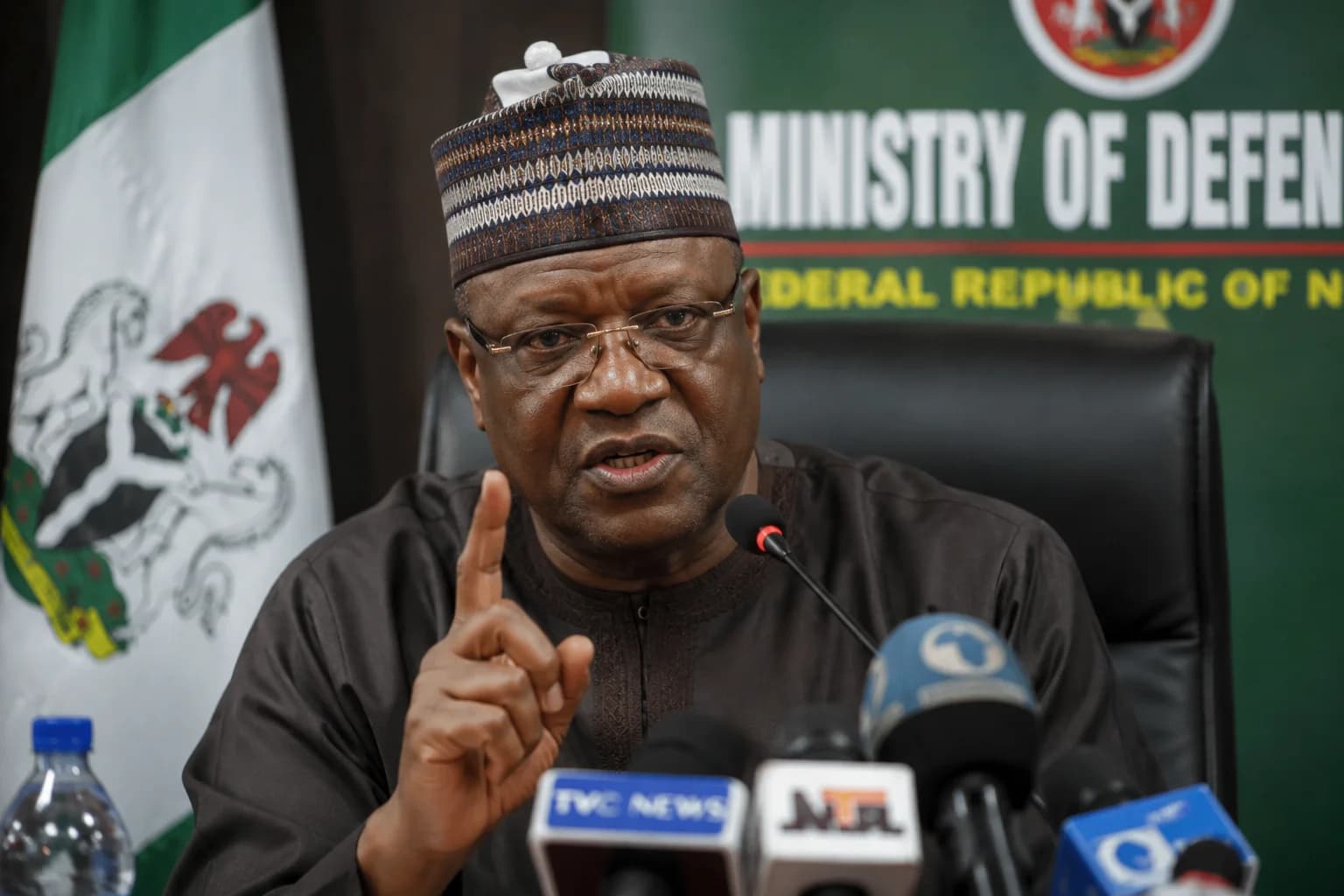
Former Code of Conduct Tribunal Chairman Danladi Umar has been remanded at Kuje Correctional Centre after pleading not guilty to four corruption charges alleging that contractors connected to CCT projects made payments benefiting his wife and children. The case presents a striking reversal for a man who once headed the tribunal responsible for adjudicating alleged breaches of the Code of Conduct by public officers.

For years, Danladi Umar sat in judgment over public officials.
He headed the Code of Conduct Tribunal, an institution created to adjudicate alleged breaches of the Code of Conduct for public officers.
Politicians appeared before the tribunal.
Senior officials faced questions.
Charges were heard.
Arguments were made.
Judgments were delivered.
Now, the former chairman is himself a defendant.
Umar was arraigned before Justice Peter Kekemeke of the Federal Capital Territory High Court in Abuja on four counts of alleged corruption.
He pleaded not guilty to all four charges.
Following arguments over his bail application, the court ordered that he be remanded at Kuje Correctional Centre pending the determination of the application, with the matter adjourned to July 15 for the bail hearing.
The allegations are serious.
But they remain allegations.
Umar is entitled to the presumption of innocence unless and until the prosecution proves its case in court.
Still, the symbolism is difficult to ignore.
A man who once led an institution responsible for holding public officials accountable is now facing allegations that he abused his own public office for private benefit.
The Four Charges
The Federal Government’s case centres on alleged payments connected to companies involved in contracts with the Code of Conduct Tribunal.
According to the charge sheet reported by Punch, prosecutors allege that Umar, while serving as CCT chairman and chairman of its tenders board, caused payments connected to contractors to benefit members of his family.
The first count concerns an alleged ₦5.5 million payment to his wife by a subcontractor connected to a contract for painting the CCT headquarters.
A second count concerns an alleged ₦6 million payment to his wife by a company linked to a contractor awarded a CCT records-digitalisation project.
The third and fourth counts allege payments of about ₦2.04 million each to Baze University for the tuition of Umar’s daughter and son.
The prosecution alleges that the conduct amounted to conferring corrupt and unfair advantages on himself in violation of the Corrupt Practices and Other Related Offences Act.
Umar denies the charges.
Why This Case Is So Symbolically Powerful
There are corruption cases involving larger amounts.
There are scandals involving more powerful political figures.
But this case carries unusual symbolism because of the office Umar once occupied.
The Code of Conduct Tribunal is not an ordinary agency.
It sits within Nigeria’s accountability architecture.
Its work concerns the ethical obligations of public officers.
That means the person leading such an institution occupies a position requiring exceptional public trust.
The principle is simple.
Those who judge others must themselves be accountable.
Those who enforce standards must live under standards.
Those who demand transparency from public officers must accept transparency when questions are raised about their own conduct.
This does not mean Umar is guilty.
That is for the court to determine.
But it means the case matters beyond one defendant.
It is a test of whether Nigeria’s accountability institutions can themselves be held accountable.
Remand Is Not Conviction
Public discussion of the case must remain careful.
Umar’s remand at Kuje Correctional Centre does not mean he has been convicted.
He pleaded not guilty.
His bail application is awaiting determination.
The prosecution must present evidence.
The defence must be allowed to challenge that evidence.
Witnesses may be called.
Documents may be tested.
The court must decide.
This distinction is essential.
Nigeria cannot fight corruption by abandoning due process.
A person accused of corruption still has rights.
The strength of an anti-corruption system is not measured by how dramatically it arrests people.
It is measured by whether investigations are professional, prosecutions are competent and court outcomes are based on evidence.
The presumption of innocence protects everyone.
Even former heads of powerful institutions.
The Payments Alleged by Prosecutors Raise a Familiar Question
The allegations in the charge sheet point to a problem that appears repeatedly in corruption cases around the world.
Indirect benefit.
A public official does not necessarily have to receive money directly into a personal account for investigators to ask questions.
Payments to relatives.
School fees.
Property.
Travel.
Consulting arrangements.
Companies controlled by associates.
These can all become relevant when investigators are examining whether a public officer received an improper benefit.
In Umar’s case, the prosecution alleges that contractors or companies connected with CCT contracts made payments benefiting his wife and children.
Again, those claims must be proved.
But the case demonstrates why public procurement requires strong conflict-of-interest rules.
If a company doing business with a public institution makes a payment benefiting the family of a person involved in that institution’s procurement decisions, questions are inevitable.
The justice system must determine the answers.
Nigeria’s Anti-Corruption War Needs Institutions, Not Theatre
Nigeria has fought corruption publicly for decades.
Almost every government promises action.
Almost every administration announces investigations.
High-profile officials are arrested.
Headlines are written.
Television cameras arrive.
Then cases can drag on for years.
That is the problem.
Anti-corruption cannot become political theatre.
The goal should not be the arrest.
The goal should be justice.
If the evidence is strong, the prosecution should present it efficiently.
If the defendant is guilty, there should be a lawful conviction and appropriate sentence.
If the evidence is weak, the state should not use prosecution itself as punishment.
Nigeria needs a system that works regardless of the defendant’s political connections.
That is how public confidence is built.
The Case Tests the Accountability System From the Inside
There is something especially important about investigating people who have worked inside accountability institutions.
Nigeria has agencies responsible for investigating corruption.
It has tribunals.
Auditors.
Legislative committees.
Inspectors.
Procurement authorities.
But who watches the watchdogs?
This question matters because oversight bodies possess enormous power.
They can investigate people.
Damage reputations.
Recommend prosecution.
Freeze assets.
Issue decisions.
Influence political careers.
Such power must itself be subject to oversight.
No institution should become so powerful that its leadership is beyond scrutiny.
The Danladi Umar case is therefore about more than alleged payments.
It is about whether the principle of accountability can travel upward.
The CCT Has Played a Major Role in Nigerian Political Life
The Code of Conduct Tribunal has been involved in some of Nigeria’s most politically sensitive cases.
Its proceedings can affect political careers and public reputations.
That makes public confidence in the tribunal essential.
Citizens must believe that the people administering the system are independent and ethical.
When a former head of such an institution faces corruption allegations, public trust can suffer even before a verdict.
That is another reason the case should be handled transparently and efficiently.
A long, confused or politically charged process would not serve the public interest.
Nigeria needs clarity.
What happened?
What evidence exists?
What is the defence?
What does the court decide?
Kuje Has Become a Symbol in Nigerian Public Life
The name Kuje carries its own weight in Nigeria.
Over the years, politicians, senior officials and other prominent defendants have spent time in the correctional centre while facing legal proceedings.
For the public, a remand order can create dramatic headlines.
But the real story begins after the headline.
Will the case move quickly?
Will witnesses appear?
Will the prosecution be ready?
Will adjournments become endless?
Will the defendant receive a fair hearing?
Will Nigerians still remember the case in two years?
Those questions are important because Nigeria’s justice system often struggles with delay.
Justice delayed damages everyone.
The prosecution.
The defendant.
The public.
Corruption Cases Must Not Depend on Political Seasons
One of the biggest challenges facing anti-corruption efforts in Nigeria is public suspicion about selective enforcement.
When a politically exposed person is prosecuted, supporters often claim persecution.
Opponents celebrate before the evidence is tested.
That damages the legal process.
The solution is consistency.
Investigate allies.
Investigate opponents.
Investigate serving officials.
Investigate former officials.
Follow evidence.
Publish clear charges.
Allow fair defence.
Respect court decisions.
If anti-corruption action is consistent, claims of political motivation become less powerful.
If it appears selective, public trust collapses.
The Danladi Umar prosecution should be judged by evidence, not political convenience.
Procurement Is Where Public Trust Often Goes to Die
The allegations also highlight the importance of procurement reform.
Government contracts involve enormous sums of public money.
Painting.
Digitalisation.
Construction.
Supplies.
Consultancy.
Technology.
Maintenance.
Each contract creates opportunities for legitimate business.
Each contract also creates corruption risks.
Nigeria needs procurement systems that reduce human discretion where possible.
Digital tendering.
Public contract databases.
Beneficial ownership transparency.
Independent audits.
Conflict-of-interest declarations.
Clear evaluation criteria.
Public information about contract execution.
The best anti-corruption strategy is not only arresting people after money has moved.
It is designing systems that make abuse more difficult.
Public Officials Must Understand That Family Benefits Can Raise Questions
The allegations against Umar also carry a broader lesson for people in public office.
Ethical responsibility does not end with the official’s personal bank account.
Public officers must be cautious about financial relationships between contractors and their relatives.
Even where a public official believes a transaction is innocent, the appearance of a conflict can damage trust.
Strong institutions create rules that prevent these situations before they arise.
Officials should disclose conflicts.
Recuse themselves where necessary.
Avoid private financial relationships with companies seeking public contracts.
Keep procurement decisions documented.
Public office creates obligations that private citizens do not carry.
That is the price of public trust.
Nigeria Must Let the Court Do Its Work
There will be temptation to turn Umar’s remand into entertainment.
The former judge is now being judged.
The anti-corruption official is now facing corruption allegations.
The symbolism writes its own headlines.
But the justice system must move beyond symbolism.
The prosecution has made allegations.
Umar has denied them.
Now evidence must speak.
If the prosecution proves the charges beyond the required legal standard, the law should take its course.
If it fails, Umar must not be treated as guilty merely because the allegations were dramatic.
That is how the rule of law works.
The Bigger Lesson Is That No Office Should Be Above Scrutiny
Nigeria’s institutions will become stronger when holding powerful office no longer creates the expectation of permanent immunity.
A minister can be investigated.
A governor can be investigated.
A judge can be investigated through lawful processes.
An anti-corruption official can be investigated.
A former tribunal chairman can face trial.
But investigation alone is not victory.
The system must also be fair.
Efficient.
Professional.
Independent.
That is the balance Nigeria needs.
Danladi Umar once occupied one of the most consequential positions in Nigeria’s public-accountability system.
Today, he is defending himself against four corruption charges and has pleaded not guilty. The court ordered his remand at Kuje pending consideration of his bail application on July 15.
The irony is obvious.
But irony is not justice.
Justice will come from evidence, due process and the court’s eventual decision.
For now, the case sends one important message:
Those who sit in judgment over public officials must know that they, too, can be called to account.
That principle is not an attack on institutions.
It is how institutions become worthy of trust.
Stay Informed
Get the biggest stories from Nigeria, Africa and around the world.
Free news updates. Unsubscribe anytime.
By subscribing, you agree to receive free news updates from Talk Ya True. You can unsubscribe at any time.