Africa
Oyo School Captives Regain Freedom After 56 Days in Captivity
Pupils and teachers abducted from three schools in Oriire Local Government Area of Oyo State have regained their freedom after 56 harrowing days in captivity. The Presidency says eight suspected kidnappers were arrested and others killed during the security operation, while rejecting claims that the victims were freed through a prisoner exchange. The rescue brings relief to families and communities that spent nearly two months waiting—but it also leaves Nigeria with an urgent question: how can the country stop children from being taken from their classrooms in the first place?
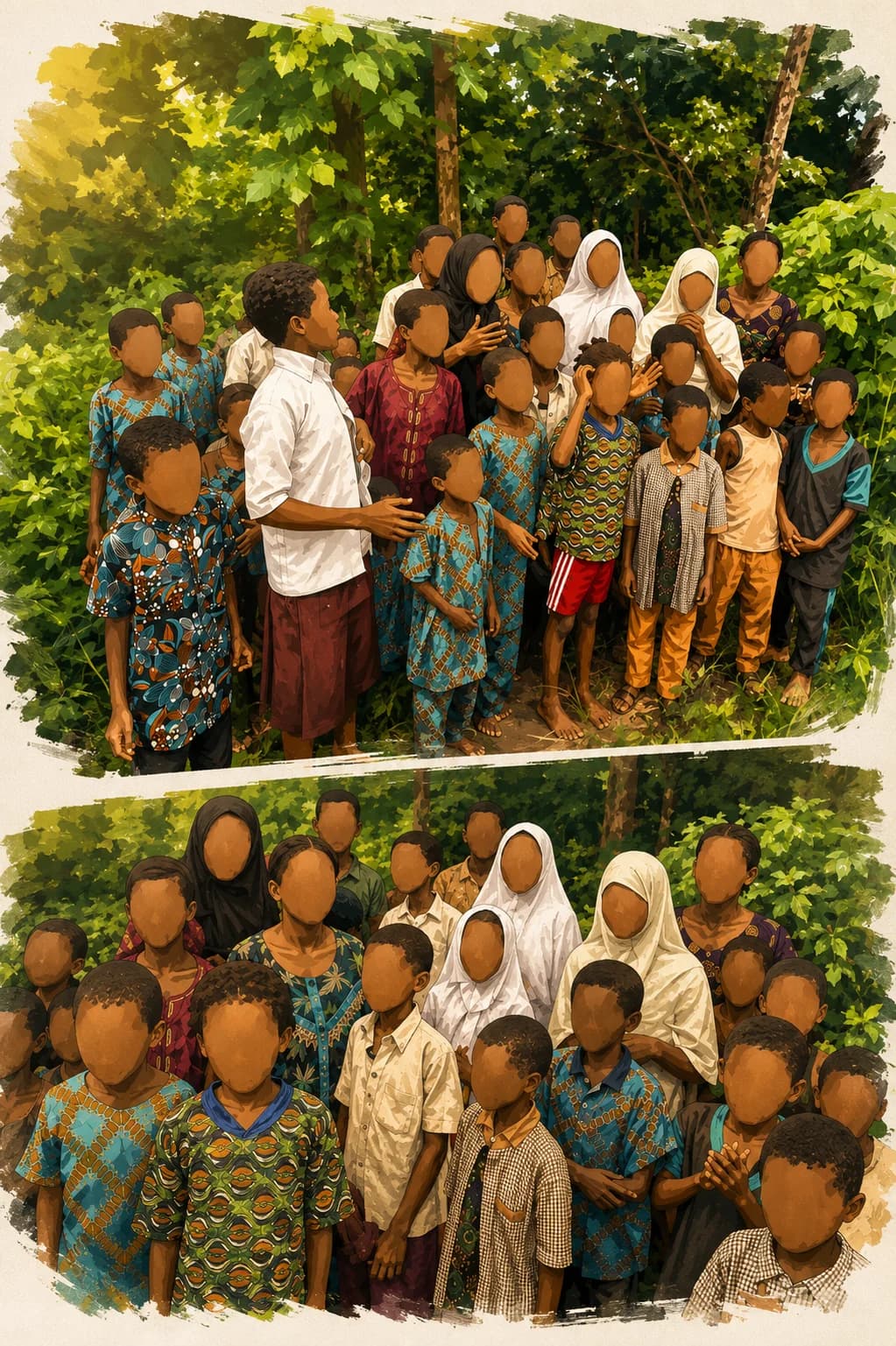
For 56 days, families waited.
For 56 days, classrooms had empty seats.
For 56 days, parents went to sleep without knowing where their children were being held, what they were eating or whether they would ever return home.
Now, the waiting has finally ended.
The pupils and teachers abducted from schools in Oriire Local Government Area of Oyo State have regained their freedom, bringing an end to an ordeal that began on May 15, 2026.
The Presidency announced on Friday that all the remaining abducted pupils and teachers had been rescued by security agencies.
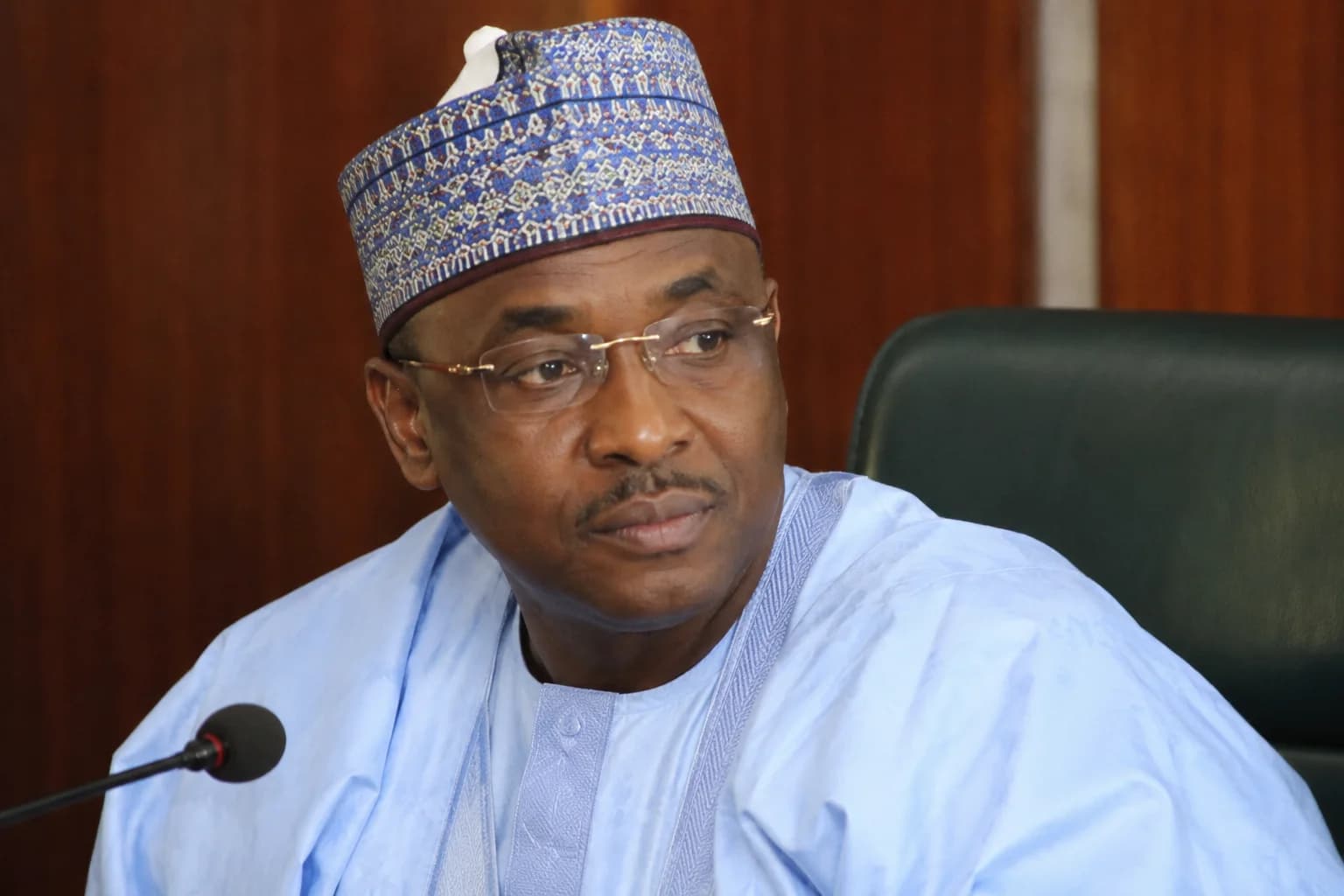
Presidential adviser Bayo Onanuga later said eight suspected kidnappers were arrested during the operation and were in the custody of the Department of State Services, while some other suspected members of the group were killed. He also denied that the rescue involved exchanging the victims for detained terror suspects.
The announcement has brought enormous relief.
But this should not be treated as simply another happy ending.
Because before these children became a rescue story, they were victims of a national security failure.
Children went to school.
Armed men came for them.
And for nearly two months, their families lived through a nightmare.
The Attack That Began the 56-Day Ordeal
The crisis began on May 15, when attackers targeted schools in communities in Oriire Local Government Area.
Initial reports said 39 pupils and seven teachers, including a principal, were abducted from Baptist Nursery and Primary School in Yawota, L.A. Primary School and Community Grammar School in Esiele. One abducted teacher was killed the following day as security forces pursued the attackers.
The victims included children who should have been concerned about lessons, homework and examinations.
Instead, they were forced into captivity.
The attack sent shockwaves through Oyo State because mass school abductions have often been associated in the public imagination with other parts of Nigeria.
This time, the nightmare had arrived in communities in the South-West.
It was another warning that insecurity does not respect regional assumptions.
A country cannot afford to believe that kidnapping is somebody else’s problem.
Fifty-Six Days Is a Long Time for a Child
It is easy to write “56 days” in a headline.
It is harder to understand what those words mean.
Fifty-six mornings waking up in captivity.
Fifty-six nights away from home.
Fifty-six days of uncertainty for parents.
Families not knowing whether their children were safe.
Teachers' families waiting for news.
Communities searching for answers.
Security agencies pursuing leads.
Rumours spreading.
False reports appearing online.
Hope rising and collapsing again.
Earlier in the ordeal, false claims that the victims had already been released spread online and were publicly denied by police. The eventual confirmed rescue therefore comes after weeks of confusion, anxiety and repeated demands for credible information.
For the families, the difference between rumour and reality was everything.
This time, the freedom is real.
Eight Suspected Kidnappers Arrested
The Presidency says the operation that secured the captives’ freedom also resulted in the arrest of eight suspected kidnappers.
According to Onanuga, the suspects are in DSS custody, while some others were killed during the security operation.
The arrests are significant.
A rescue is important.
But rescue without dismantling the network responsible can leave communities vulnerable to another attack.
Investigators now have an opportunity to establish the wider structure behind the kidnapping.
Who planned the operation?
Who provided intelligence?
Who supplied weapons?
Who moved the captives?
Who provided food and other logistical support during nearly two months of captivity?
Did the kidnappers have local collaborators?
How were they able to evade capture for so long?
Were there financial networks supporting them?
These questions matter.
Kidnapping is rarely only the work of the armed men visible during an attack.
Large criminal operations can depend on information, transportation, communication, supplies and money.
Breaking those networks is as important as rescuing victims.
Presidency Rejects Prisoner-Exchange Claim
One of the most sensitive questions surrounding the abduction concerned reports about demands allegedly made by the kidnappers.
Earlier reporting said the abductors had demanded the release of detained terror suspects in exchange for the pupils and teachers.
Following the rescue, Onanuga rejected the suggestion that the captives were freed through such an exchange, saying there was no quid pro quo and pointing out that one of the terror suspects whose release had reportedly been demanded remains on trial.
That clarification is important.
Governments face extremely difficult decisions in hostage situations.
Families want their loved ones back immediately.
Security agencies want to rescue victims without strengthening the criminal groups responsible.
The public deserves accurate information about how such operations are resolved, although some operational details may understandably remain confidential while investigations continue.
A Teacher Did Not Return Home
The joy surrounding the rescue should not erase the tragedy that occurred during the ordeal.
One of the abducted teachers was killed after the kidnapping as security operatives pursued the attackers.
That means the story does not end in celebration for every family.
While many families are finally able to embrace their loved ones, another family is living with permanent loss.
The country should remember that.
News cycles often move quickly from tragedy to celebration.
But for the family of a victim who did not return, there is no simple ending.
Justice must therefore remain part of this story.
The rescue is a victory.
Accountability must follow.
The Children Need More Than Photographs and Ceremonies
Freedom is the first step.
Recovery comes next.
Children who have spent nearly two months in captivity may need medical assessment, psychological support and careful reintegration into family and school life.
They should not be treated merely as symbols for political ceremonies.
They are children who have experienced an extraordinary ordeal.
Their privacy should be respected.
Their health should be prioritised.
Their families should receive support.
Their return to education should be handled carefully.
President Tinubu has reportedly ordered medical support following the rescue, while praising the security agencies involved in securing the captives’ freedom.
That support must be meaningful and sustained.
Trauma does not disappear because a rescue photograph has been taken.
The Teachers’ Protest Showed the Depth of the Crisis
The continued captivity of the pupils and teachers had generated anger among educators.
The Nigeria Union of Teachers called for an indefinite withdrawal of services in Oyo State over the continued captivity, reflecting growing frustration and fear within the education community.
That reaction was understandable.
Teachers cannot be expected to act as security personnel.
Parents should not have to choose between education and safety.
Children should not enter classrooms wondering whether armed men will come for them.
When teachers feel unsafe and schools close because of kidnapping, the criminals achieve more than the abduction of individual victims.
They attack education itself.
That is why school security must be treated as a national priority.
Rescue Must Not Become Nigeria’s Security Strategy
Nigerians should celebrate the return of the captives.
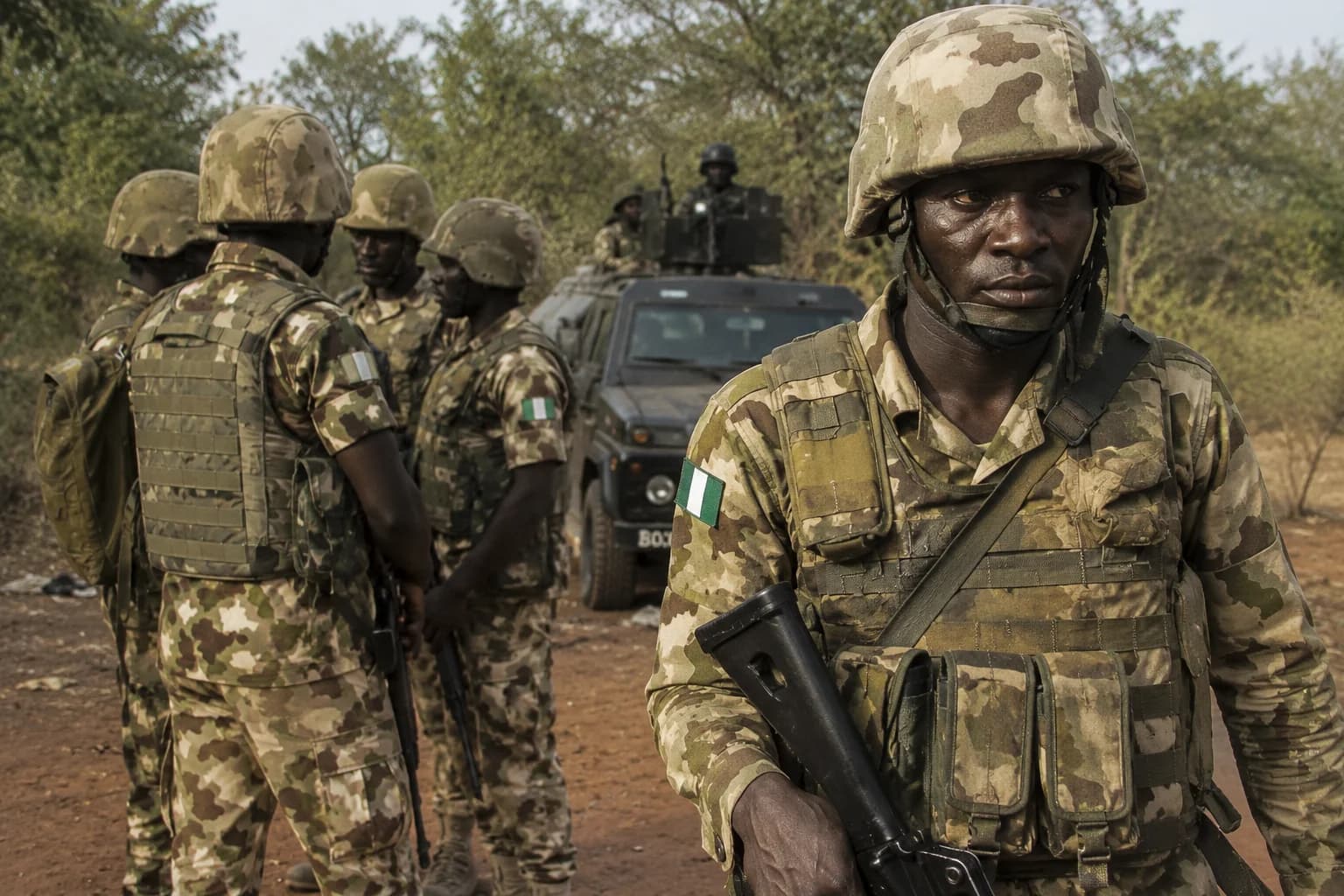
The security personnel involved deserve recognition for bringing the ordeal to an end and for the reported arrests made during the operation.
But a country cannot build its school-security strategy around rescue operations alone.
The goal must be prevention.
Every successful rescue is still preceded by a successful kidnapping.
That is the uncomfortable truth.
The better security question is not only:
How do we rescue abducted children?
It is also:
How do we make it extremely difficult for armed groups to take them in the first place?
That requires intelligence.
Early-warning systems.
Community cooperation.
Rapid-response units.
Secure communication systems.
Better surveillance of vulnerable routes and forests.
Stronger local intelligence networks.
Properly trained school-security personnel.
Clear emergency procedures.
And coordination among police, military, intelligence agencies and local security structures.
Rural Schools Cannot Be Left Defenceless
Many vulnerable schools are located in communities far from major security infrastructure.
Response time matters.
If attackers can enter a community, take dozens of people and disappear before a coordinated response begins, the security system is already at a disadvantage.
Nigeria needs a proper vulnerability assessment of schools across the country.
Which schools are isolated?
Which are close to forests used by criminal groups?
Which have no communication system?
Which have weak access roads?
How far away is the nearest police or security post?
What is the response time?
Do teachers know what to do during an attack?
Do communities have verified emergency contacts?
These are practical questions.
School safety cannot exist only in policy documents.
It must exist in the real world.
The Rescue Is a Victory, but the Investigation Must Continue
The arrest of eight suspects could provide valuable intelligence.
If investigators handle the case professionally, the suspects may help authorities understand the network behind the attack.
The investigation should trace communications.
Financial transactions.
Weapons sources.
Movement routes.
Possible collaborators.
Previous criminal activity.
Links to other attacks.
The objective should be bigger than securing convictions in one case.
The objective should be dismantling the entire network.
Nigeria has often arrested low-level suspects while the broader criminal structure survives.
That cannot be enough.
If financiers exist, find them.
If informants exist, identify them.
If weapons suppliers exist, trace them.
If security information was leaked, investigate it.
A kidnapping operation that held dozens of people for 56 days required organisation.
The investigation should uncover how that organisation worked.
Communities Need Confidence to Send Children Back to School
The physical return of the pupils is only one part of the recovery.
Parents in affected communities must regain confidence in the education system.
Imagine being a parent in Oriire.
Your child has just returned after nearly two months in captivity.
Then someone tells you to send the child back to school.
Would you feel safe?
Would the child feel safe?
Would the teachers feel safe?
These questions cannot be dismissed.
Authorities need to engage directly with affected communities and explain what security changes will be made.
Parents should know that lessons have been learned.
Schools should know who to contact during emergencies.
Security patrols should not disappear after media attention moves elsewhere.
Trust must be rebuilt.
The Nation Must Not Forget These Children Next Week
Nigeria has a dangerous relationship with tragedy.
A shocking event happens.
There is outrage.
Politicians issue statements.
Social media trends.
Journalists report.
Then another crisis arrives.
The country moves on.
The victims remain.
That cycle must change.
The rescued pupils and teachers will need support after the headlines disappear.
Their families may have suffered financially during the ordeal.
Their education has been disrupted.
Their communities have been traumatised.
The government should develop a clear recovery programme and communicate it transparently.
Freedom should not mean abandonment.
Security Agencies Deserve Credit—and Scrutiny Must Continue
Two things can be true at the same time.
Security agencies can deserve credit for rescuing the captives.
And Nigerians can still demand answers about how the abduction happened and why it took 56 days to end.
Accountability is not disrespect.
It is how systems improve.
The public deserves a fuller account of the rescue operation when doing so no longer threatens ongoing investigations.
What intelligence breakthrough led security forces to the captives?
How were the suspects arrested?
Were the victims moved during captivity?
What security gaps have been identified?
What has changed to prevent another attack?
A serious security system studies every operation.
Successes.
Failures.
Delays.
Intelligence gaps.
Response times.
That is how institutions become stronger.
Today Is a Day of Relief
For the families, however, today is not primarily about policy.
It is about reunion.
A child coming home.
A teacher returning to loved ones.
A family finally hearing the voice it had been praying to hear.
A community seeing people it feared it might never see again.
Those moments matter.
For 56 days, these families lived with uncertainty.
Today, that uncertainty has ended for the rescued captives.
Nigeria should celebrate with them.
But the country must also honour their ordeal by refusing to accept school kidnapping as normal.
Children should not need courage to attend school.
Teachers should not need bravery to enter classrooms.
Parents should not have to wonder whether sending a child to learn could become the beginning of a 56-day nightmare.
The rescue of the Oyo school captives is wonderful news.
Now Nigeria must do the harder work.
Make sure there is never another story like it.
Stay Informed
Get the biggest stories from Nigeria, Africa and around the world.
Free news updates. Unsubscribe anytime.
By subscribing, you agree to receive free news updates from Talk Ya True. You can unsubscribe at any time.