Africa
FG Makes U-Turn on ₦50,000 WAEC, NECO Fee Hike After Nationwide Outcry
Less than 24 hours after approving a ₦50,000 registration fee for WAEC and NECO examinations from 2027, the Federal Government has suspended the proposed increase following widespread criticism from parents, students, education stakeholders and political leaders. The Ministry of Education says the proposal has been put on hold to allow broader consultations before any final decision is taken.
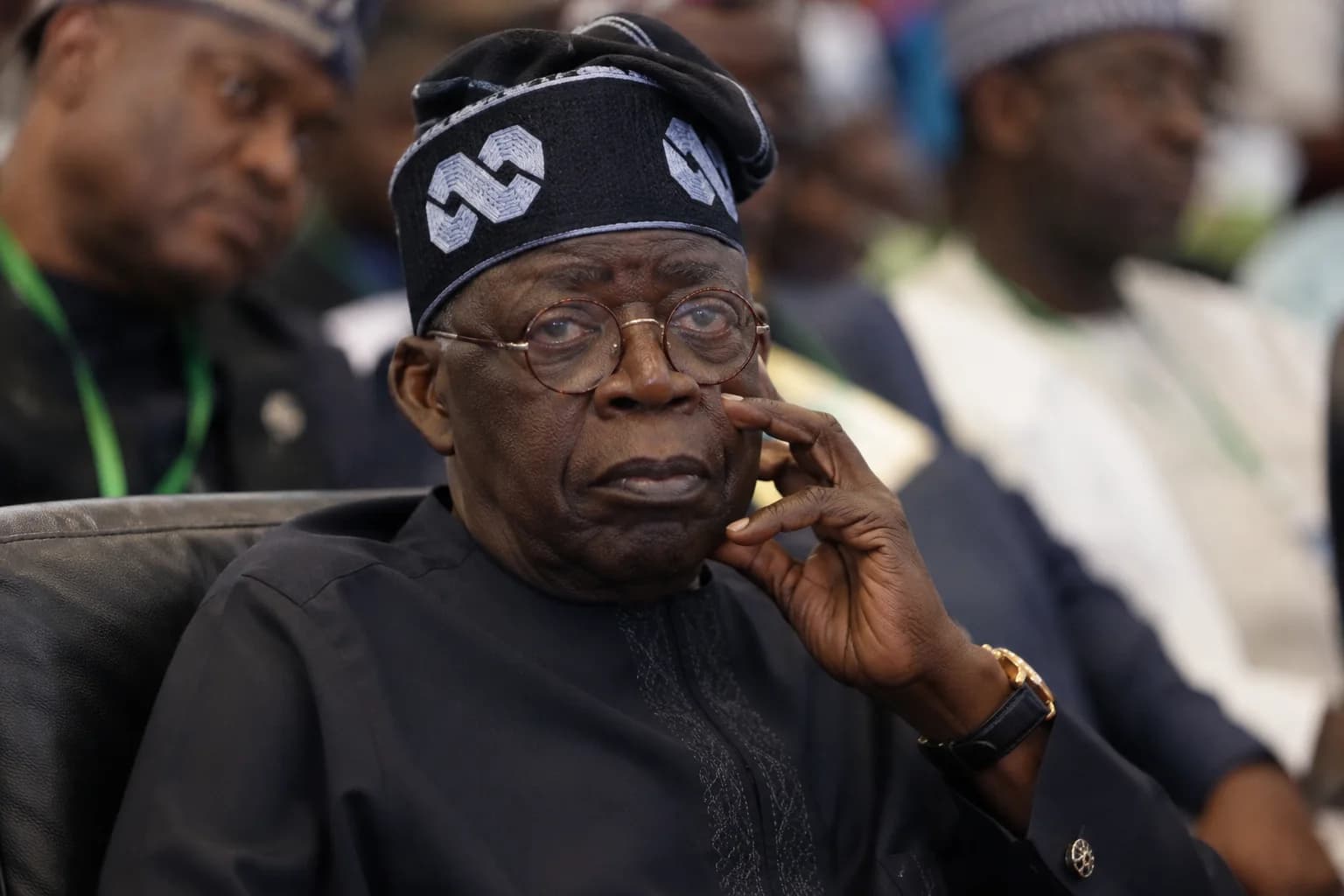
It was one of the most controversial education announcements in recent months.
On one day, the Federal Government approved a new ₦50,000 registration fee for candidates sitting the West African Examinations Council (WAEC) and the National Examinations Council (NECO) Senior Secondary School Certificate Examinations from 2027.
By the next day, the government had changed course.
Following a wave of public criticism, the Federal Ministry of Education announced that the proposed fee increase had been suspended, saying the decision was necessary to allow wider consultations with key stakeholders before any final policy is adopted.
The reversal has been welcomed by many parents and education advocates, who argued that the proposed increase would have placed an additional financial burden on millions of Nigerian families already struggling with the rising cost of living.
How the Controversy Began
The initial proposal would have increased the registration fee for both WAEC and NECO to a uniform ₦50,000 per candidate from the 2027 examination cycle.
The Ministry of Education explained that the review was prompted by rising operational costs associated with conducting credible national examinations, including logistics, security, printing, technology and quality assurance.
However, the announcement immediately sparked criticism across the country.
Parents questioned how many families could afford the increase.
Student organisations warned it could discourage candidates from sitting their examinations.
Opposition politicians described the proposal as insensitive at a time of economic hardship.
Within hours, the issue had become one of Nigeria's biggest public debates.
Government Decides to Pause the Plan
Responding to the growing backlash, the Ministry of Education announced that it had withdrawn its earlier communication approving the increase.
According to the ministry, the suspension is intended to create room for comprehensive consultations with examination bodies, state ministries of education, school proprietors, parents' associations, organised labour and other stakeholders before any final decision is made.
Education Minister Dr Tunji Alausa directed that the proposal should not proceed until those consultations have been completed.
For now, the planned increase will not take effect.
Why Nigerians Reacted So Strongly
The proposed increase came at a difficult time for many households.
Food prices remain high.
Transportation costs have risen sharply.
School expenses continue to increase.
For families with more than one child preparing for external examinations, paying ₦50,000 per candidate would have represented a significant financial challenge.
Several state governments that currently sponsor WAEC registration for public school students also faced the prospect of much higher education spending.
Many observers feared the policy could have widened Nigeria's already serious out-of-school children crisis.
Students and Parents Welcome the Suspension
Student groups and education stakeholders have broadly welcomed the government's decision to pause the proposal.
Many argue that consultation is necessary before implementing policies that directly affect millions of young Nigerians.
The debate has also highlighted a broader concern.
While examination bodies need adequate funding to maintain standards, education must remain accessible to students from every economic background.
Finding that balance will be one of the government's biggest challenges during the consultation process.
The Cost of Running National Examinations
The Ministry of Education has maintained that the proposal was driven by genuine financial pressures.
Conducting nationwide examinations requires enormous resources.
Question papers must be printed securely.
Materials must be transported across the country.
Technology systems must be maintained.
Examination centres require monitoring.
Personnel must be recruited and trained.
The ministry says these costs have increased substantially over recent years, making a review of examination fees necessary.
The question now is not whether costs have increased.
It is how those costs should be shared.
Consultation Will Shape the Final Decision
According to the ministry, discussions will now involve:
WAEC and NECO officials.
State ministries of education.
School owners and administrators.
Parents' associations.
Organised labour.
Other education stakeholders.
Those consultations could lead to several possible outcomes.
The government could retain the current fees.
Approve a smaller increase.
Introduce subsidies for vulnerable students.
Or develop an entirely different funding model.
At this stage, no final decision has been announced.
A Lesson in Public Engagement
The government's decision to suspend the proposal also demonstrates the influence of public participation.
Within a short period, concerns raised by parents, students, civil society groups and political leaders prompted policymakers to reconsider.
Whether or not the final policy changes significantly, the episode highlights the importance of consultation when decisions affect millions of citizens.
What Happens Next?
For now, students preparing for future WAEC and NECO examinations can expect no immediate change to the previously announced fee structure.
Any future adjustment will only be considered after the consultation process has been completed and a new decision communicated by the Federal Ministry of Education.
The debate, however, is far from over.
Examination bodies still face rising costs.
Parents still face economic pressure.
Government still has to balance financial sustainability with affordable access to education.
The suspension may have ended the immediate controversy.
But the conversation about how Nigeria should fund its education system is only just beginning.
EDITORIAL TEAM
About Talk Ya True Editorial Team
The Talk Ya True Editorial Team is an independent newsroom committed to factual reporting, responsible journalism and thoughtful analysis across Africa and around the world.
Related Articles

Africa
Two Nigerians Arrested in Ghana Over Alleged Murder of Fellow Nigerian
Africa
Gunmen Kill Mourners After Funeral in Benue, Renewing Fears Over Escalating Violence
Africa
FG Approves ₦50,000 WAEC, NECO Registration Fee From 2027, Sparks Nationwide Debate
Africa
“We Never Gave Up”: Inside the 56-Day Intelligence Operation That Freed Oyo Schoolchildren
Stay Informed
Get the biggest stories from Nigeria, Africa and around the world.
Free news updates. Unsubscribe anytime.
By subscribing, you agree to receive free news updates from Talk Ya True. You can unsubscribe at any time.