Politics
Former Minister Uche Nnaji Faces Court Over Alleged Certificate Forgery
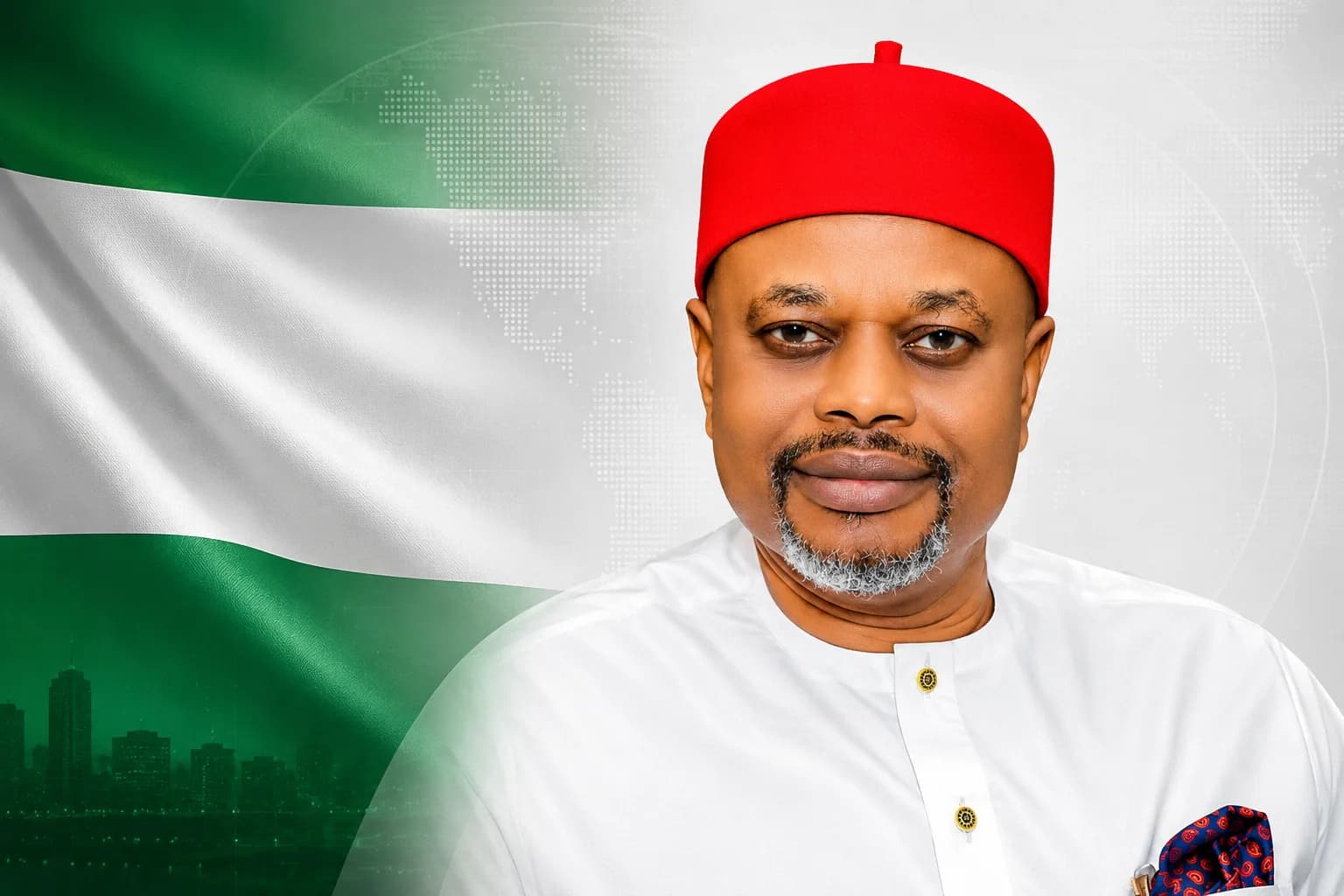
Former Minister of Innovation, Science and Technology, Uche Nnaji, is facing one of the biggest legal battles of his political career over allegations of certificate forgery and abuse of office. The case has attracted nationwide attention because it raises broader questions about integrity, accountability and public trust in Nigeria's public service. Nnaji has denied wrongdoing, and the allegations are yet to be tested in court.
Public office is built on one priceless asset.
Trust.
Citizens trust that those appointed to lead them have earned their positions honestly.
They trust that qualifications presented to the public are genuine.
They trust that those making decisions on behalf of millions are themselves accountable to the law.
When those assumptions are challenged, the consequences extend far beyond one individual.
That is why the legal case involving former Minister of Innovation, Science and Technology, Uche Nnaji, has become one of Nigeria's most closely watched political stories.
According to court documents and anti-corruption investigators, Nnaji is being investigated over allegations that include certificate forgery, abuse of office and the conferment of unfair advantage while serving as a minister. A Federal High Court previously granted the Independent Corrupt Practices and Other Related Offences Commission (ICPC) permission to arrest him after investigators said he repeatedly failed to honour invitations.
The allegations remain allegations.
No court has found him guilty.
He is entitled to the full protection of the law and the presumption of innocence until the judicial process is complete.
Why This Case Matters
Cases involving senior public officials often become larger than the individuals involved.
They test institutions.
They test the justice system.
They test whether anti-corruption agencies can investigate powerful figures without fear or favour.
If the allegations are proven, the consequences would be significant because they would involve questions about the qualifications of someone who occupied one of the country's highest executive offices.
If the allegations are not proven, the outcome would be equally important because it would reinforce the principle that accusations alone should never be mistaken for guilt.
That is why due process matters.
Public Confidence Is at Stake
Nigeria has spent years trying to strengthen confidence in public institutions.
Every major corruption investigation therefore carries wider implications.
Citizens want reassurance that public office is based on merit rather than deception.
They also want confidence that investigations are professional, evidence-based and free from political influence.
The credibility of both the investigation and the eventual trial will therefore be closely watched.
Justice must not only be done.
It must be seen to be done.
The ICPC's Role
The ICPC has argued that its investigation followed repeated attempts to secure Nnaji's cooperation before seeking judicial approval for stronger enforcement measures. The court subsequently granted an arrest warrant to facilitate the investigation.
That process highlights an important constitutional principle.
Anti-corruption agencies cannot simply act without judicial oversight in sensitive cases involving senior public officials.
The courts remain central to ensuring investigations proceed within the law.
What Happens Next?
The coming court proceedings are expected to focus on documentary evidence, witness testimony and the legal arguments presented by both sides.
The prosecution will have the burden of proving its case.
The defence will have the opportunity to challenge every allegation.
That is how the justice system is designed to function.
Public opinion, however strong, cannot replace evidence presented before a court.
A Test Beyond One Man
Whatever the final verdict, this case has already become a test of Nigeria's commitment to accountability.
If public officials are investigated fairly and transparently, confidence in institutions grows.
If investigations are perceived as selective or politically motivated, confidence weakens.
For that reason, Nigerians will be watching closely—not simply because of who is standing trial, but because of what the process says about the country's commitment to the rule of law.
The outcome may affect one former minister.
The way the case is handled will affect public trust in Nigeria's institutions for years to come.
EDITORIAL TEAM
About Talk Ya True Editorial Team
The Talk Ya True Editorial Team is an independent newsroom committed to factual reporting, responsible journalism and thoughtful analysis across Africa and around the world.
Related Articles
Politics
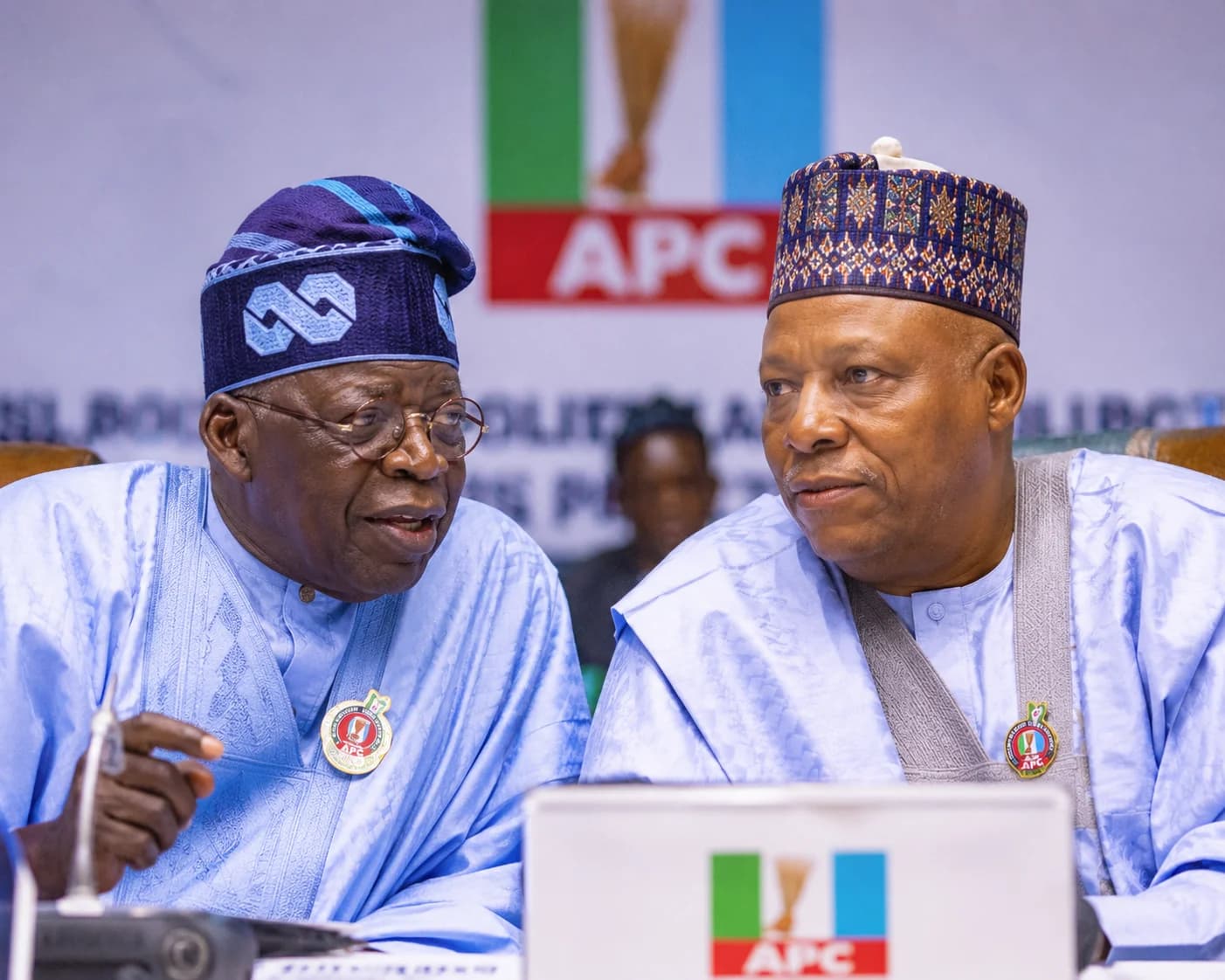
APC Ends Months of Speculation, Retains Shettima as Tinubu’s Running Mate for 2027
Politics
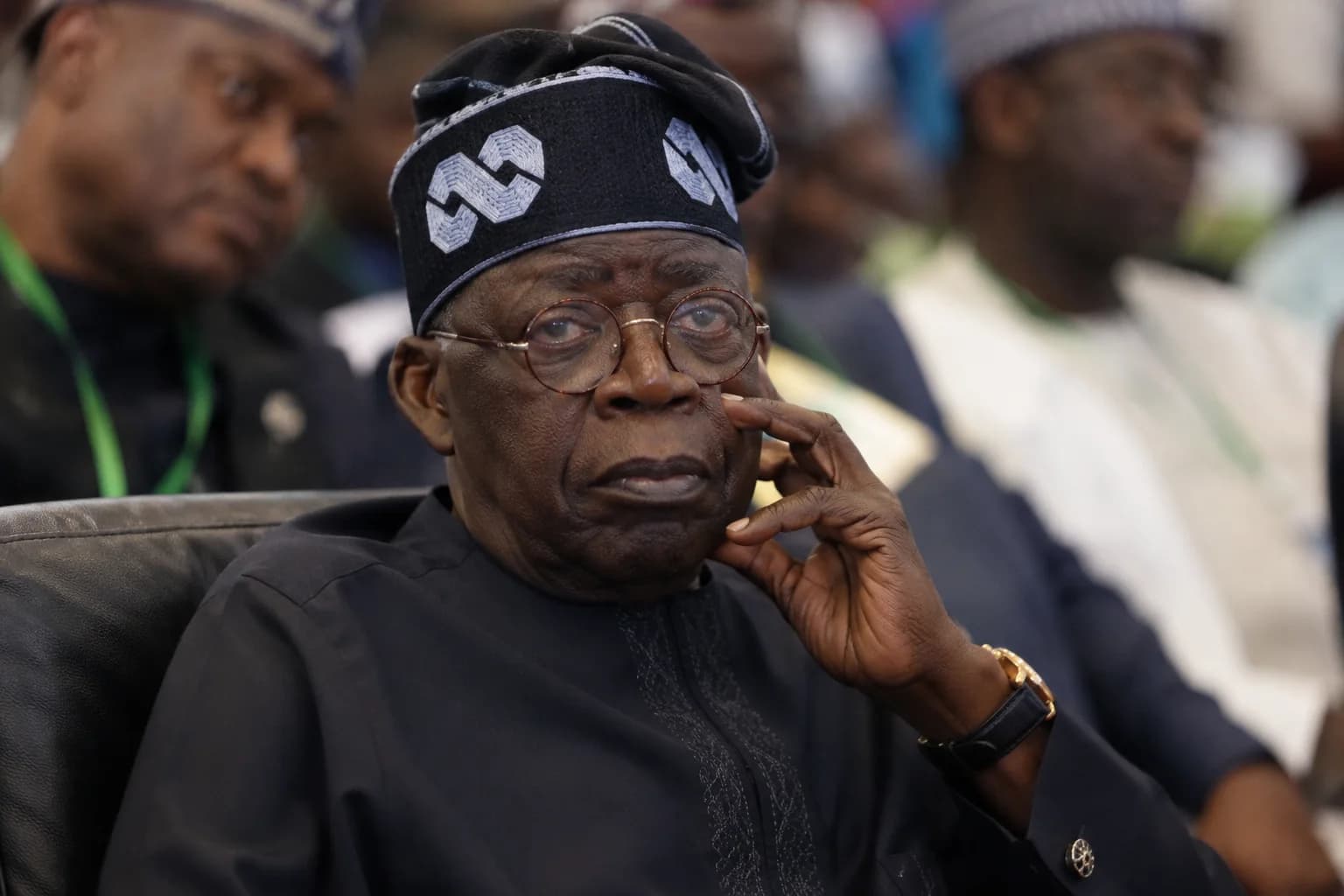
Nigeria’s ₦1.3 Billion “Ghost Agency” Scandal: How Did a Purported Fake Council Enter the Federal Budget?
Politics
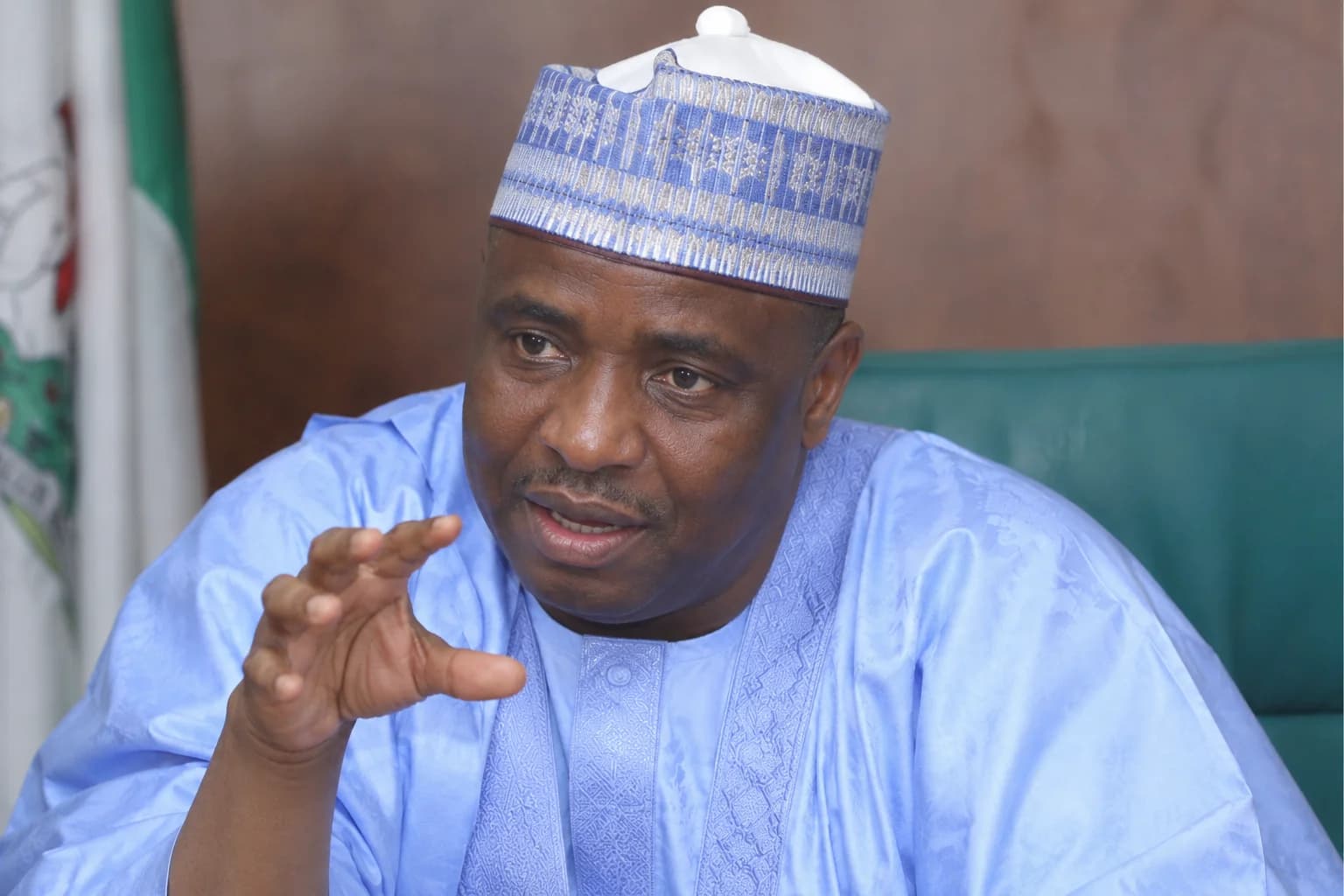
“Nigeria Cannot Continue Like This”: Tambuwal Calls for United Front to Vote Tinubu Out in 2027

Politics
“I Might Not Be Alive Soon”: Peter Obi Alleges Threat to His Life Amid Rising 2027 Political Tension
Stay Informed
Get the biggest stories from Nigeria, Africa and around the world.
Free news updates. Unsubscribe anytime.
By subscribing, you agree to receive free news updates from Talk Ya True. You can unsubscribe at any time.