World
Middle East on Edge: Why the World Is Watching the Next Move Between the U.S. and Iran
Fresh tensions between the United States and Iran have once again placed the Middle East at the centre of global attention, raising fears of a wider regional conflict. As world leaders call for restraint, investors are watching oil markets closely, governments are reviewing security measures and countries like Nigeria are weighing the economic consequences of another geopolitical crisis.
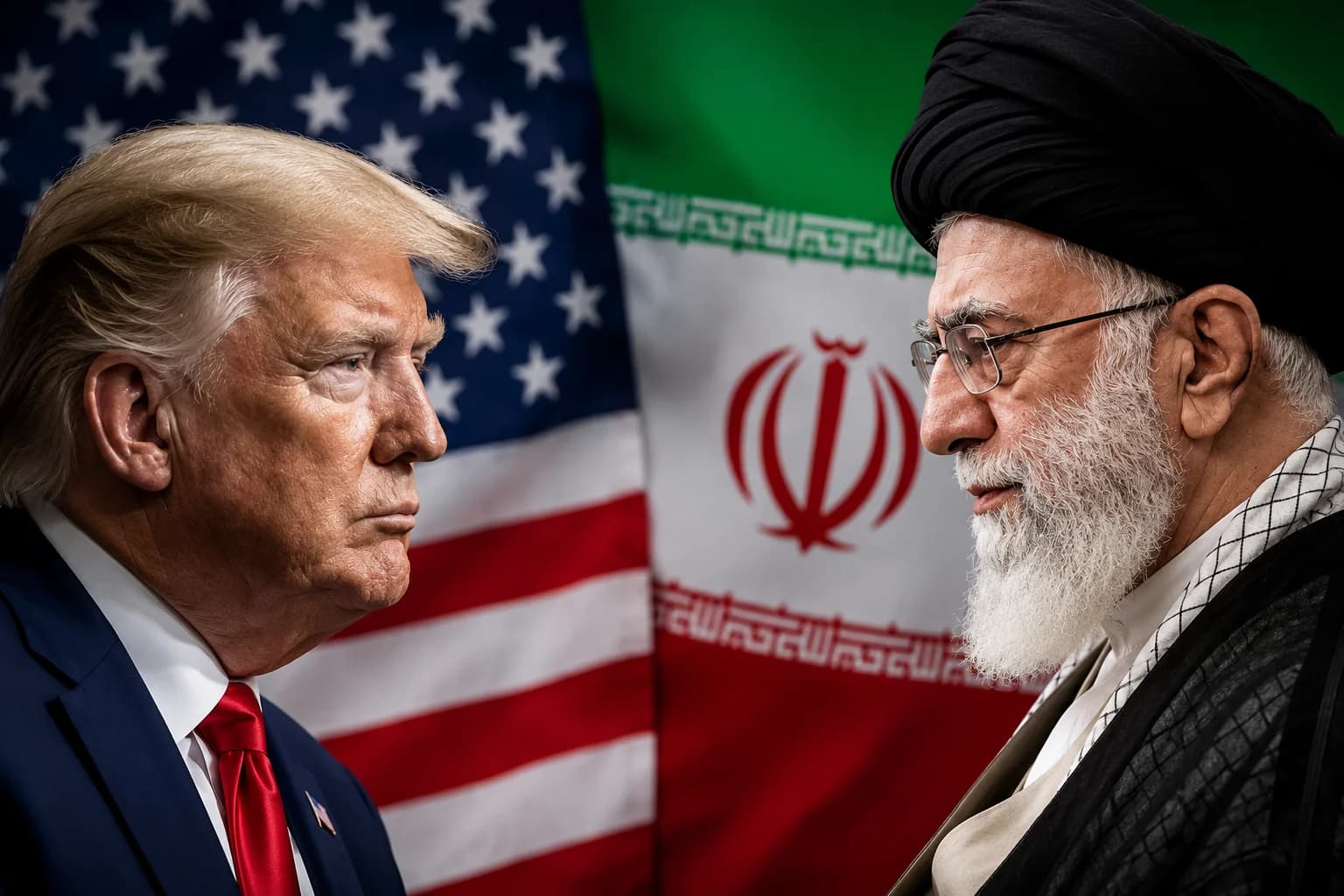
Thousands of kilometres away from Nigeria, events unfolding in the Middle East could soon affect the price Nigerians pay for fuel.
The cost of food.
Government revenue.
Air travel.
And even the value of the naira.
That is why the latest tensions between the United States and Iran are not just another international story.
They are a global story.
Whenever relations between Washington and Tehran deteriorate, the effects are rarely confined to the Middle East.
Financial markets react.
Oil prices fluctuate.
Governments review security policies.
Businesses prepare for uncertainty.
The world watches.
And this week, it is watching once again.
Why the Middle East Matters to the World
The Middle East remains one of the world's most strategically important regions.
It is home to some of the largest oil and natural gas reserves on Earth.
A significant portion of the world's energy supply passes through the Strait of Hormuz, one of the busiest maritime routes in global trade.
Any escalation involving Iran immediately raises concerns about the safety of shipping routes and the stability of global energy markets.
That is why every statement from Washington or Tehran is followed closely by investors and governments alike.
Diplomacy Under Pressure
Following the latest escalation, diplomatic efforts have intensified.
World leaders, the United Nations and regional powers have urged both sides to avoid further military confrontation.
Their concern is simple.
A larger conflict would not remain local.
It could spread across the region, disrupt global trade and create humanitarian consequences far beyond the countries directly involved.
History has shown that prolonged instability in the Middle East often has worldwide economic and political consequences.
Oil Prices React First
Whenever geopolitical tensions rise in major oil-producing regions, energy markets usually respond immediately.
Investors worry about supply disruptions.
Traders adjust prices.
Governments begin assessing potential economic impacts.
For oil-producing countries like Nigeria, higher crude prices can increase export earnings and government revenue.
But there is another side to the story.
Higher global oil prices often translate into increased transport costs, more expensive imports and additional inflation for consumers.
What benefits government revenue may also place greater pressure on households.
What It Means for Nigeria
Nigeria has every reason to monitor developments closely.
Although the country exports crude oil, it also imports refined petroleum products and remains connected to international energy markets.
Changes in global oil prices affect:
Government income.
Foreign exchange earnings.
Inflation.
Transportation costs.
Manufacturing expenses.
Investment decisions.
In other words, events in the Middle East can eventually be felt in markets from Lagos to Kano.
Businesses Prefer Stability
Global businesses generally thrive in predictable environments.
Conflict creates uncertainty.
Uncertainty delays investment.
Companies become more cautious.
Financial markets become more volatile.
International trade slows.
That is why many multinational companies and financial institutions continue calling for diplomatic solutions rather than military escalation.
The Human Cost
Beyond economics lies an even greater concern.
Every military confrontation carries human consequences.
Families are displaced.
Communities are disrupted.
Lives are lost.
Infrastructure is destroyed.
While headlines often focus on governments and military strategy, ordinary civilians usually bear the greatest burden during prolonged conflicts.
That reality is why international organisations continue urging dialogue over confrontation.
The World Wants De-escalation
Despite rising tensions, many analysts believe there remains strong international pressure to prevent a broader regional war.
Major powers recognise that another large-scale conflict would create significant political, humanitarian and economic challenges.
Diplomatic channels therefore remain active.
Whether they succeed may determine the direction of global markets in the coming weeks.
Nigeria Must Watch Carefully
For Nigerian policymakers, developments in the Middle East are more than foreign affairs.
They are economic indicators.
A sustained rise in oil prices could increase government revenues at a time when Nigeria is seeking stronger economic growth.
At the same time, higher energy costs could worsen inflation and increase the cost of living.
Balancing those competing realities will require careful planning.
A Crisis With Global Consequences
Today's interconnected world means that no major geopolitical crisis remains isolated for long.
A decision made in Washington.
A response from Tehran.
A disruption in the Gulf.
Within hours, markets react across Europe, Asia and Africa.
Nigeria is no exception.
The coming days will be critical.
If diplomacy prevails, markets may stabilise and fears of wider conflict could ease.
If tensions continue to escalate, the consequences will extend far beyond the Middle East.
For now, governments, investors and millions of ordinary people are waiting.
Waiting to see whether diplomacy can once again succeed where conflict threatens to take over.
EDITORIAL TEAM
About Talk Ya True Editorial Team
The Talk Ya True Editorial Team is an independent newsroom committed to factual reporting, responsible journalism and thoughtful analysis across Africa and around the world.
Related Articles

World
France to Honour Nice Terror Attack Victims Before World Cup Semi-Final Against Spain
World
Former Qatar Ruler Sheikh Hamad Dies at 74, Leaving Behind a Nation He Transformed
World
China Deepens African Footprint as Namibia Secures Major Mining, Energy and Infrastructure Deals
World
China and North Korea Close Ranks as Xi Calls for “Strategic Resolve” in an Increasingly Divided World
Stay Informed
Get the biggest stories from Nigeria, Africa and around the world.
Free news updates. Unsubscribe anytime.
By subscribing, you agree to receive free news updates from Talk Ya True. You can unsubscribe at any time.