Business
Nigeria's Crude Oil Production Hits Highest Level Since 2020, Surpasses OPEC Target
Nigeria's crude oil production has reached its highest level in more than five years, marking a significant milestone for Africa's largest oil producer. According to the Nigerian Upstream Petroleum Regulatory Commission (NUPRC), the country produced an average of 1.56 million barrels per day in June 2026, exceeding its OPEC production quota for the first time in years. The achievement has raised hopes of stronger government revenues, increased foreign exchange earnings and renewed investor confidence, although experts warn that sustaining the momentum will require continued improvements in security and infrastructure.
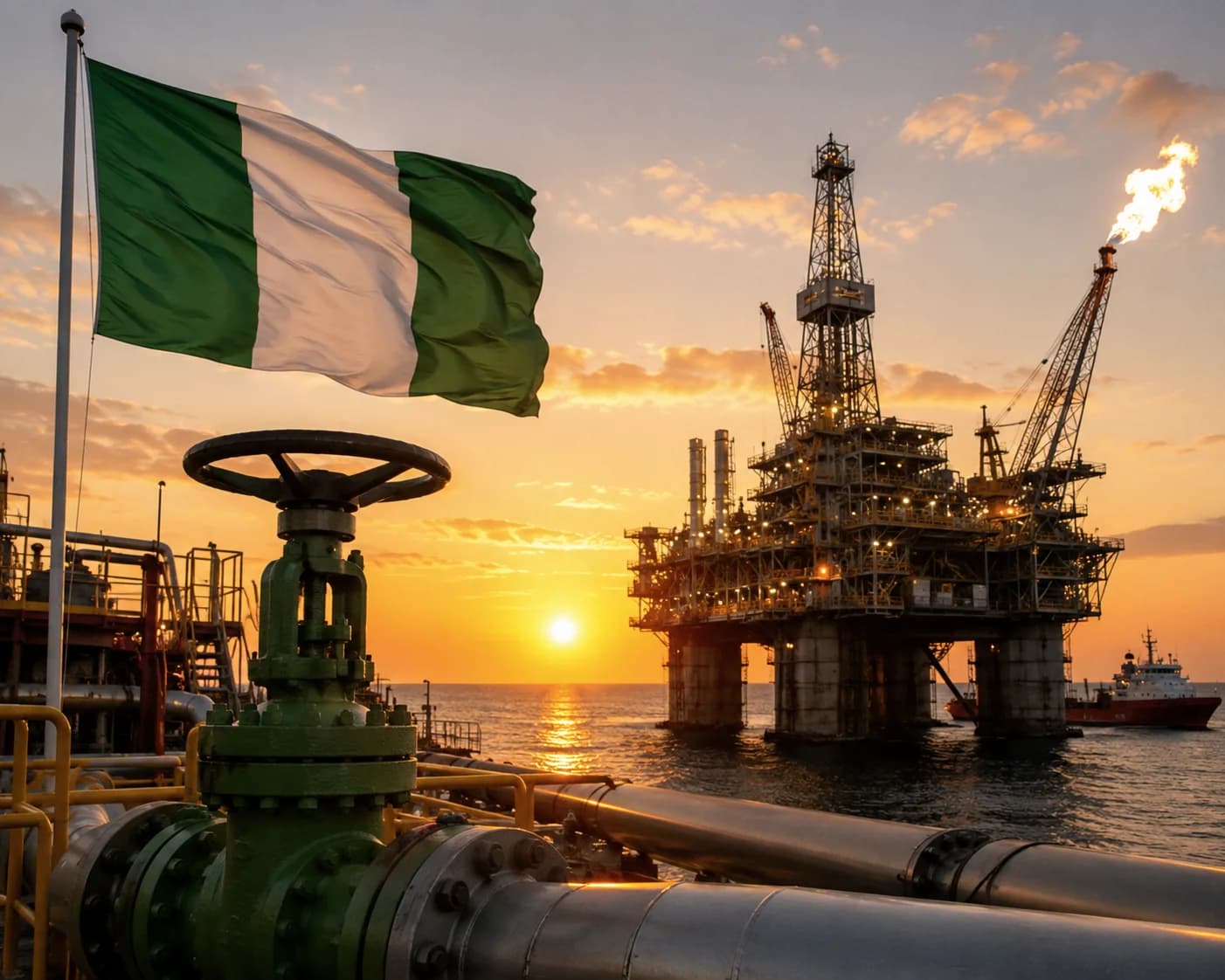
For years, Nigeria's oil industry has been associated with one disappointing headline after another.
Production shortfalls.
Pipeline vandalism.
Oil theft.
Declining investment.
Missed OPEC targets.
But this week, the story changed.
Nigeria has recorded its highest crude oil production since 2020, producing an average of 1.56 million barrels of crude oil per day in June, according to figures released by the Nigerian Upstream Petroleum Regulatory Commission (NUPRC). The output also exceeded Nigeria's OPEC production quota of approximately 1.5 million barrels per day, an achievement the country has struggled to reach in recent years. (Reuters)
For the government, the figures represent more than just statistics.
They signal progress in one of Nigeria's most important economic sectors.
Why This Matters
Oil remains the backbone of Nigeria's economy.
Despite efforts to diversify into agriculture, technology and manufacturing, crude oil continues to generate the bulk of the country's export earnings and a significant share of government revenue.
When production rises, the effects can be felt across the economy.
More oil exports can mean:
Higher government income.
Increased foreign exchange earnings.
Improved investor confidence.
Greater fiscal stability.
More resources for infrastructure and public services.
Although higher production alone will not solve Nigeria's economic challenges, it provides the government with greater financial flexibility.
What Changed?
According to industry officials, several factors contributed to the improvement.
Security around key oil-producing areas has strengthened.
Pipeline reliability has improved.
Maintenance work on important facilities has been completed.
Government agencies and operators have also intensified efforts to combat crude oil theft and pipeline vandalism—two problems that have cost Nigeria billions of dollars over the past decade. (Reuters)
These improvements have allowed more crude oil to reach export terminals instead of being lost through disruptions or illegal activities.
Exceeding OPEC's Target Is Symbolic
For several years, Nigeria consistently produced below its OPEC allocation.
Production challenges often prevented the country from taking full advantage of its quota.
That has now changed.
Exceeding the production target sends an important signal to international energy markets.
It suggests Nigeria is gradually restoring confidence in its upstream petroleum sector.
For foreign investors considering long-term projects, consistent production is often just as important as the size of a country's oil reserves.
More Dollars Could Strengthen the Economy
Nigeria depends heavily on oil exports to earn foreign currency.
Higher export volumes can improve dollar inflows into the economy.
That could help stabilise the naira, support external reserves and reduce pressure on foreign exchange markets.
A stronger foreign exchange position also makes it easier for businesses to import machinery, raw materials and industrial equipment.
While many factors influence the value of the naira, stronger oil earnings remain one of the country's most important economic advantages.
Investors Are Watching Closely
International energy companies pay close attention to production trends.
Stable output demonstrates that infrastructure is functioning and operational risks are being managed.
That confidence can encourage further investment in exploration, drilling and production.
Nigeria still possesses some of Africa's largest proven crude oil reserves.
The challenge has never been the availability of oil.
It has been producing it consistently and efficiently.
Recent improvements suggest progress is being made.
Challenges Have Not Disappeared
Despite the encouraging figures, significant obstacles remain.
Oil theft continues to affect parts of the Niger Delta.
Pipeline vandalism has not been completely eliminated.
Some production facilities still require major investment.
Global oil prices also remain vulnerable to geopolitical tensions and fluctuations in demand.
Industry analysts therefore caution against assuming that one strong month automatically guarantees long-term success.
Consistency will be the real test.
Beyond Oil
The latest production milestone is undoubtedly positive.
But many economists continue to argue that Nigeria should avoid becoming overly dependent on crude oil again.
Global energy markets are changing.
Countries are investing more heavily in renewable energy.
Electric vehicles are becoming increasingly common.
The long-term future of fossil fuels is evolving.
Higher oil production provides an opportunity.
It should also provide motivation to accelerate economic diversification.
Using today's oil revenues to build tomorrow's non-oil economy could become one of Nigeria's smartest long-term strategies.
What This Means for Ordinary Nigerians
Many citizens will naturally ask a simple question.
Will higher oil production improve our daily lives?
That depends on how additional revenue is managed.
If increased earnings are invested wisely in roads, electricity, healthcare, education and job creation, more Nigerians could benefit.
If stronger production improves foreign exchange availability, businesses may also experience greater stability.
However, history has shown that higher oil revenues do not automatically translate into lower living costs.
Good governance remains just as important as higher production.
A Welcome Milestone
Nigeria's latest production figures offer genuine reason for optimism.
Producing more crude oil.
Meeting—and exceeding—OPEC expectations.
Restoring investor confidence.
Improving export capacity.
These are achievements worth recognising.
But they should be viewed as the beginning of a larger journey rather than the destination.
The country's long-term prosperity will depend not only on producing more oil, but on using the wealth generated to strengthen every other sector of the economy.
For now, Nigeria's oil industry has delivered something it has not produced for quite some time.
A headline that signals progress.
EDITORIAL TEAM
About Talk Ya True Editorial Team
The Talk Ya True Editorial Team is an independent newsroom committed to factual reporting, responsible journalism and thoughtful analysis across Africa and around the world.
Related Articles
Business
Nigeria’s Manufacturing and Agriculture Show Signs of Recovery Despite Economic Pressures
Business
Tariffs, Iran War and AI Boom Drive Fresh Inflation Fears as Global Prices Keep Rising
Business
From Nigeria’s Biggest Gamble to Global Energy Powerhouse: How the Iran War Changed Dangote Refinery’s Fortunes
Business
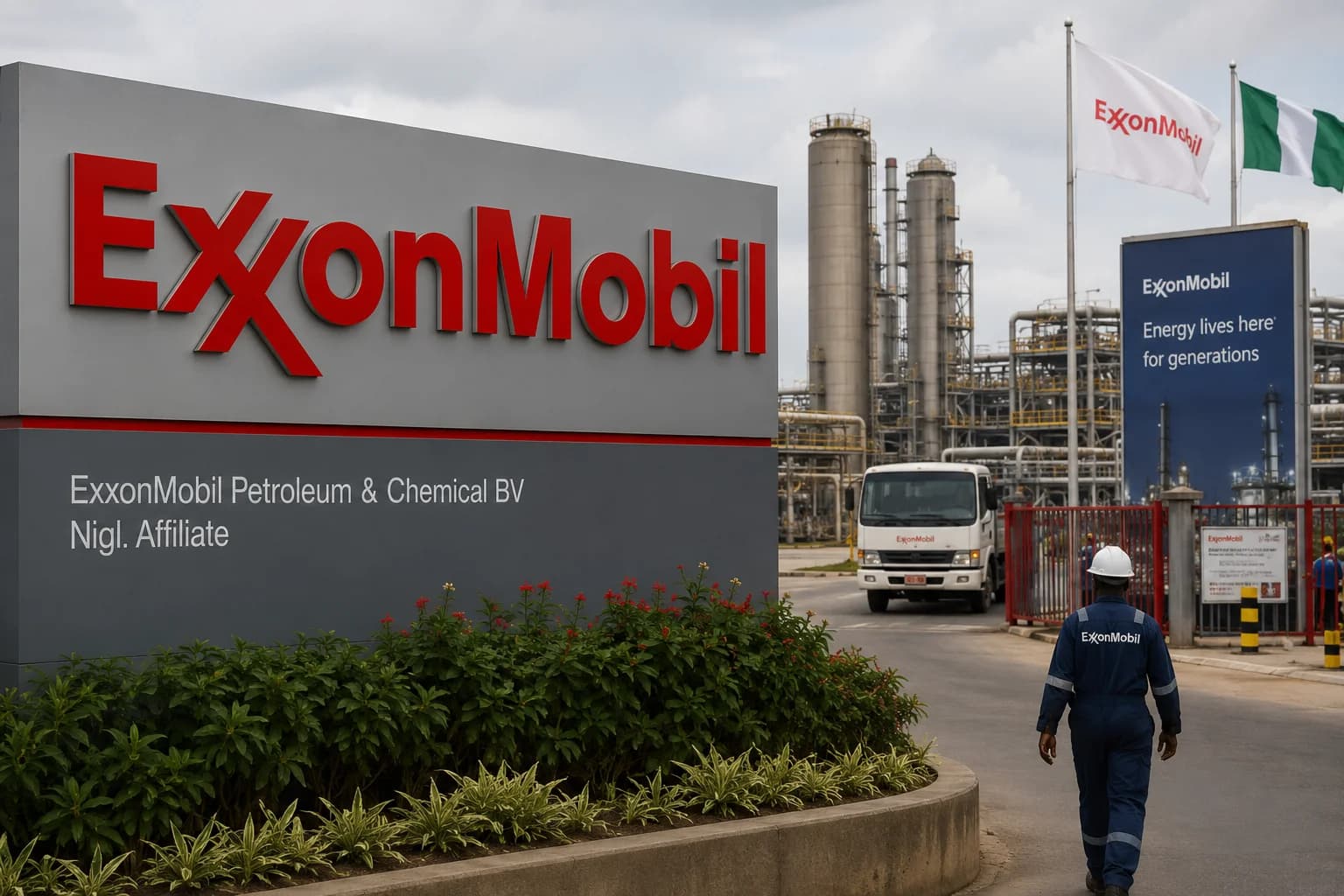
ExxonMobil’s $1 Billion Nigeria Bet: Is Big Oil Confidence Finally Returning?
Stay Informed
Get the biggest stories from Nigeria, Africa and around the world.
Free news updates. Unsubscribe anytime.
By subscribing, you agree to receive free news updates from Talk Ya True. You can unsubscribe at any time.