Politics
Fresh ₦54bn Allegation Deepens Presidency Funding Controversy as New Documents Raise Questions
A fresh controversy has erupted around the Presidency after an investigative report alleged that a 2023 memo signed by President Bola Tinubu's Chief of Staff, Femi Gbajabiamila, led to the ring-fencing of ₦54 billion from the Nigerian Upstream Petroleum Regulatory Commission (NUPRC) using a legal provision that the report says did not authorize the action. The Presidency has strongly denied any wrongdoing, insisting the directive was lawful and properly approved.
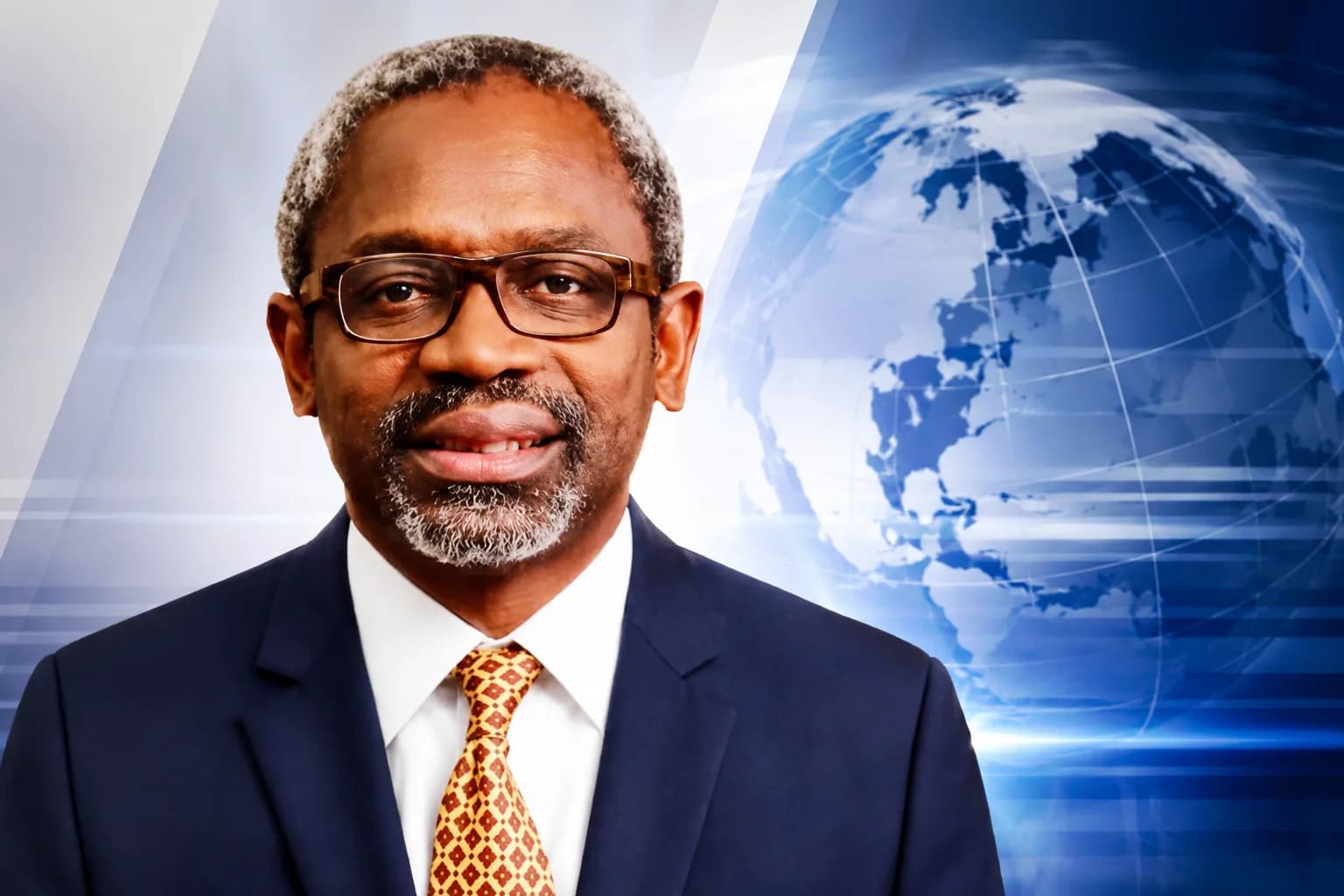
Just days after Nigerians were stunned by revelations surrounding the alleged Presidential Foreign Intervention Promotion Council (PFIPC)—a fictitious agency that reportedly found its way into the federal budget—a fresh allegation has placed the Presidency under even greater scrutiny.
This time, the controversy is not about ₦1.3 billion.
It is about ₦54 billion.
An investigative report published by Peoples Gazette alleges that a confidential 2023 presidential memo approved the ring-fencing of ₦54 billion from the Nigerian Upstream Petroleum Regulatory Commission (NUPRC), relying on a provision of the Petroleum Industry Act (PIA) that the newspaper says does not grant such authority.
The Presidency has rejected the allegations, maintaining that the approval was lawful and that no public funds were misappropriated.
What the Report Alleges
According to the published documents, shortly after President Bola Tinubu assumed office in 2023, Chief of Staff Femi Gbajabiamila reportedly wrote a memo proposing that the NUPRC's "cost of collection" be divided into two parts.
The memo proposed:
2.5% for the commission's operations and routine capital expenditure.
1.5%, estimated at ₦54 billion, to be set aside for what the memo described as the "upgrading of crude oil and gas metering and transparency systems."
The report alleges that the memo cited Section 24(2)(c) of the Petroleum Industry Act as the legal basis for the arrangement.
However, the newspaper argues that this section of the law does not authorize the Presidency to direct or appropriate those funds in the manner described. It further contends that expenditures from the commission should be subject to the legal framework established under the Petroleum Industry Act and the normal budgetary process.
These are allegations contained in the investigative report and have not been established by a court or an official inquiry.
Presidency Rejects the Claims
The Presidency has pushed back against the allegations.
Presidential spokesman Bayo Onanuga said the reports do not prove corruption or wrongdoing.
According to the Presidency, Gbajabiamila acted in line with directives from President Tinubu and did not unlawfully divert or "corner" public funds. Officials insist the process was legitimate and accuse critics of drawing conclusions before all the facts are known.
At the time of publication, there has been no court ruling or official investigative finding confirming the allegations.
Why This Matters
Whether the allegations are ultimately proven or disproven, the issue has become politically significant.
The controversy centres on three important questions:
Was the cited legal provision correctly interpreted?
Were all statutory procedures followed before the funds were set aside?
Should an independent investigation examine the decision-making process?
Those questions are likely to fuel debate in the coming days.
The Shadow of the PFIPC Scandal
The timing of the report has amplified public interest.
The Tinubu administration is already dealing with questions surrounding the PFIPC, the alleged fake federal agency that reportedly secured office space in the Federal Secretariat and received a ₦1.3 billion budget allocation before the matter was uncovered. The House of Representatives has begun examining that affair, while the Presidency has ordered investigations into how the fictitious body operated.
The emergence of another funding-related allegation has inevitably led some observers to ask whether there are wider weaknesses in oversight and financial controls.
Calls for Transparency
Opposition figures and civil society groups have repeatedly argued that public confidence depends on transparent investigations into controversies involving public funds.
Supporters of the government, however, caution against treating media allegations as established facts before independent investigations or court proceedings have taken place.
That distinction is important.
Investigative journalism can raise serious questions.
But those questions ultimately require evidence to be tested through official processes.
What Happens Next?
As of now, there has been no announcement of a formal criminal investigation specifically into the ₦54 billion allegation.
The Presidency continues to deny wrongdoing.
The documents published by Peoples Gazette are now likely to attract close scrutiny from lawmakers, legal experts and anti-corruption advocates.
Whether the issue develops into a parliamentary inquiry, an audit or another official review remains to be seen.
More Than a Political Story
Beyond politics, the controversy touches on something every Nigerian has a stake in:
How public money is managed.
Every naira generated from oil belongs ultimately to the Nigerian people.
Questions about how those funds are allocated—and whether legal procedures are followed—are matters of public interest regardless of political affiliation.
The latest allegations have not yet been proven.
The government's denials remain on record.
But one thing is already clear.
The debate over transparency, accountability and the management of Nigeria's public finances is far from over.
EDITORIAL TEAM
About Talk Ya True Editorial Team
The Talk Ya True Editorial Team is an independent newsroom committed to factual reporting, responsible journalism and thoughtful analysis across Africa and around the world.
Related Articles
Politics
Makinde Calls for Unity and Hard Work as Oyo Nears End of His Second Term
Politics
Former Minister Uche Nnaji Faces Court Over Alleged Certificate Forgery
Politics
APC Ends Months of Speculation, Retains Shettima as Tinubu’s Running Mate for 2027
Politics
Nigeria’s ₦1.3 Billion “Ghost Agency” Scandal: How Did a Purported Fake Council Enter the Federal Budget?
Stay Informed
Get the biggest stories from Nigeria, Africa and around the world.
Free news updates. Unsubscribe anytime.
By subscribing, you agree to receive free news updates from Talk Ya True. You can unsubscribe at any time.